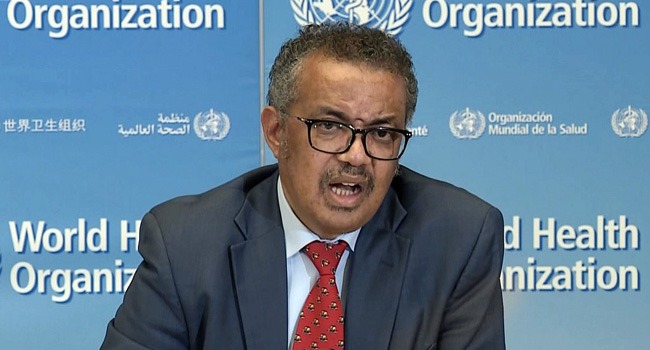
World Health Organisation (WHO) Director-General Dr. Tedros Adhanom Ghebreyesus declared on Monday, November 2, 2026, that deadly disease outbreaks, most notably the ongoing Ebola epidemic in the Democratic Republic of the Congo (DRC), serve as a stark reminder of the urgent need to finalize a binding international pandemic treaty.
Addressing delegates and health officials during a formal WHO briefing at the agency’s headquarters in Geneva, Dr. Tedros emphasized that single-nation responses remain insufficient against global health threats.
”A pathogen threat anywhere can become a threat everywhere, to people of every country,” Dr. Tedros stated, according to an official written statement released Monday. “The outbreak of hantavirus earlier this year, and the ongoing Ebola epidemic in DRC remind us of this threat.”
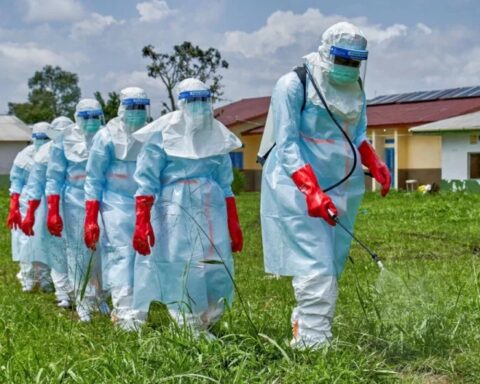
The latest Ebola epidemic, which was officially declared in May 2026 in the DRC, has claimed nearly 5,000 lives out of more than 10,000 confirmed and suspected cases.
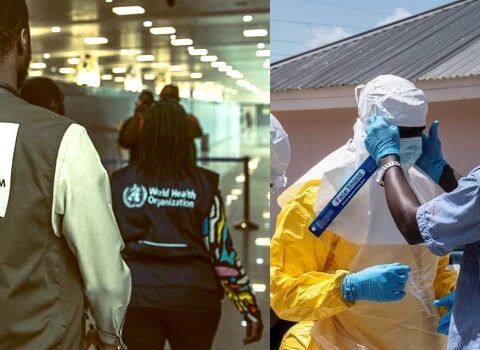
Driven primarily by the Bundibugyo strain of the virus, the outbreak has strained healthcare infrastructure in the region, prompting the WHO and the Africa Centres for Disease Control and Prevention (Africa CDC) to roll out targeted vaccination campaigns and field response teams.
In addition to the Ebola crisis, Dr. Tedros pointed to an earlier hantavirus outbreak aboard a cruise ship in April 2026 that resulted in three fatalities, illustrating how quickly infectious agents can emerge in unexpected settings.
While WHO Member States agreed in May 2025 on the overarching structure of a historic Pandemic Agreement, negotiators left unresolved critical operational frameworks, specifically the Pathogen Access and Benefit-Sharing (PABS) system.
The PABS system is designed to govern how countries share biological data and samples of potential pandemic threats while ensuring developing nations receive equitable access to resulting countermeasures, including vaccines, diagnostics, and therapeutics. Disagreements between high-income pharmaceutical producers and low-to-middle-income nations have delayed finalization.
Dr. Tedros reiterated that the fundamental lesson of recent global health emergencies must not be ignored: no country can effectively shield its population from a pandemic in isolation. Negotiations surrounding the treaty’s execution terms are scheduled to continue in Geneva as member countries work toward resolving open disputes.