By Oluwasore Alabi
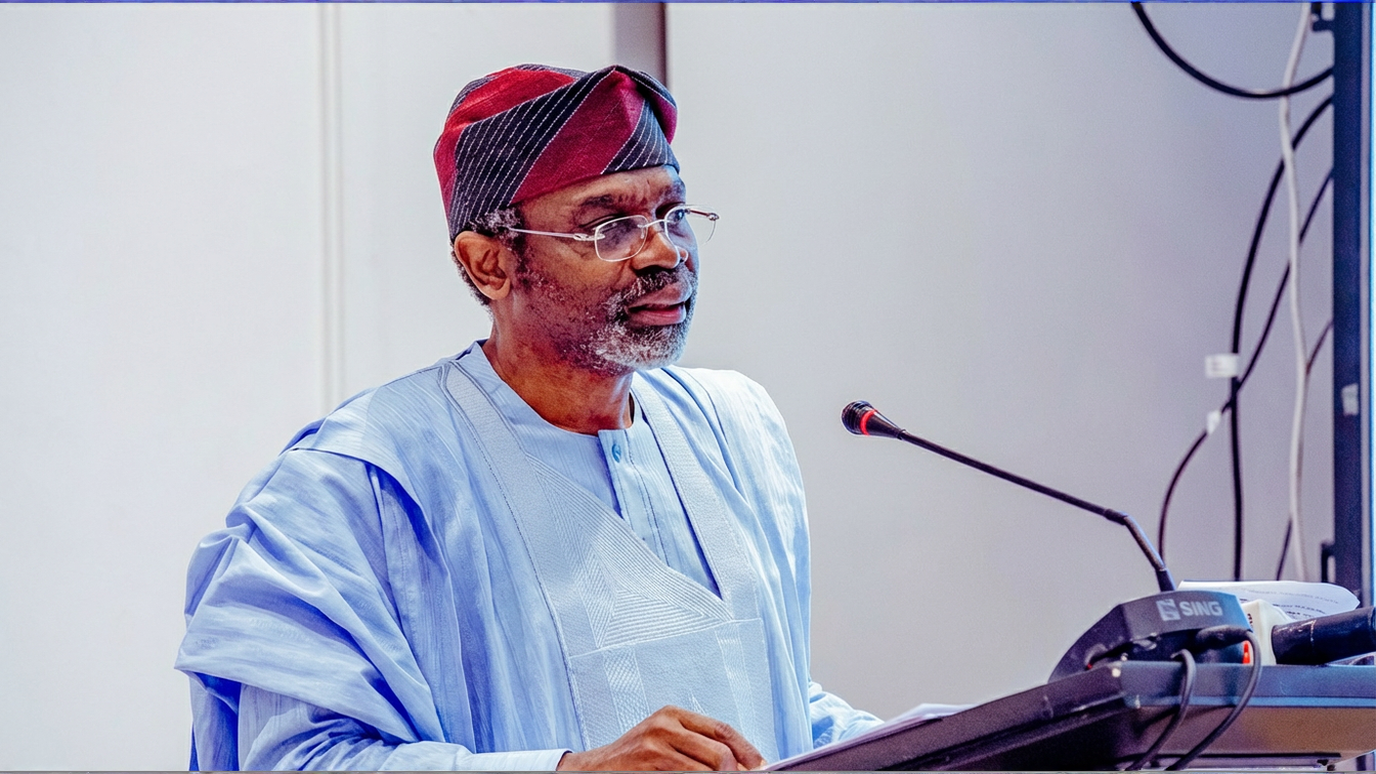
Nigeria’s long argument over who should police the country has reached a practical question: who will pay for it? On Tuesday, the Presidency put that question to the private sector. Speaking to the Nigerian Economic Summit Group, the President’s Chief of Staff, Femi Gbajabiamila, urged businesses to help carry the cost of state police, saying its success would shape the future of the very companies in the room.
He asked the group to prepare a position paper on how state police should be financed and run, with “accountable partnerships” at its centre, and to take that engagement to the National Assembly and to state governments. He said private companies could help in areas such as communications systems and equipment maintenance, and could help states plan costs across the life of a police service.
They could also lend expertise in institutional management, expenditure control and risk assessment, he said. But the arrangement, he stressed, must be transparent and must not weaken the independence of the police. The warning that followed was as important as the appeal. Gbajabiamila told states that establishing a police service takes more than buying vehicles, uniforms and equipment.
A state, he said, must show it can fund the force over the long term. Without reliable funding, police institutions could fall under private influence, and citizens could face unlawful demands. For states that are not ready, he said, the existing federal police structure will remain available to them.
The money question comes as the political one nears an answer. The Constitution (Sixth Alteration) Bill, 2026 would create a dual system, with a Federal Police Service operating alongside state police services. The constitution requires the endorsement of 24 state assemblies, two-thirds of the 36, and the count passed that mark weeks ago.
It has since climbed. Borno and Ondo took the tally to 26, and the latest reports put it at 30. The newest endorsements came this week. Sokoto’s House of Assembly passed the bill unanimously on Tuesday in a plenary led by Speaker Tukur Bodinga. Lagos lawmakers backed the proposal but attached a condition, asking for a clear division of powers between federal and state police.
Kogi, Ebonyi, Jigawa and Kano have also come out in support. In Ondo, the assembly’s approval was subject to an amendment to Section 317A. Endorsement is not the same as a functioning police service, and the sceptics have not gone quiet. Rights groups and analysts have raised concerns about abuses and about governors using local forces against political opponents, and the Presidency’s own warning about private interests touches the same nerve.
Meanwhile, the Presidency has sent the National Policing Bill and 29 other amendment bills to the National Assembly for review, so the legal framework is still being written. For the many Nigerians who live with banditry, kidnapping and attacks on farms, the debate is not abstract. They want officers who know their communities and answer to them.
What they will get depends on a set of decisions that has hardly begun: how much each state can afford, who will supervise the officers, and who will stop a governor from turning a local police force into a political tool. The votes are largely in. The harder work of paying for, regulating and trusting a new police system is what comes next.