Nigeria is confronting an escalating dual crisis of widespread child malnutrition and severe climate vulnerability that will require an estimated $337 billion in funding over the next decade to avert catastrophe.
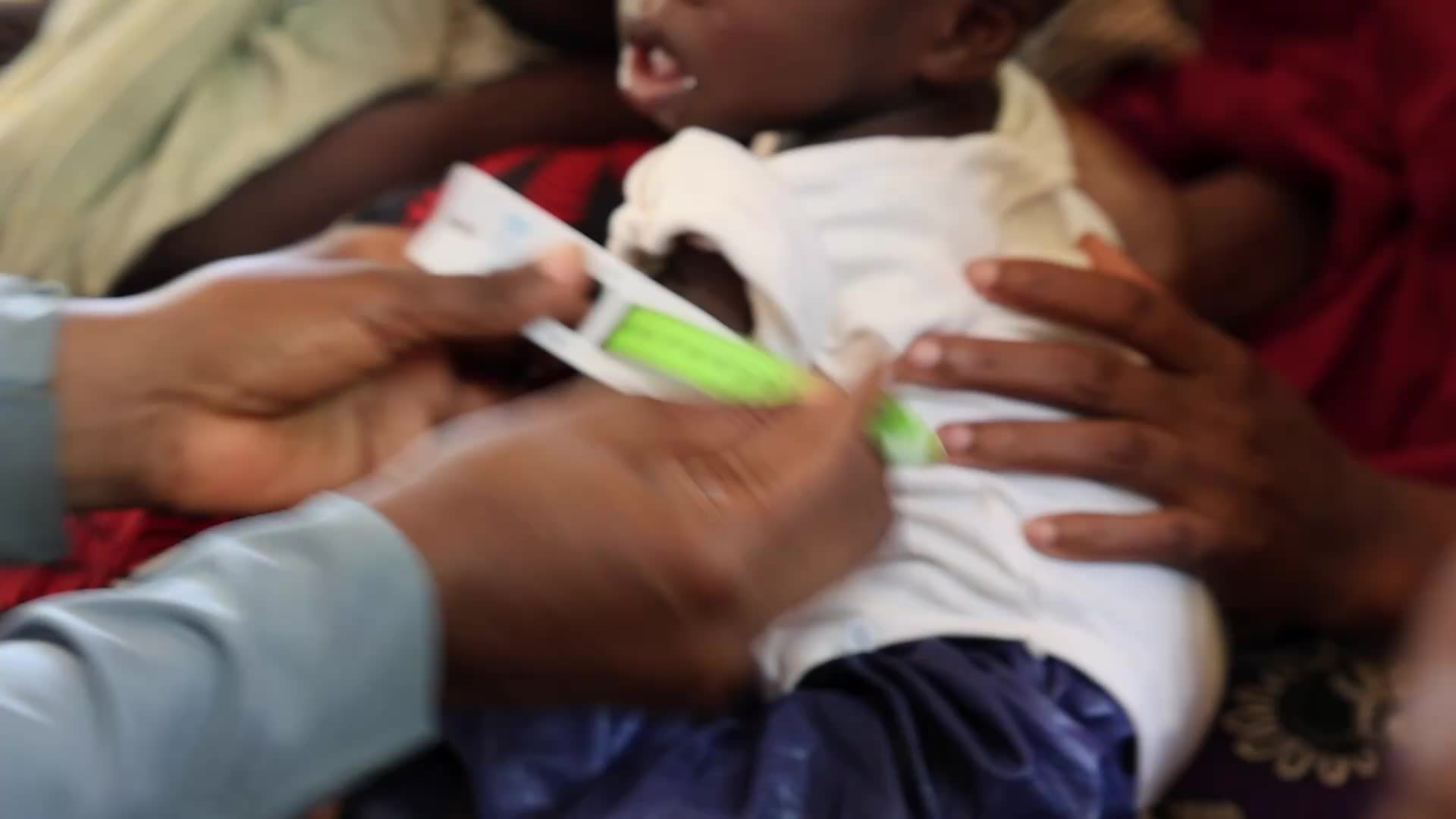
Speaking during joint briefings held in Abuja on Tuesday, October 27, 2026, government officials and international humanitarian leaders warned that an estimated 6.4 million children under five across the North-East, North-West, and North-Central regions are currently suffering from acute malnutrition and require immediate life-saving intervention.
At the same time, federal authorities revealed that the country urgently needs $337 billion between 2026 and 2035 to execute its updated Nationally Determined Contributions, build environmental resilience, and safeguard national food security.
During an advocacy engagement at the State House, Coordinating Minister of Health and Social Welfare, Prof. Muhammad Ali Pate, presented the stark nutrition data to First Lady Oluremi Tinubu. Prof. Pate emphasized that the administration is working tirelessly to scale down the alarming figure of 6.4 million affected children while expanding essential health services for pregnant and lactating mothers.
He noted that through strategic partnerships with international initiatives, such as the U.S.-backed Operation End Starvation project and the Eleanor Crook Foundation, the government intends to channel targeted funding directly into the most vulnerable communities over the next two years.
Later in the morning at the Transcorp Hilton Hotel, senior figures gathered for a high-level summit on climate finance hosted by the National Council on Climate Change. Director-General of the council, Dr. Nkiruka Maduekwe, underscored the heavy economic burden facing the nation, explaining that climate change has evolved from a purely environmental challenge into a direct driver of agricultural failure, mass displacement, and chronic hunger.
Dr. Maduekwe cautioned that without substantial international aid, active carbon markets, and private green investment, Nigeria cannot fulfill its pledge to expand renewable energy, restore degraded land in the Sahel, or stabilise its fragile food systems. In response to the converging threats, the Federal Government is establishing an inter-ministerial task force to integrate climate adaptation with emergency nutritional relief.
Under this new strategy, authorities are immediate deploying Ready-to-Use Therapeutic Food supplies to high-risk local government areas across Sokoto, Kebbi, Katsina, Borno, and Yobe states. Additionally, Nigeria is positioning itself as a primary recipient of the broader Operation End Starvation campaign, which seeks to mobilize more than $1 billion annually across Sub-Saharan Africa.
To support these long-term climate commitments, the government is also launching a unified National Carbon Registry aimed at providing transparent tracking to attract international green capital into sustainable agriculture and clean energy infrastructure.