The International Fund for Agricultural Development (IFAD) has reaffirmed its commitment to supporting inclusive, resilient and sustainable rural transformation in Nigeria.
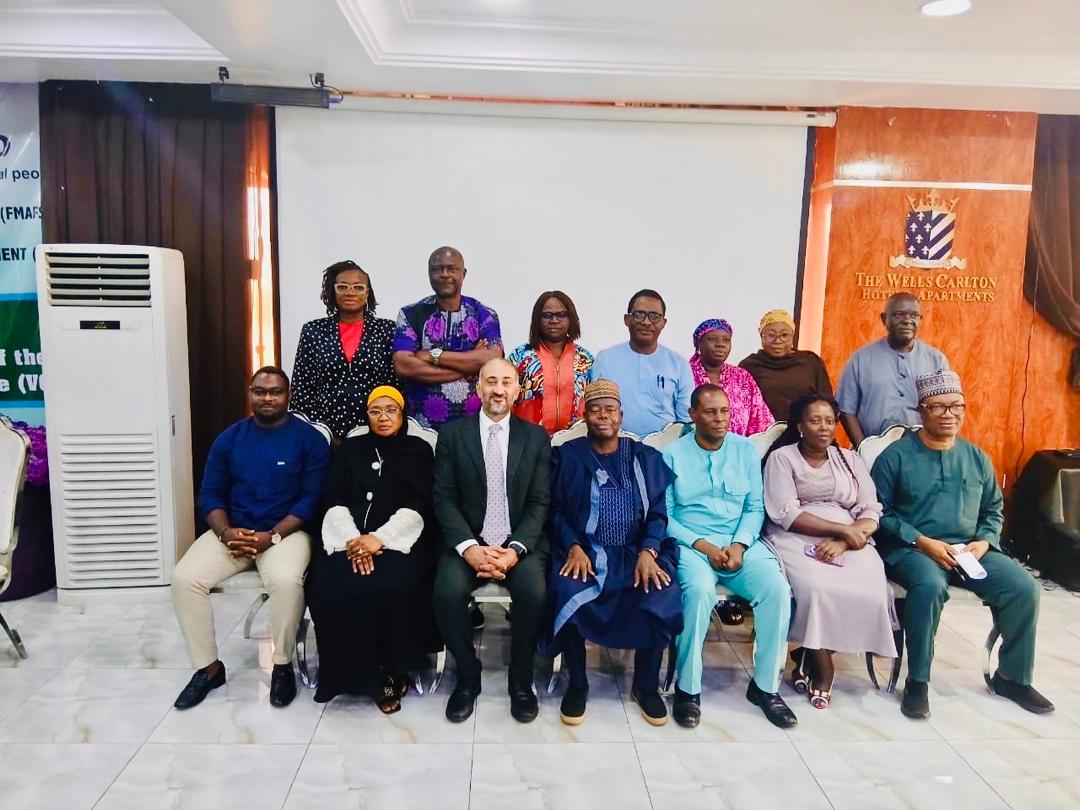
Mr Mohamed El-Ghazaly, IFAD Country Director, gave the assurance at the inception workshop of the 13th Joint Federal Government/IFAD Supervision Mission of the Value Chain Development Programme (VCDP) on Tuesday in Abuja.
VCDP is a joint initiative of the Federal Government and IFAD aimed at improving rural households’ incomes and food security through rice and cassava value chains.
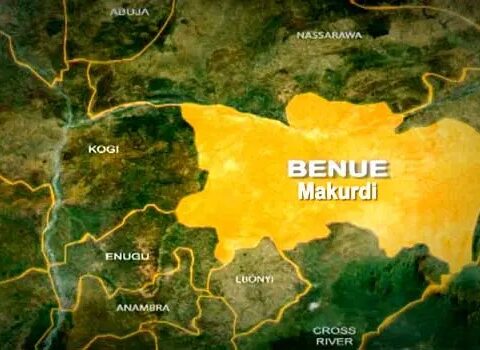
El-Ghazaly said the programme had expanded from six to nine states through two rounds of additional financing, with previous supervision missions recognising its field-level results and relevance to Nigeria’s food security priorities.
He, however, urged stakeholders to focus on sustaining the programme’s achievements as it approached completion.
“Our attention must turn from what VCDP has achieved to what must still be secured,” he said.
He commended the Federal Government, participating state governments and the programme team for their longstanding partnership with IFAD.
The country director said the supervision mission would assess the programme’s results, identify gaps and agree on actions to ensure a sustainable conclusion.
He said the mission would review implementation and financial performance, assess progress against the results framework, follow up on recommendations from the 12th mission and examine exit arrangements.
It would also assess preparedness for financial closure and the programme completion report, he added.
El-Ghazaly identified three priorities for the mission; results for farmers, processors and rural communities; sustainability and local ownership of investments, including infrastructure and farmer organisations; and lessons for future programmes.
He urged participants to assess implementation objectively, document successful approaches and address outstanding challenges using evidence from farmers, communities and implementing teams.
“Where implementation has been successful, let us document the lessons and determine how those gains can be sustained. Where challenges remain, let us be frank about them,” he said.
Earlier, Dr Fatima Aliyu, National Programme Coordinator of FGN/IFAD-VCDP, said sustainability had been integrated into the programme from inception, adding that many beneficiaries had become self-reliant and employers of labour.
Aliyu described the supervision mission as an opportunity for consultants, implementers and funders to assess the programme’s achievements, outstanding activities and implementation challenges.
She said a key priority was to finalise exit strategies and arrangements for transferring programme investments to state governments and beneficiaries.
“We have an exit and implementation strategy, we have an implementation plan, and we hope to hand over a lot of investments to the state governments and specifically beneficiaries,” she said.
Aliyu said the programme’s broad objective was to improve food security and incomes among rural farmers involved in rice and cassava value chains.
She added that some beneficiaries, including persons with disabilities, had established sustainable livelihoods and were employing others.
Expressing confidence in the programme’s long-term impact, Aliyu said beneficiaries and their enterprises would continue operating after its closure.
She said VCDP would maintain collaboration with governments, private-sector organisations and commodity associations to help farmers access future government and international interventions.
According to her, memoranda of understanding signed with financial institutions and other organisations would also support beneficiaries beyond the programme’s lifespan.
“With the support of government and IFAD, our farmers will not suffer because VCDP is closing,” she said.