When the kitchen burns and the eyes smart, it is not grief that we wipe away, but the sting of the knife. Yet they would have us bow in gratitude for a season of onion tears that vanish before the pot even boils.
Anyone who has ever cut an onion knows that tears do not always mean sorrow. Sometimes all it takes is a blade and a few seconds at the kitchen table for your eyes to start watering.
The layers peel back dry and papery, hiding what is coming. But once the steel cuts deep into the core, fumes rise and force tears straight down your face. You are not crying over a broken heart or a family tragedy. You cry because of what you are holding. It is a physical reaction, sulfur compounds released by the cut onion irritating the eyes, with no grief behind the tears.
A government offering Nigerians a N60 discount on petrol for 30 days and expecting national gratitude is playing a similar game. The announcement arrives dressed as compassion, the publicity machine swings into action, and citizens are invited to celebrate. But when the 30 days are over, the hardship that made the discount necessary will still be waiting.
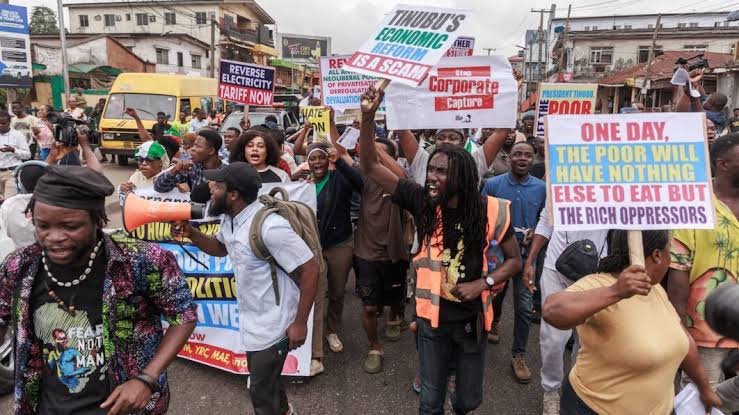
Nigerians have spent months living under fuel subsidy removal, runaway inflation and a daily economy that grinds down ordinary dignity. Real tears have been shed in millions of homes over empty cooking pots, skipped prescription drugs and children pulled out of classrooms when school fees finally outpaced squeezed family incomes.
Those are not tears from a vegetable. They are the bitter, gut-wrenching tears of people trying to keep their lives afloat in an economy that offers no breathing space.
Now the public relations machine goes to work over a temporary reduction at the pump. Headlines announce relief, official statements celebrate the gesture, and citizens are expected to applaud. But a family watching its income disappear into food, transport, electricity and school fees knows better than to mistake a 30-day discount for economic recovery.
There is a world of difference between pulling someone out of a fire and asking them to cheer because the smoke has blown sideways for a minute. You cannot preside over policies that make basic survival unaffordable, drop a brief discount at the filling station and call it compassion. The suffering came first. The discount does not erase it.
The rebate may offer some relief, but the real test is what that relief changes. Does the commercial driver take home more money? Does the passenger pay less? Does the price of transporting yam and tomatoes from farms to urban markets fall? And if any of these savings materialise, how long will they last?
A commercial driver cannot eat a press release. A brief reduction in petrol prices might improve his earnings, provided he can obtain the cheaper fuel without sacrificing the hours he needs to work. Even then, there is no guarantee that the savings will reach the passenger at the bus stop. Transport fares may remain where they are, food prices may refuse to budge, and the promised relief may stop at the filling station.
Day 31 is where the government must answer for its promises. When the discount expires, families will still have school fees to pay, food to buy and bills waiting on the table. Their incomes will not magically recover because a 30-day intervention has run its course. If the price rises again and the pressures on household budgets remain unchanged, what exactly has been solved?
A policy that cannot explain what happens the morning after it expires has offered a temporary reprieve, not a lasting answer. Nigerians have endured too many announcements whose benefits disappear long before the hardship they were meant to address.
Then comes the reality of access. Restricting cheaper petrol to participating NNPC Retail outlets makes the discount a lottery. In towns where those stations are few or non-existent, the mathematics breaks down before the first litre enters a vehicle’s tank.
Picture a town with two or three NNPC stations and hundreds of commercial buses trying to get in. Drivers converge on the same few pumps, queue for hours and abandon their daily routes just to save N60 a litre. Who carries the commuters stranded along the road while the buses sit in line? Who pays for the lost working hours, the missed trips and the fuel wasted idling in traffic?
When chasing discounted petrol costs a driver more in lost earnings than he saves at the pump, the promised relief becomes a loss. The government may count the Naira removed from the pump price, but the driver must count the trips he never made and the passengers he never carried.
You cannot help a man make a living by creating a process that stops him from working.
The discount looks clean in an official statement; on the road, it can become a logistical mess. And if the intention is to ease the burden on commercial transport operators, making them sacrifice hours of income to access the benefit defeats the very purpose of the intervention.
This is where the crocodile tears enter the picture. The government wants the gesture to be seen as evidence of sympathy, but sympathy cannot be established by an announcement or measured by the applause it generates. It must be judged by what changes in the lives of the people who are supposed to benefit. Otherwise, the tears are for the cameras while the public is left to deal with the consequences.
An onion does not heal the eyes it stings. The fumes eventually disperse and the tears stop, but the person at the chopping board has not been comforted. The kitchen remains hot, dinner still needs to be made, and the work of survival goes on.
The same is true of temporary relief. Nigerians are not asking for the privilege of celebrating a brief reduction in the price of survival. They need policies that make survival less expensive in the first place. They need wages and incomes that can meet basic needs, transport costs that do not swallow their earnings, and food prices that do not turn an ordinary visit to the market into a painful calculation.
Let commercial drivers buy cheaper fuel wherever they can find a working pump. If the discount is intended to help them and the passengers who depend on them, access should not be an afterthought. But no one should confuse a 30-day discount with restored purchasing power, repaired family budgets or genuine economic recovery.
Nigerians know the difference between a policy that changes their circumstances and a gesture that merely changes the headlines. They know what it costs to keep a household running, and they know that the end of a discount does not bring the end of a hardship.
The government may celebrate 30 days of cheaper petrol. The driver will still have to earn tomorrow’s income, the parent will still have to find the next school fee, and the family will still have to put food on the table.
A government should not ask hungry people to bow in gratitude because their eyes have stopped stinging when the pot is still empty.
Shaakaa can be reached on: shaakaastephanie@yahoo.com