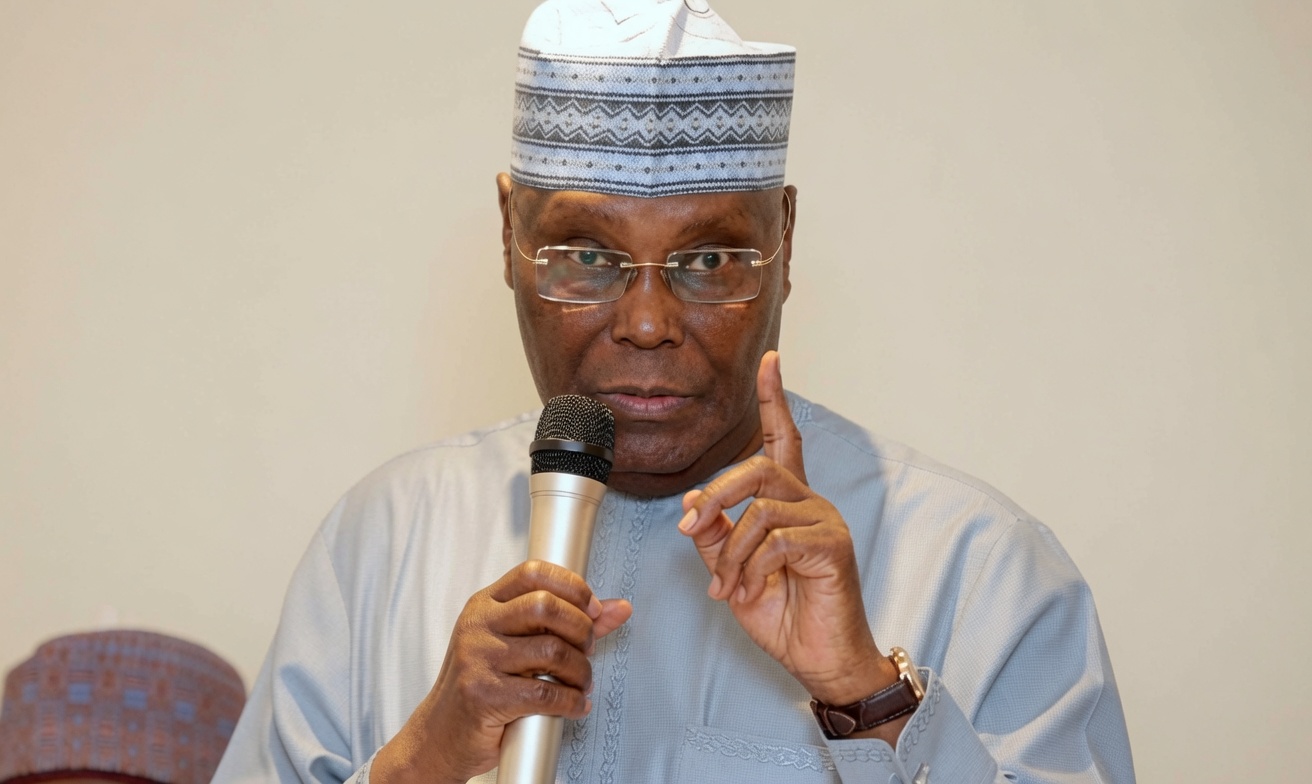
Former Vice President and presidential candidate of the African Democratic Congress (ADC), Atiku Abubakar, has sharply criticized President Bola Tinubu’s administration, accusing it of overseeing a severe decline in agricultural export earnings while abandoning local farmers to worsening insecurity and high production costs.
In a statement issued on Wednesday, October 7, 2026, in Abuja by Phrank Shaibu, Director of Strategic Communication of the ADC Presidential Campaign Council, Atiku highlighted trade figures showing a major reversal in Nigeria’s agricultural trade balance.
”Tinubu cannot call this reform when the people who grow our food and the businesses that should process it are being squeezed from both sides,” Atiku stated. “Farmers cannot cultivate promises. Manufacturers cannot power factories with speeches. Workers cannot feed their families on assurances that prosperity is coming.”
The ADC presidential candidate contended that the administration’s economic policies have forced the nation into over-reliance on raw commodity exports, such as raw cocoa beans and cashew nuts, without incentivising local value-addition or processing. This dynamic, he argued, exports Nigerian jobs abroad while subjecting domestic consumers to high prices for finished goods.
Atiku outlined key economic challenges facing operators across the agricultural and manufacturing supply chains. Violent threats and insecurity continue to prevent farmers from accessing their fields, leading to diminished harvests and localised food shortages.
High fuel prices, rising transport costs, and soaring utility bills have made factory operations difficult and reduced the competitiveness of domestic processors and exporting raw agricultural goods leaves the highest margins, refining opportunities, and processing jobs in foreign markets.
Reiterating his economic policy vision under an ADC administration, Atiku promised to introduce targeted, transparent production subsidies for domestic farmers, agricultural processors, and local oil refineries.
”My administration will begin restoring a transparent production subsidy from Day One,” Atiku declared. “We will back farmers and processors with determination: Grow it here. Process it here. Refine it here. Create the jobs here. Make life affordable here.”
The Federal Government maintains that its macroeconomic reforms are structured to stabilise domestic production, attract long-term foreign investment, and establish sustainable economic growth.
Recent NBS reports show real GDP grew by 3.89% year-on-year in Q1 2026, with manufacturing recording 3.29% real growth. However, opposition leaders maintain that immediate policy corrections are needed to support domestic producers and reverse declining trade performance.