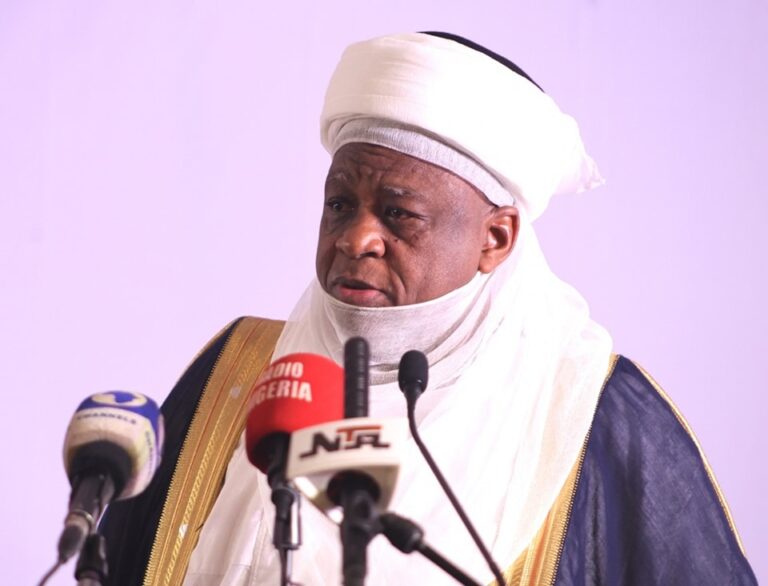
The Sultan of Sokoto and President-General of the Nigerian Supreme Council for Islamic Affairs (NSCIA), His Eminence Alhaji Muhammad Sa’ad Abubakar III, has declared that nobody should be compelled to embrace Islam. He urged Muslims to actively respect the rights, freedoms, and religious practices of people of other faiths to ensure peaceful coexistence across the nation.
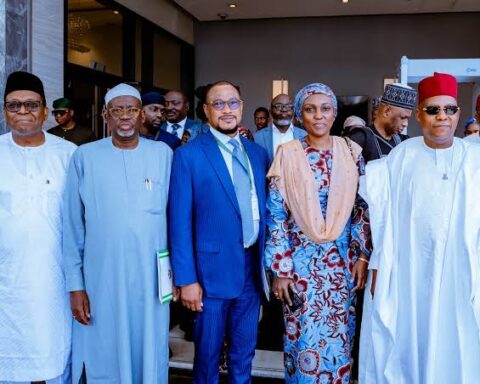
The Islamic leader delivered the address during an executive meeting of the NSCIA held on Thursday, October 1, 2026, at the National Mosque Complex in Abuja. The high-level gathering convened prominent Muslim leaders, scholars, and stakeholders to deliberate on national security, social stability, and the role of the Ummah in contemporary Nigeria.
Addressing the delegates, the Sultan emphasized that forced conversion is inherently contrary to Islamic teachings and tenets. He called on adherents of both Islam and Christianity to desist from provocative language and mutual disrespect.
”We must be honest with ourselves: Christians can stop insulting Muslims, and Muslims can stop insulting Christians. That is how we live in peace,” the Sultan stated. “Neither Christians nor Muslims should consider themselves superior to one another, as all people are equal before God. Nobody should be forced into Islam, and those who join must do so purely out of their own free will.”
The Sultan urged the Muslim community to remain united, conscious of their civic responsibilities, and dedicated to serving humanity silently and selflessly amid current economic and social challenges.
Prof. Ishaq Oloyede (Secretary-General, NSCIA): Raised concerns regarding the educational gap in predominantly Muslim states, urging parents and leaders to prioritize a balance of Islamic and Western education. “The most educationally disadvantaged states are Muslim states. The current generation must be sound in both Islamic and Western education to meaningfully contribute to national development,” Oloyede noted.
He also advocated for reduced government financial involvement in organizing the annual Hajj, arguing that state participation should be restricted to facilitation rather than sponsoring pilgrims who lack personal financial means.
Prof. Salisu Shehu (Deputy Secretary-General, NSCIA): Emphasised the critical need for internal unity, integrity, and excellence among Muslim public officials. He encouraged qualified Muslim professionals to seek active representation in governance, media, and key sectors to aid in national building.
The council concluded the session with a collective call for religious tolerance, institutional reform, and sustained dialogue among faith leaders to foster long-term national harmony.