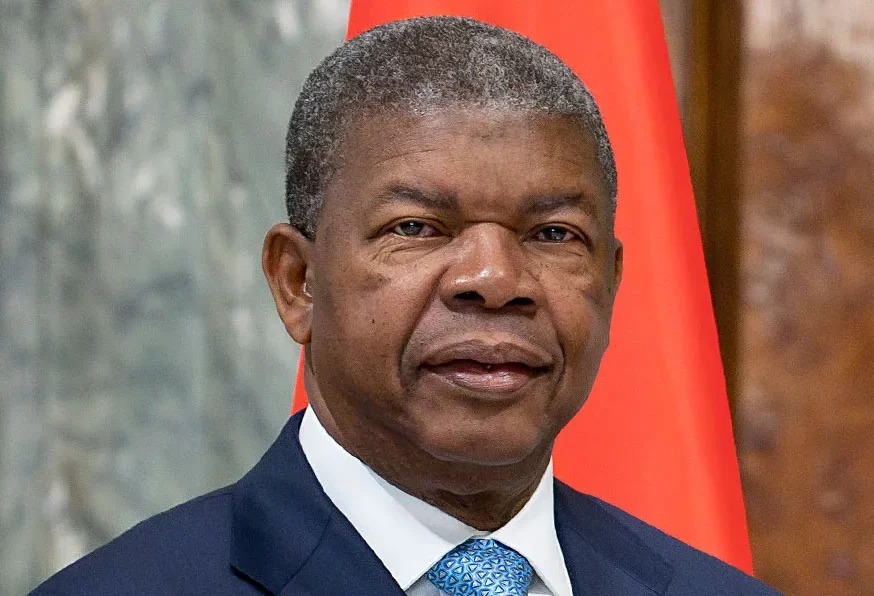
Tanzania has called on world leaders to intensify efforts to achieve the Sustainable Development Goals (SDGs), while Angola’s President João Lourenço warned that rising conflicts and the increasing use of force were threatening global peace and security.
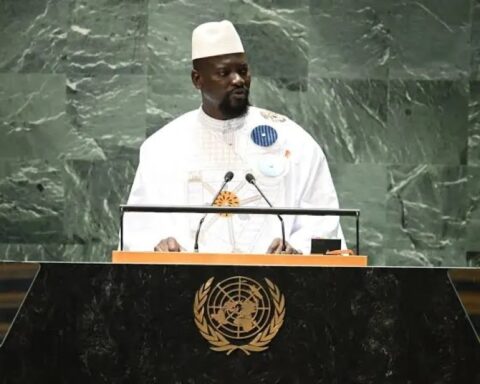
The remarks were made during the General Debate of the 81st session of the United Nations General Assembly in New York. The UN says the 2026 General Debate is being held from Sept. 22 to 26 and Sept. 28 under the theme of restoring trust and managing transformation.
Tanzanian Vice President Deogratius Ndejembi said his country had made progress in implementing the 2030 Agenda through investments in people, infrastructure, technology and innovation. He, however, stressed the need for improved project execution to ensure that resources invested in development programmes produced tangible results.
Ndejembi also called for reforms to the international financial architecture, citing high borrowing costs, rising debt burdens and limited access to affordable long-term financing as obstacles to development.
He urged greater climate financing through grants and concessional funding, alongside investment in renewable energy sources such as hydro, solar, geothermal and wind, while calling for urgent action to protect coastal communities and island nations from rising sea levels.
On sanctions, the Tanzanian vice president called for respect for national sovereignty and urged the lifting of measures he described as unjustifiable constraints against countries including Cuba and Zimbabwe. He also appealed for stronger international cooperation on climate action and technology, saying long-term financing was needed to support developing countries in meeting their development and climate goals.
Meanwhile, Angolan President João Lourenço condemned terrorism and expressed concern over the deterioration of global peace and security.
He said attempts to dominate countries and regions through military force were pushing the world towards catastrophe, describing the current international environment as one in which force was increasingly taking precedence over reason and international law. Lourenço said Angola remained committed to peacebuilding and conflict resolution through dialogue, particularly through African-led solutions to African conflicts.