By Bosede Olufunmi
The Adolescent Health and Information Projects (AHIP) an NGO, has called for more investment in literacy and digital skills, to empower adolescents, women and other vulnerable groups.
The Executive Director of the AHIP, Dr Mairo Bello, made the call in a statement issued to newsmen on Tuesday in Kano.
Bello said literacy remained a fundamental tool for education, health, economic empowerment, human rights and informed decision-making.
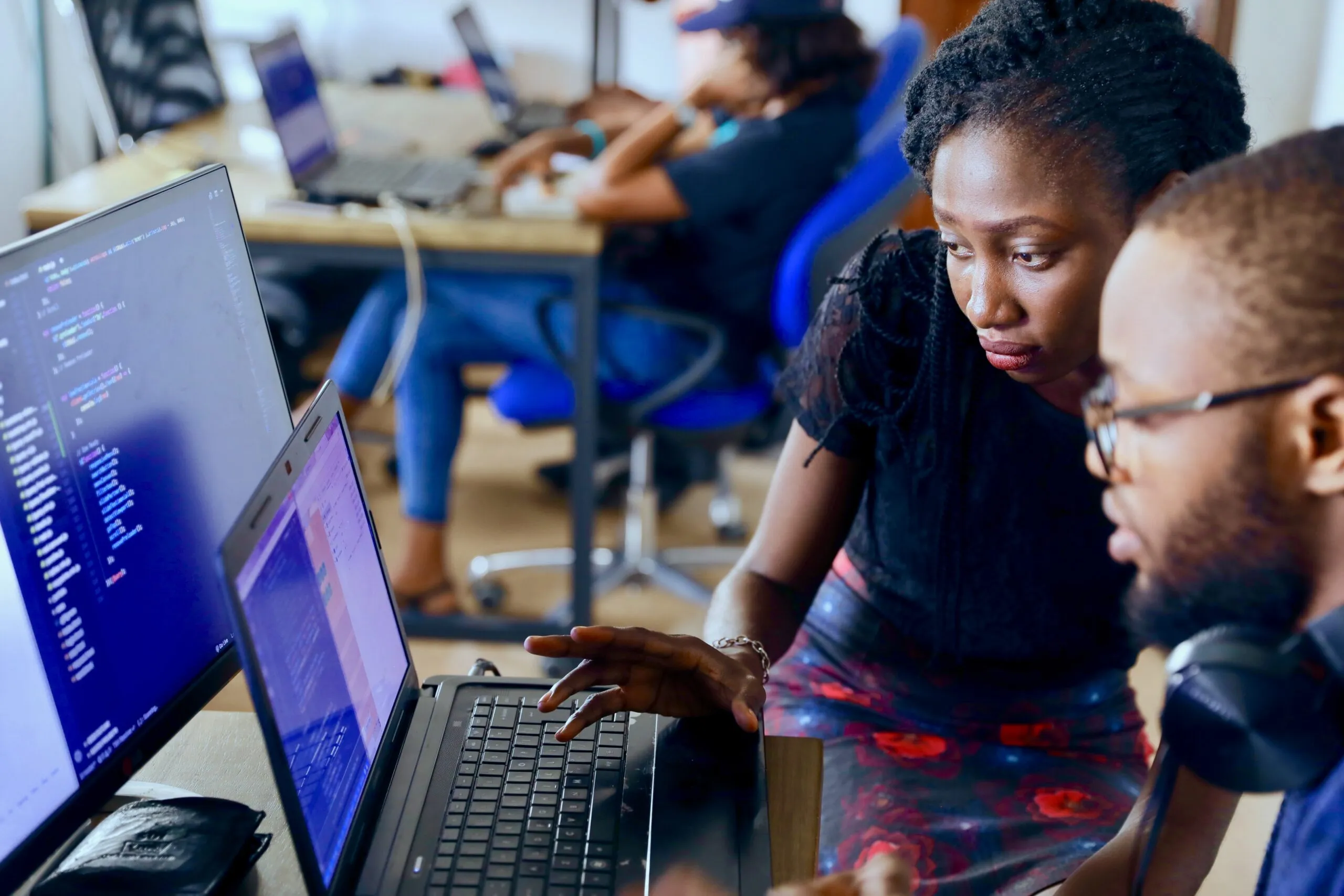
“Literacy in the digital age should go beyond the ability to read and write. We need to equip young people with digital, health, media and financial literacy skills.
“Such skills will enable young people to navigate information, identify misinformation and make informed decisions”.
She explained that young people, particularly girls and those living in underserved communities, had continued to face barriers to quality education and access to reliable information.
The executive director added that literacy was more than reading and writing, noting that it involved having the knowledge, skills and confidence to understand information, make informed decisions and participate fully in society.
“For adolescents, literacy can be the difference between vulnerability and opportunity.
“There is a need for increased support for girls’ education, adolescent-friendly information services, community learning initiatives and digital literacy programmes”.
According to her, the interventions are particularly important in communities affected by poverty, insecurity and other social and economic challenges.
The executive director also said literacy initiatives should respond to the realities facing young people, including the growing influence of social media and artificial intelligence.
“Adolescents need skills to critically assess information and protect themselves from harmful online content”.
She reaffirmed AHIP’s commitment to working with government institutions, communities, development partners, schools and other stakeholders, to promote literacy, adolescent health, access to information and their wellbeing.
Bello urged governments at all levels, development partners, civil society organisations, communities and the private sector, to strengthen interventions that would promote inclusive and equitable access to learning opportunities.
She also urged stakeholders to use the International Literacy Day to renew efforts toward ensuring that every child and adult had the opportunity to acquire the literacy skills needed to live healthy, productive and dignified lives.