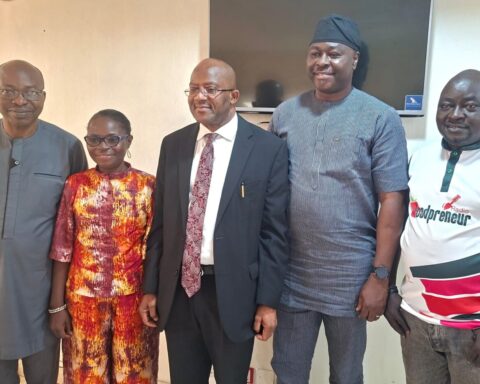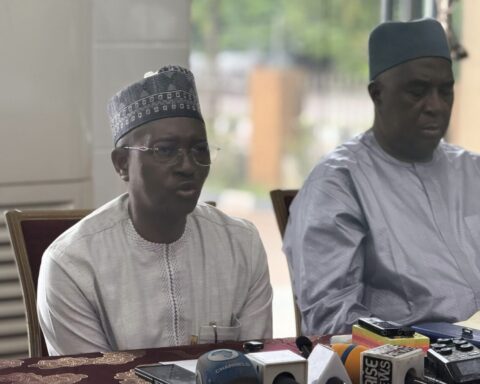
Former Chief of Staff to the Imo State Governor, Ugwumba Uche Nwosu, has strongly condemned remarks attributed to prominent Plateau-based Islamic scholar, Sheikh Sani Yahaya Jingir, who described Christians as “infidels.”
In a statement released on Monday, August 10, 2026, in Abuja, Nwosu labeled the cleric’s utterances as “divisive and unacceptable,” warning that such comments threaten national unity and risk inciting religious disharmony across Nigeria.
Nwosu emphasized that Nigeria’s national strength lies in its ethnic, regional, and religious diversity, noting that citizens must protect mutual respect and peaceful coexistence.
He urged Nigerians to reject divisive rhetoric, asserting that no religious leader should use their platform to denigrate or label an entire faith community. The former governorship candidate called on the Federal Government to take lawful action against individuals whose public utterances undermine peace and security.
”At a time when Nigerians are looking forward to greater unity and peaceful coexistence, it is unfortunate for anyone, particularly a religious leader, to make statements capable of setting one group against another. The remarks should be condemned outright.”said Ugwumba Uche Nwosu.
The controversy stems from remarks made by Sheikh Sani Yahaya Jingir during a recent political gathering attended by key political figures, including Kano State Governor Abba Kabir Yusuf and Jigawa State Governor Umar Namadi.
During the event, Sheikh Jingir renewed his advocacy for the adoption of Muslim-Muslim tickets ahead of the 2027 general elections, praised the current administration’s electoral setup, and reportedly referred to non-Muslims as infidels while urging attendees to register for their Permanent Voter Cards (PVCs).
Nwosu appealed to both Christian and Muslim communities not to allow provocative statements from individuals to undermine longstanding interfaith relationships. He urged clerics and community leaders across the country to exercise responsible leadership and use their positions to foster reconciliation, tolerance, and stability.