When Nigeria returned to democratic rule on May 29, 1999, the country’s military faced a new reality. After decades of military rule, the armed forces were expected to retreat from politics and focus on their constitutional responsibility of defending the nation’s territorial integrity.
However, the transition also exposed years of underfunding, obsolete equipment, poor infrastructure and declining operational capacity.
Twenty-seven years later, military spending has become one of the most debated components of Nigeria’s national budget. While successive governments have justified increased defence allocations as necessary to combat terrorism, insurgency, banditry, piracy and other security threats, critics continue to question whether the enormous expenditure has translated into improved security for ordinary Nigerians.
From the administration of former President Olusegun Obasanjo to the current government of President Bola Ahmed Tinubu, Nigeria’s defence budget has evolved from modest allocations in the early democratic years to multi-trillion-naira appropriations, reflecting the country’s changing security landscape.
When President Obasanjo assumed office in 1999, Nigeria’s immediate defence priorities centred on professionalising the military, improving civil-military relations and participating in regional peacekeeping missions, particularly in Sierra Leone and Liberia.
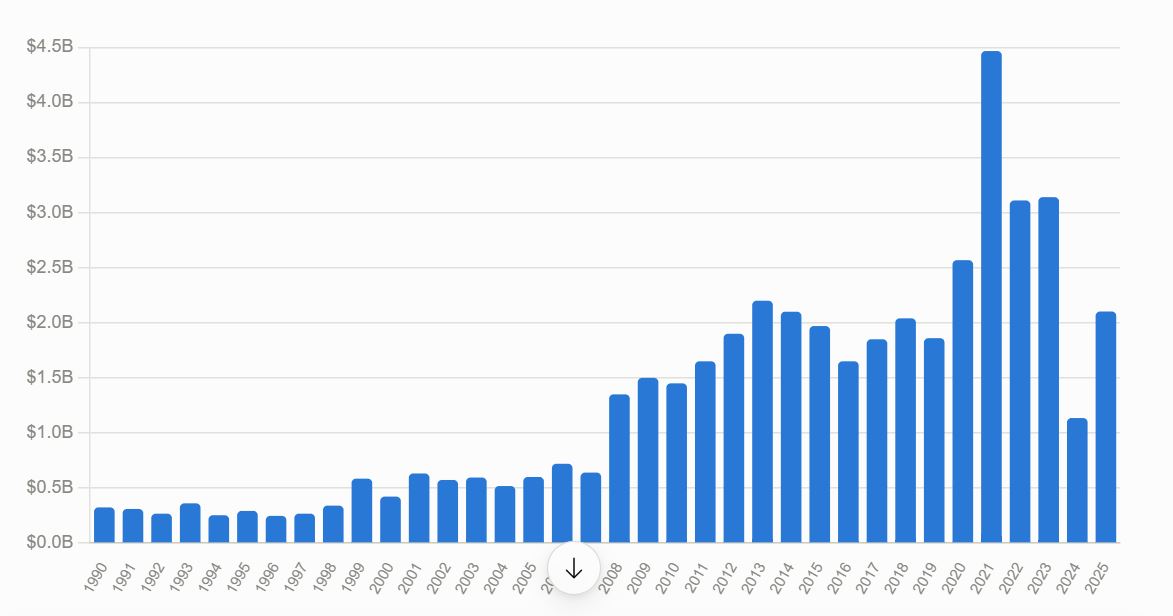
Military spending during this period remained relatively moderate. International defence expenditure databases estimate Nigeria’s military spending in 1999 at roughly $776 million, representing less than one per cent of the country’s Gross Domestic Product (GDP).
Much of the funding went into personnel costs, rehabilitation of barracks and limited procurement programmes aimed at restoring the operational readiness of the Nigerian Army, Navy and Air Force after years of neglect.
Although security challenges such as communal clashes and militancy in the Niger Delta existed, they had not yet escalated into the nationwide crises witnessed in later years.
The emergence of Boko Haram in 2009 dramatically altered Nigeria’s defence spending priorities.
Initially operating as a radical religious movement in Borno State, the group transformed into a violent insurgency following the death of its leader, Mohammed Yusuf. By 2013, the insurgency had spread across much of Nigeria’s North-East, forcing the Federal Government to declare states of emergency in Borno, Yobe and Adamawa states.
As terrorist attacks intensified, defence budgets expanded significantly.
Successive administrations approved emergency procurements, increased recruitment into the armed forces and invested heavily in intelligence gathering, surveillance platforms, aircraft and armoured vehicles. Nigeria also strengthened cooperation with neighbouring countries under the Multinational Joint Task Force (MNJTF) to combat cross-border terrorism.
The military’s operational tempo increased considerably as troops were deployed simultaneously across multiple theatres of operation.
One of the defining features of Nigeria’s military spending since 1999 has been the gradual modernisation of defence equipment.
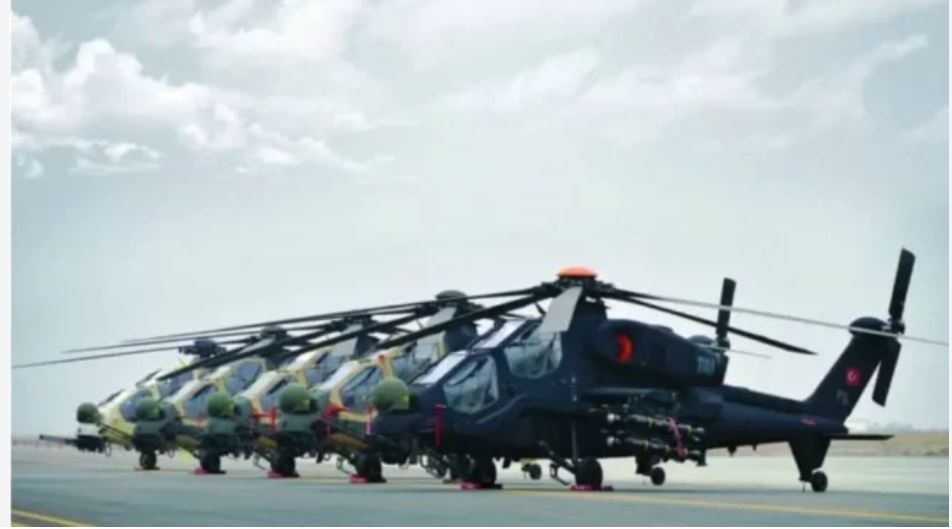
The Nigerian Air Force has acquired fighter aircraft, attack helicopters, unmanned aerial systems and transport aircraft to improve its air power.
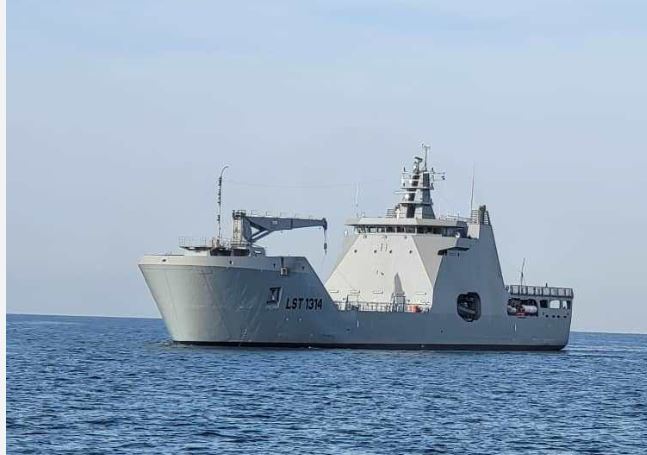
Similarly, the Nigerian Navy has expanded its fleet with offshore patrol vessels, fast attack craft and maritime surveillance capabilities to tackle crude oil theft, piracy and illegal fishing in the Gulf of Guinea.
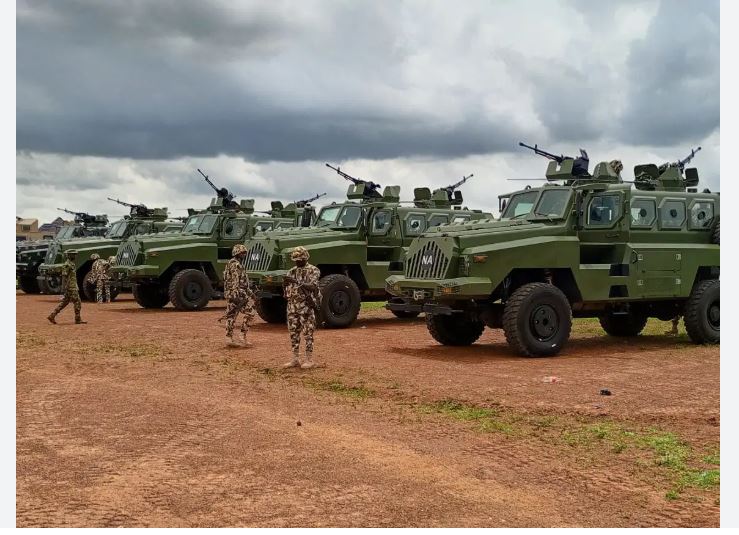
The Nigerian Army has also procured armoured personnel carriers, mine-resistant vehicles, artillery systems, communication equipment and other combat platforms aimed at improving operational effectiveness.
These acquisitions have come through direct government purchases, bilateral defence agreements and foreign military sales involving countries including the United States, China, Pakistan, Italy and Turkey. Recent approvals have also included financing for new attack aircraft and ammunition to strengthen air operations.
Nigeria’s defence allocations have grown steadily over the past decade.
From budgets measured in hundreds of billions of naira during the early 2010s, defence spending has risen into the trillions.
Recent analyses estimate that between 2012 and 2026, Nigeria allocated approximately ₦33 trillion to defence and security-related expenditure, underscoring the enormous fiscal commitment made in response to growing insecurity.
The 2026 federal budget allocated about ₦3.16 trillion specifically to defence, representing the highest nominal defence allocation in Nigeria’s history. Analysts, however, note that high inflation has reduced the real purchasing power of these record appropriations, limiting the impact of increased nominal spending.
Despite the sustained increase in defence expenditure, Nigeria continues to grapple with multiple security threats.
The Boko Haram insurgency remains active in parts of the North-East despite significant military successes against the group. Banditry has spread across several north-western states, while kidnapping for ransom has become a nationwide criminal enterprise.
Separatist violence in the South-East, farmer-herder conflicts in the Middle Belt, illegal oil bunkering in the Niger Delta and piracy in Nigeria’s territorial waters have further stretched military resources.
Security experts argue that the military has been compelled to perform extensive internal security duties that traditionally fall within the responsibilities of the police, placing enormous pressure on personnel and equipment.
The rapid growth in defence spending has also intensified calls for greater transparency.
Civil society organisations, lawmakers and policy analysts have repeatedly questioned procurement processes, contract execution and the effectiveness of defence expenditure.
Several investigations over the years have highlighted allegations of procurement irregularities involving military contracts, although successive governments have pledged reforms aimed at improving accountability and strengthening oversight.
Defence analysts argue that military spending should be evaluated not merely by the size of annual budgets but by measurable improvements in operational capability, troop welfare, intelligence gathering and citizens’ safety.
Nigeria’s security environment shows little sign of becoming less demanding.
Emerging threats such as cyber warfare, unmanned aerial systems, transnational organised crime and maritime insecurity are expected to require continued investment in advanced technology, intelligence capabilities and specialised training.
Experts believe future military spending should increasingly prioritise indigenous defence production, research and development, maintenance of existing platforms and improved welfare for military personnel.
They also argue that military expenditure alone cannot guarantee national security. Sustainable peace, they contend, will require complementary investments in policing, education, employment, border management, judicial reforms and economic development.
Since the restoration of democracy in 1999, Nigeria’s military spending has reflected the country’s evolving security realities.
What began as efforts to rebuild a professional military after years of military rule has transformed into one of Africa’s largest and most complex defence programmes, driven largely by terrorism, insurgency and internal security operations.
While billions of dollars and trillions of naira have been committed to strengthening the armed forces, the debate continues over whether these investments have produced security outcomes commensurate with the resources expended.
As Nigeria confronts an increasingly complex security environment, policymakers face the difficult challenge of ensuring that every naira allocated to defence not only strengthens military capability but also delivers the fundamental objective expected by every citizen—a safer and more secure nation.