By Luke Onyekakeyah
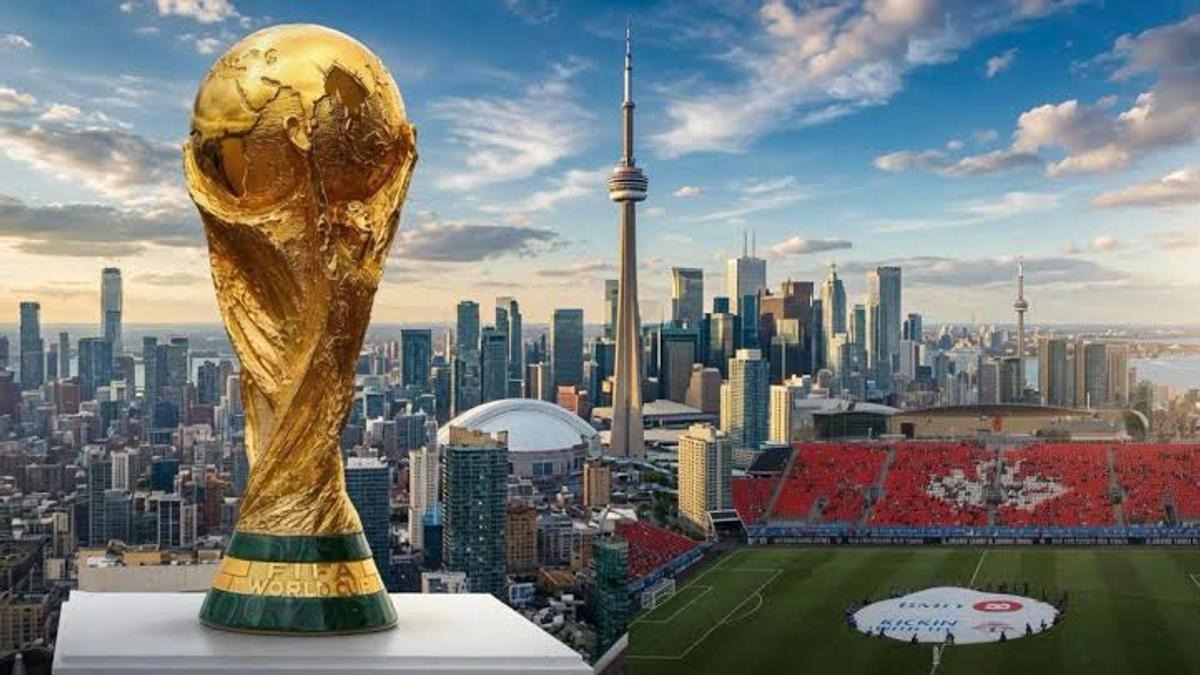
This problem comes up every four years following the World Cup tournament. After the 2026 World Cup, the story is the same again. After every major tournament hosted abroad, a number of players, officials, journalists, and fans from African countries don’t return home. They claim asylum or “go missing”. As for the 2026 tournament, reports indicate that so far, no official Super Eagles squad members has claimed asylum this time due probably to the fact that Nigeria did not officially participate in the game.
But reports from US, Canada, and immigration watch groups said a mix of fans who traveled on fan visas and overstayed, delegates/media accredited for the tournament, athletes from other sports who were part of Nigeria’s contingent for events did not return and filed asylum claims in the US and Canada. The exact numbers are hard to verify because asylum cases are private.
Why it dents Nigeria’s image. “Giant of Africa” narrative clash: When people risk everything to not go home after a celebration, it signals to the world that “things are bad at home.” That undercuts investment and diplomacy messaging. It makes it harder for the next set of Nigerians to get US/Canada/UK visas.
Embassies tighten screening for “high-risk” profiles. That’s why students and business people complain of visa denials. Brain drain optics: Combined with doctors, lecturers, and tech talent “fleeing”, it reinforces the story that Nigeria can’t retain its people. It embarrasses NFF and the Sports Ministry. Sponsors ask: “Why can’t you keep your team together?”
Why people do it. It’s rarely just “World Cup” but usually due to economic factors – no jobs, inflation, insecurity – fear of banditry, cultism, political targeting, perception and belief that asylum process is easier when you’re “in the system” during a global event.
After past tournaments, the usual response by government and NFF has been denial and damage control by attributing it to “Only a few bad eggs”. The NFF usually blacklists and bans those officials/players from future national duty. Tighter vetting – more bonds, deposits for future delegations.
Usually, one tournament doesn’t create the image problem, it just exposes an existing one. Countries like Ghana, Cameroon, and Kenya have had the same stories in 2010, 2014, and 2022. The real dent to Nigeria’s image comes from the push factor, i.e. the reasons people leave, namely security, jobs, education. Once these are fixed, no one will risk asylum after 90 minutes of football.
As it were, the main story out of Canada/US so far is small numbers, but big concerns about visas and enforcement. The numbers on record show Canada as of July 20, 2026, has 10 Nigerians who came as “FIFA World Cup visitors” have filed asylum claims. The total World Cup-related asylum claims in Canada is reportedly 175. Ghana has the highest with 25, then Egypt/Colombia 15 each. Nigeria, Kenya, China, Bangladesh each has 10. There was no classification as to whether they were players, officials, or fans. In the US, no official number has been released yet. But the fear and warnings were the big talking point.
According to US immigration lawyers, breaching entry conditions risks losing tourist visa entirely. Added to that is travel bans and visa bonds: Lawyers like Gabriel Castro of BAL and Mohammad A. Syed of Offit Kurman flagged that the 2025-2026 travel bans and $15,000 visa bonds hit 5 World Cup countries: Algeria, Cape Verde, Ivory Coast, Senegal, Tunisia. For banned countries like Haiti, Iran, Senegal, Côte d’Ivoire, exceptions were made for athletes/staff but not family/fans.
Syed said lawyers are helping people figure out waivers or telling them to “watch games in Canada or Mexico” instead. Lawyers say stricter admissions ICE presence made many fans skip the US entirely. The concern was denial of entry, detention, and racial profiling.
“People without valid documents were afraid to go to the stadiums. ICE have been troubling them in New Jersey, and they want to play it safe”. He said sales were dull because “many non-citizens have voluntarily left the country for fear of ICE”. Because of visa denials for Africans from the continent, African immigrant communities in US/Canada set up viewing centers. For example one Jonathan Bankole Aluko, a Nigerian in Los Angeles, reportedly turned his print shop into a viewing area with African food. Similar setups reported in Houston, DC, Atlanta, New Jersey, and New York.
Reports say more than 120 US civil rights organizations including ACLU issued a “travel advisory” since April warning fans/visitors of “risk of serious rights violations”: arrest, detention, deportation, racial profiling. The UN rights chief Volker Turk urged US to “rethink” immigration enforcement for the World Cup, citing cases like Somali referee Omar Artan being barred. He said: “dehumanisation of migrants… is put to an end”.
Jean-Jacques Kayembe, immigrant advocate contrasted World Cup unity with SCOTUS ruling ending TPS for 350,000 Haitians. “Football unites us for 90 minutes. Let’s carry that same spirit”. In the broader context lawyers cite visa cost burden: $185 base fee, up to $435 with extras. Plus travel for interviews. Lawyers say this already blocks many ordinary Nigerian families. Regarding overstay concerns: US cited “high rates of people overstaying visas” as reason for stricter screening for Nigeria and other African nations. Nigeria has “partial restrictions”.
Lawyers say the law is clear – no work on tourist visas, as post-2025 rules made entry harder. They advised “don’t overstay” because it hurts future visa applicants.
Nigerian diaspora were proud of the team, but frustrated, saying that the asylum cases are a symptom of economic/insecurity issues back home, not just football. They’re also angry that fear of ICE kept many from attending and made the US feel hostile. Rights groups called it a human rights issue, not just immigration enforcement.
Canadian government stressed “tourist visas are not a pathway to residency” and warned fans about fraudsters promising jobs/immigration tied to World Cup. “You’re responsible for all information in your application… inaccurate info could risk a five-year ban”. Visa application data shows Nigeria was 4th highest for Canada World Cup visa applications: 1,293 applied, 557 refused as of March 2026. Reason cited by experts: “heightened scrutiny due to statistical overstay rates”.
No statement from NFF Communications Director Ademola Olajire or NFF President on the asylum numbers has been published yet. Downplay numbers: “10 out of 26,000 is less than 0.04 percent. Not representative” Blame “bad agents”: Repeat Canada’s warning about fraudsters. Consular advice: Likely to urge Nigerians to “respect visa terms” to avoid hurting future applicants.
Dr. Onyekakeyah, former member of The Guardian Editorial Board, is a public affairs commentator and a Daily Query columnist.