By Uche Chris
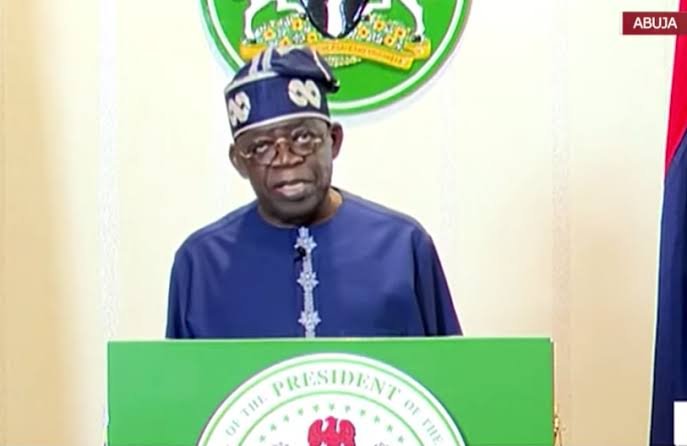
Governance, by its very essence, requires calm, deliberate execution, and the steady hand of trust. Yet, under President Bola Tinubu, Nigeria appears to be navigating a perpetual state of administrative turbulence, self inflicted wounds, and political infamy.
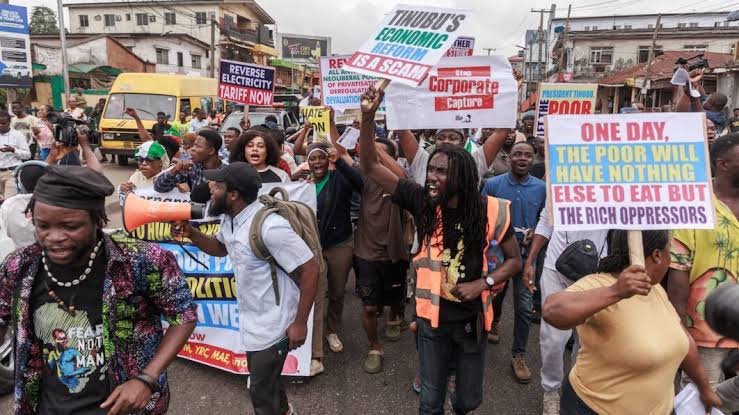
Everyday brings a new saga, transforming governance into an endless series of breaking bad news updates. The sheer frequency of scandals has created a surreal reality where citizens can barely digest one national embarrassment before another eclipses it.
This month alone has offered a dizzying parade of missteps, administrative opacity, and political melodrama that highlights a deeply fractured, clueless and unintentional administration. Often, we hear of issues that make no sense at all.
Take, for instance, the agonizing ordeal of the Orire, Ogbomoso school children. While the relief of their rescue after nearly two months in captivity is undeniable, the entire saga laid bare severe gaps in state coordination and security communications. The grilling question is, were they rescued or released?
Rather than inspiring absolute confidence, the incident left behind a trail of unanswered questions regarding intelligence gathering and why innocent school children were subjected to 56 days of terror in the first place.
Even more astounding is the bizarre scandal surrounding the fictitious “Presidential Foreign Intervention Promotion Council”. The ongoing public tussle involving Adeniyi Adeyemi and Chief of Staff Femi Gbajabiamila reads more like political satire than serious governance.
How an alleged impostor could set up shop inside the Federal Secretariat, liaise with foreign diplomats, and miraculously secure a staggering ₦1.3 billion allocation in the 2026 Appropriation Act, all while the Presidency insists the agency never existed, defies basic administrative logic.
That a ghost agency could slip through the country’s official budget machinery exposes an alarming breakdown in oversight. The culprits are many: the cabinet office, the executive council, the Budget office, the National Assembly’s Committees on Appropriations the NASS as a whole etc. Where do you start.
Simultaneously, the administration’s legislative agenda continues to brew suspicion. For months, the touted bill on State Police has dominated public discourse as the silver bullet for Nigeria’s lingering insecurity. Yet, the actual draft bill remains a phantom text, debated fiercely by commentators, promised by politicians, but mysteriously unseen by the general public.
Governing by secrecy and vague promises only deepens the trust deficit between the state and the citizens it serves. Adding an international dimension to this chaotic news cycle is the controversy over an alleged “commendation letter” from U.S. President Donald Trump.
In a desperate bid to project diplomatic clout, publicity handlers rushed to broadcast the praise. Yet, critics quickly pointed out the selective framing and political spin applied to the official correspondence, turning a delicate foreign relations note delayed two weeks into another round of domestic partisan squabbling.
These are not isolated incidents; they fit a broader pattern of governance marked by haste and controversy. From the chaotic rollout and sudden policy reversals on tax reforms to the controversial purchase of luxury assets amid historic economic inflation, the hiring of foreign lobbyist with $9 million, the regime seems perpetually trapped in self-inflicted crises.
A nation cannot run efficiently when its leadership is perpetually extinguishing political fires of its own making. When scandal becomes standard operating procedure, accountability dissolves. President Tinubu must recognize that PR damage control is no substitute for structured, transparent governance.
Until the administration trades sensationalism for substance, Nigeria will remain bound to this regime of infamy, where every day is a new headline, but no real progress is made.