By Richard Benjamin
Financial experts have urged the Central Bank of Nigeria (CBN) to sustain strict regulatory oversight following the revocation of the operating licences of 46 microfinance banks, effective July 1, 2026.
The CBN announced the revocation, citing regulatory breaches including insolvency, failure to meet minimum capital requirements, prolonged inactivity, inadequate assets to meet liabilities and the unauthorised closure of branches.
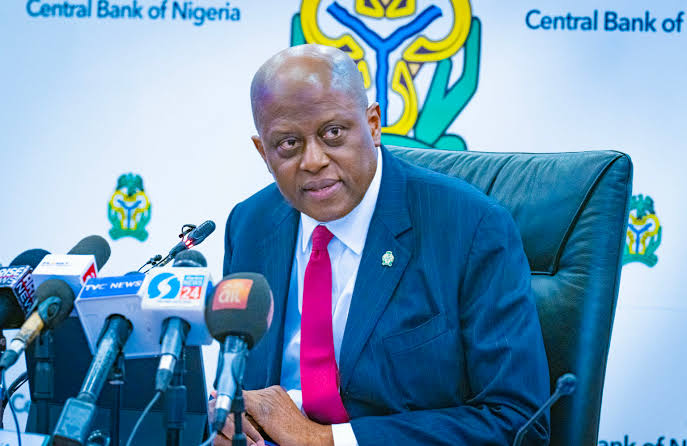
The apex bank said the action, approved by its Governor, Olayemi Cardoso, under the Banks and Other Financial Institutions Act (BOFIA) 2020, was aimed at safeguarding the stability of the financial system and protecting depositors.
The affected banks are spread across several states, with Kano and Lagos accounting for the highest number of revoked licences. The CBN advised customers to consult its official publication for the complete list of affected institutions.
The Nigeria Deposit Insurance Corporation (NDIC) assured depositors that insured deposits of up to ₦2 million per customer would be paid after the verification process. It also clarified that outstanding loans granted by the affected banks remain valid and recoverable.
Reacting to the development, financial analysts described the revocation as a necessary regulatory measure to strengthen the microfinance banking sector and improve public confidence in the financial system.
They, however, urged the CBN to maintain continuous supervision of licensed institutions to prevent future regulatory violations and ensure compliance with prudential standards.
Some experts also noted that the revocation could affect financial technology firms and digital payment platforms that partnered with some of the affected microfinance banks, calling for close collaboration between the CBN and the NDIC to minimise disruptions to customers.
The revocation forms part of the CBN’s ongoing efforts to strengthen corporate governance, enforce regulatory compliance and promote a safe, stable and resilient banking sector.