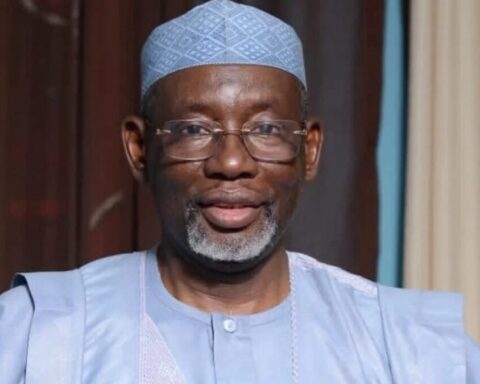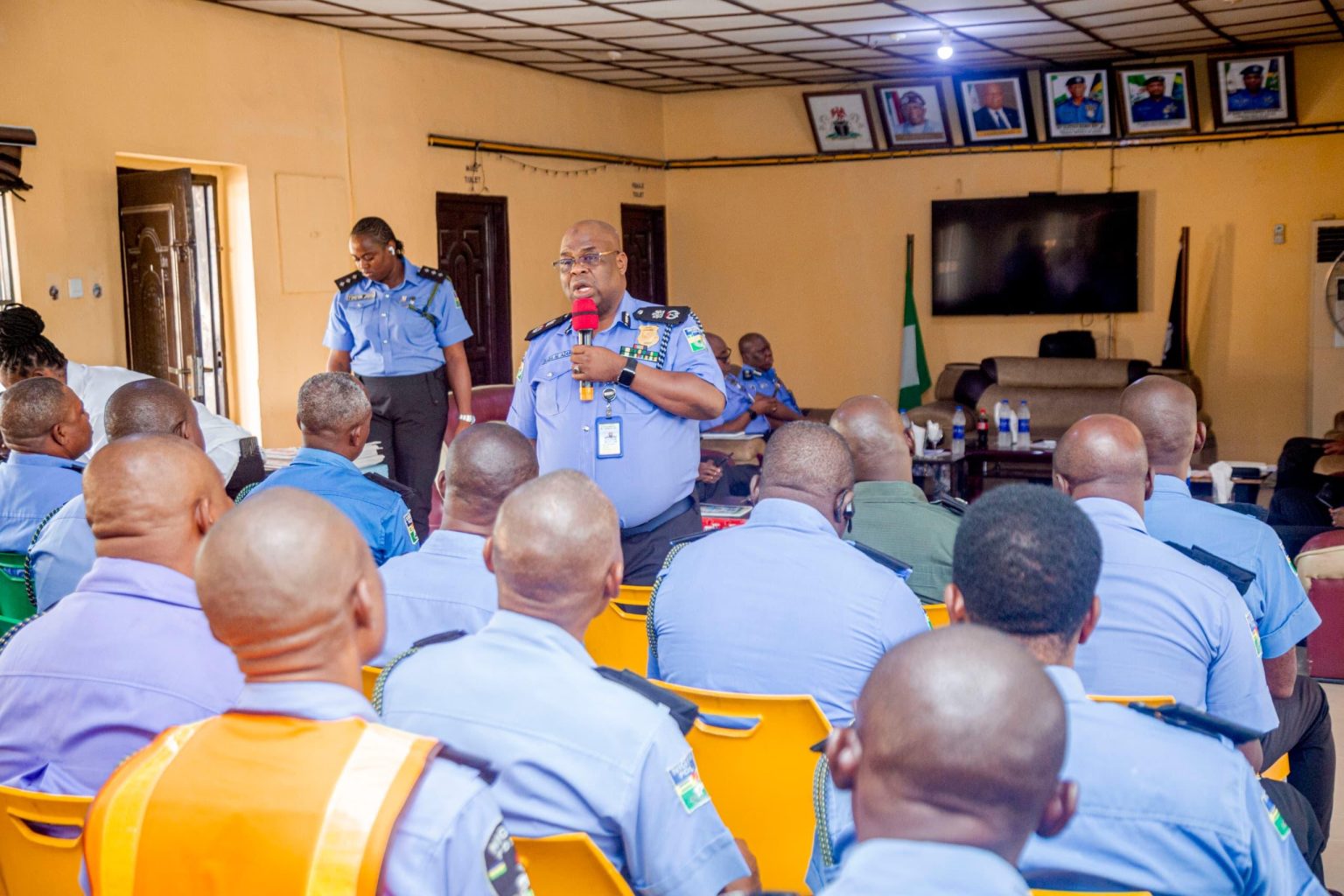
The Commissioner of Police in Akwa Ibom State, Baba Mohammed Azare, has charged senior police officers across the state to embrace mentorship as a core leadership responsibility, stressing that the future of the Nigeria Police Force depends on the quality of leaders being groomed today.
Azare made the call on Wednesday during the Akwa Ibom State Command’s End-of-the-Month Conference held at the Command Headquarters, Ikot Akpan Abia, in Uyo. The conference, which brought together senior officers of the command, was themed, “Mentorship in Policing: Building the Next Generation of Professional Police Leaders.”
Addressing participants at the gathering, the police commissioner underscored the importance of mentorship in strengthening the institution and ensuring continuity in professional policing standards. He noted that beyond enforcing laws and maintaining public order, the police profession requires deliberate efforts to nurture future leaders who possess the skills, discipline, integrity, and commitment necessary to uphold the values of the Force.
According to him, mentorship remains one of the most effective tools for institutional development and succession planning within law enforcement agencies. He explained that experienced officers have a responsibility to guide younger personnel, helping them acquire not only technical policing skills but also the ethical principles and leadership qualities required for effective service delivery.
Azare stated that the strength, effectiveness, and credibility of the Nigeria Police Force are closely tied to the quality of leadership being cultivated at every level of the organisation. He warned that without intentional efforts to develop future leaders, the Force could face challenges in maintaining professionalism and public confidence.
The commissioner emphasized that mentoring younger officers should not be viewed as an optional activity but as an essential duty of every senior officer. He said experienced personnel possess valuable knowledge and practical insights gained through years of service, which should be transferred to the next generation to ensure continuity and institutional growth.
He further explained that policing is a dynamic profession that requires constant learning, adaptation, and character development. As such, young officers need guidance from seasoned colleagues who can help them navigate the complexities of law enforcement while maintaining high standards of conduct.
The conference also served as a platform to discuss strategies for strengthening professionalism within the Force and improving leadership development among officers. Participants examined the role of mentorship in enhancing operational efficiency, promoting ethical behaviour, and fostering a culture of accountability.
Azare stressed that a well-structured mentorship culture would help produce officers who are not only competent in their duties but are also capable of leading with integrity and fairness. He noted that effective leaders inspire confidence among subordinates, improve organisational performance, and contribute to building stronger relationships between the police and the communities they serve.
The police commissioner highlighted the need for senior officers to serve as role models, pointing out that younger officers often learn through observation and interaction with their superiors. He urged leaders within the command to demonstrate professionalism, discipline, transparency, and dedication in their daily activities.
According to him, mentorship extends beyond formal training sessions and includes everyday interactions where senior officers provide guidance, encouragement, and constructive feedback to junior personnel. Such engagements, he said, are critical in shaping attitudes and preparing officers for greater responsibilities in the future.
Azare also reiterated the commitment of the Akwa Ibom State Command to improving the capacity of its personnel through continuous training, leadership development programmes, and professional education initiatives. He expressed confidence that investing in human capital development would contribute significantly to achieving the broader objectives of the Nigeria Police Force.
The commissioner called on all officers to actively participate in mentorship initiatives and create an environment where learning, knowledge-sharing, and professional growth are encouraged. He maintained that the future success of the Force depends on the collective effort of current leaders to prepare those who will eventually take over the mantle of leadership.
Participants at the conference reportedly welcomed the focus on mentorship, describing it as a timely initiative that aligns with ongoing efforts to reform and modernise policing in the country. Many agreed that effective mentorship can help bridge experience gaps, strengthen institutional values, and promote excellence in service delivery.
The meeting concluded with renewed calls for senior officers to take deliberate steps toward identifying, guiding, and developing promising officers within their ranks. Stakeholders expressed optimism that a strong mentorship culture would help build a more professional, accountable, and service-oriented police force capable of meeting the evolving security needs of the nation.
With the emphasis placed on leadership development and succession planning, the Akwa Ibom State Police Command’s conference reinforced the growing recognition that mentorship remains a vital pillar in building a stronger and more effective Nigeria Police Force for the future.