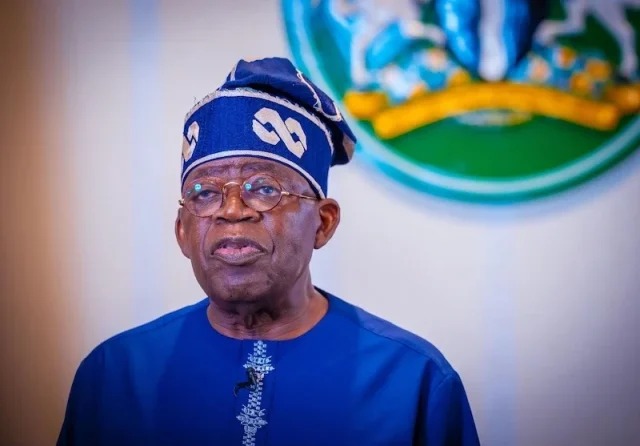
President Bola Ahmed Tinubu has described Nigeria’s youthful population as one of the country’s greatest assets, stressing that young Nigerians possess the talent, innovation and digital skills needed to compete successfully in the global economy.
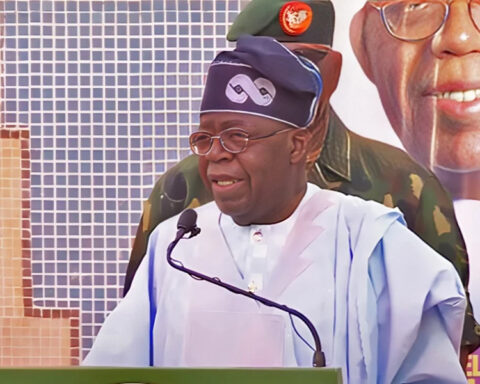
The President made the remarks on Tuesday while receiving the Global Chief Executive Officer of Mastercard, Michael Miebach, and his delegation during a visit aimed at strengthening collaboration in digital innovation, financial inclusion and business development in Nigeria.
Tinubu praised the resilience, creativity and technological abilities of Nigerian youths, noting that the country’s demographic advantage places it in a strong position to benefit from the rapidly expanding global digital economy.
According to him, millions of young Nigerians are eager to acquire new skills, embrace innovation and contribute meaningfully to national development when provided with the right opportunities and support.
The President also welcomed Mastercard’s proposal to train five million Nigerian businesses and equip them with critical digital skills, describing the initiative as timely and consistent with his administration’s efforts to empower young people, entrepreneurs and small business owners through technology-driven economic policies.
He said the programme would not only enhance the competitiveness of Nigerian enterprises but also accelerate economic growth by helping businesses adopt modern digital tools, expand their customer reach and improve operational efficiency.
According to a statement issued by the Special Adviser to the President on Information and Strategy, Bayo Onanuga, Tinubu expressed confidence that partnerships between government and global technology firms would play a significant role in unlocking opportunities for millions of Nigerians.
The President emphasized that the economic reforms introduced by his administration have begun yielding positive results by repositioning and stabilising the Nigerian economy for greater participation in international markets. He noted that the reforms are designed to create an environment that encourages investment, innovation and sustainable growth.
Tinubu further explained that ongoing efforts to formalise Nigeria’s vast informal sector are opening new pathways for digital transformation and financial inclusion. He observed that a significant percentage of businesses operating in the informal economy remain outside formal financial systems, limiting their access to funding, digital services and growth opportunities.
According to him, bringing more businesses into the formal sector will increase transparency, improve access to financial services and enable entrepreneurs to take advantage of emerging opportunities in the digital marketplace.
Addressing the Mastercard delegation, the President acknowledged the company’s longstanding presence and influence in the financial technology industry, praising its reputation for innovation and financial management.
“I am glad that you are very familiar with the terrain. I can classify you as a Nigerian.
Mastercard has a very big reputation in financial management, and opportunities are spreading in Nigeria,” Tinubu said.
His remarks reflected the administration’s desire to deepen partnerships with global corporations willing to invest in Nigeria’s economic transformation agenda and support efforts to build a more inclusive digital economy.
Industry analysts have noted that Mastercard’s proposed training initiative could have far-reaching implications for Nigeria’s small and medium-scale enterprises, which constitute a major part of the country’s economy. Experts believe that improving digital literacy among business owners would enhance productivity, increase access to online markets and strengthen financial inclusion across the country.
The initiative comes at a time when governments and businesses worldwide are increasingly prioritising digital skills development as a means of preparing workers and entrepreneurs for the demands of a technology-driven future.
For Nigeria, which has one of the largest youth populations in the world, investments in digital education and entrepreneurship are seen as critical to addressing unemployment, boosting innovation and driving long-term economic growth.
Observers say the collaboration between Mastercard and the Nigerian government underscores growing confidence among international investors in the country’s economic prospects following recent reforms aimed at stabilising the business environment and attracting foreign investment.
As Nigeria continues its push toward a digitally enabled economy, stakeholders believe that partnerships involving government, technology firms and financial institutions will be essential in creating jobs, expanding opportunities and ensuring that millions of young Nigerians can participate fully in the global digital ecosystem.
The President reiterated his administration’s commitment to supporting initiatives that equip Nigerians with relevant skills for the future, expressing optimism that the country’s youthful population would remain a key driver of economic development, innovation and competitiveness in the years ahead.