The Development Bank of Nigeria has secured a €200m financing facility from the European Investment Bank Global to support Micro, Small and Medium Enterprises and mid-sized businesses operating in agriculture, renewable energy, digitalisation and innovation.
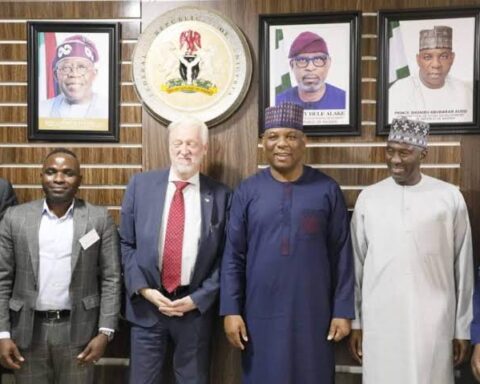
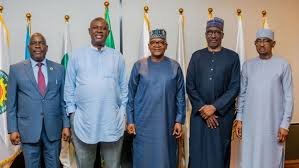
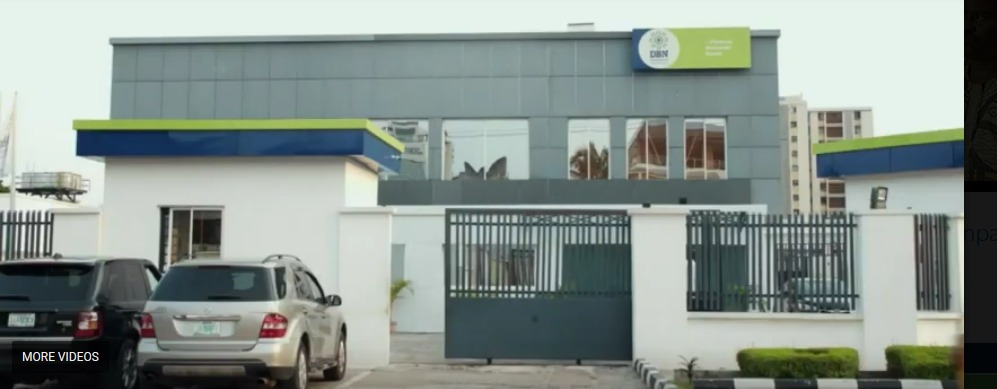
The financing agreement was announced in a statement issued by the European Investment Bank on Thursday following a signing ceremony held at the DBN office in Lagos.
According to the statement, the facility is expected to strengthen private sector development by expanding access to finance for enterprises contributing to Nigeria’s green and digital economy while supporting job creation and economic growth.
The EIB said the investment will be channelled through local financial institutions to support small-scale investments and improve financing opportunities for businesses in key sectors of the
It stated that the programme is in line with EIB Global’s strategy of supporting sustainable, inclusive and resilient economic growth in Nigeria under the European Union’s Global Gateway Initiative.
“The investment programme will boost private sector development in Nigeria through small-scale investments of enterprises contributing to Nigeria’s green and digital economy. It will support entrepreneurs and job creation by easing access to suitable finance for MSMEs and Midcaps,” the bank said.
The statement noted that the partnership will also support Nigeria’s transition to a greener economy by expanding financing opportunities for companies operating in the renewable energy and agribusiness sectors.
According to the EIB, increased funding for agriculture will help improve productivity, strengthen local supply chains and enhance food security, while financing for renewable energy firms will expand access to clean energy, reduce carbon emissions and improve climate resilience in underserved communities.
Speaking during the signing ceremony, EIB Vice-President Ambroise Fayolle said the partnership would improve the competitiveness of Nigerian businesses and promote inclusive growth.
“This partnership with the Development Bank of Nigeria will strengthen the competitiveness of Nigeria’s private sector, especially for SMEs in the green and digital sector. In supporting green projects and women entrepreneurs, we are also fostering inclusive growth and climate action. This is a powerful example of EIB’s real impact on the ground,” he said.
The Managing Director and Chief Executive Officer of the Development Bank of Nigeria, Dr Tony Okpanachi, described the facility as a major milestone in the bank’s efforts to promote sustainable economic development.
He said, “The €200m investment from EIB Global is a significant milestone in our mission to drive Nigeria’s economic growth and sustainability. By supporting local financial institutions and MSMEs in key sectors like agriculture, renewable energy, digitalisation and innovation, we’re empowering entrepreneurs and fostering a culture of sustainable innovation.”
Okpanachi added that the partnership would accelerate Nigeria’s transition to a sustainable, innovation-driven and digitally enabled economy while supporting job creation and improving livelihoods.
“This partnership underscores DBN’s commitment to accelerating Nigeria’s transition to a sustainable, innovation-driven and digitally enabled economy, creating jobs, and improving livelihoods. It aligns with DBN’s vision to support green growth and digital transformation,” he stated.
The EIB noted that it has remained a major financing partner for the private sector in sub-Saharan Africa and has invested nearly €500m in Nigeria’s financial sector to support sustainable private sector growth.
The bank further disclosed that it has committed about €2.3bn to Nigeria since it commenced operations in the country in 1978.
According to the statement, the investments have supported projects in sustainable urban transport, climate adaptation, innovation and digitalisation, agribusiness logistics, and financing for SMEs and mid-sized businesses.
The latest funding comes at a time when access to affordable financing remains a major challenge for Nigerian businesses, particularly smaller enterprises facing high borrowing costs and constrained credit conditions.