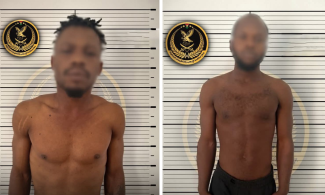
Security authorities in Libya have arrested two Nigerian nationals in the coastal town of Qarabouli over allegations that they circulated social media content deemed capable of inciting violence and criminal activities. The arrests were carried out by security forces operating in the area as part of efforts to monitor and address online activities considered harmful to public order and national security.
According to a report published by The Libya Observer on Wednesday, the two Nigerians were taken into custody following investigations into videos and other digital materials allegedly shared through social media platforms. Authorities accused the suspects of disseminating content described as having an “inciting nature,” claiming that the materials encouraged violence, promoted criminal behaviour and posed a threat to social stability.
In a statement cited by the report, Libyan security officials said the content violated existing laws governing public safety and online conduct. The authorities maintained that the materials had the potential to undermine security and create tensions within communities if left unchecked.
While details regarding the identities of the suspects were not immediately disclosed, officials indicated that investigations were ongoing to determine the full extent of their activities and whether additional individuals may have been involved. The arrests reportedly took place in Qarabouli, a coastal town located east of Tripoli, where security agencies have intensified efforts to monitor activities considered threats to public order.
The development comes amid increasing attention by governments around the world to the role of social media in shaping public opinion, mobilising groups and spreading information that could potentially trigger unrest or criminal actions. In recent years, authorities in several countries have expanded surveillance and monitoring of online platforms, arguing that digital spaces can be exploited to spread hate speech, misinformation, violent rhetoric and criminal propaganda.
Libyan security agencies have also been seeking to strengthen their response to cyber-related offences as part of broader efforts to stabilise the country after years of political and security challenges. Officials argue that preventing the spread of inflammatory content online is essential to maintaining peace and protecting citizens from activities capable of fueling violence.
According to the report, investigators reviewed the digital materials allegedly linked to the suspects before carrying out the arrests. The authorities contend that the videos and online posts were not merely expressions of opinion but content that actively encouraged unlawful conduct and threatened public safety. However, no detailed description of the specific materials involved was immediately released to the public.
The case has drawn attention within Nigerian communities abroad, particularly among migrants and workers residing in North African countries. Observers note that Nigerians constitute a significant migrant population across several African nations, where many seek employment, education and business opportunities.
The incident has also highlighted the growing legal responsibilities associated with social media use, especially in countries where laws governing online communication are strictly enforced. Legal experts point out that digital platforms have become increasingly subject to regulation, with governments introducing measures aimed at addressing cybercrime, online harassment, incitement and the spread of harmful content.
Under such regulations, individuals found guilty of violating laws related to public security may face prosecution and other legal consequences. As investigations continue, Libyan authorities are expected to determine whether formal charges will be filed against the suspects and what penalties could apply if the allegations are substantiated.
The Nigerian nationals remain in custody pending the outcome of the ongoing inquiry. Meanwhile, security officials reiterated their commitment to enforcing laws designed to safeguard public order and prevent the misuse of digital platforms. They also urged residents and foreign nationals living in Libya to exercise caution in their online activities and ensure that content shared through social media complies with the country’s legal requirements.
The arrests underscore the increasing scrutiny being placed on online communication in many parts of the world, where authorities view digital platforms as both powerful tools for communication and potential channels for activities that may threaten security and social stability.
As the case develops, attention is likely to focus on the findings of investigators and any legal proceedings that may follow, as well as the broader implications for social media users and migrant communities operating within Libya’s legal framework.