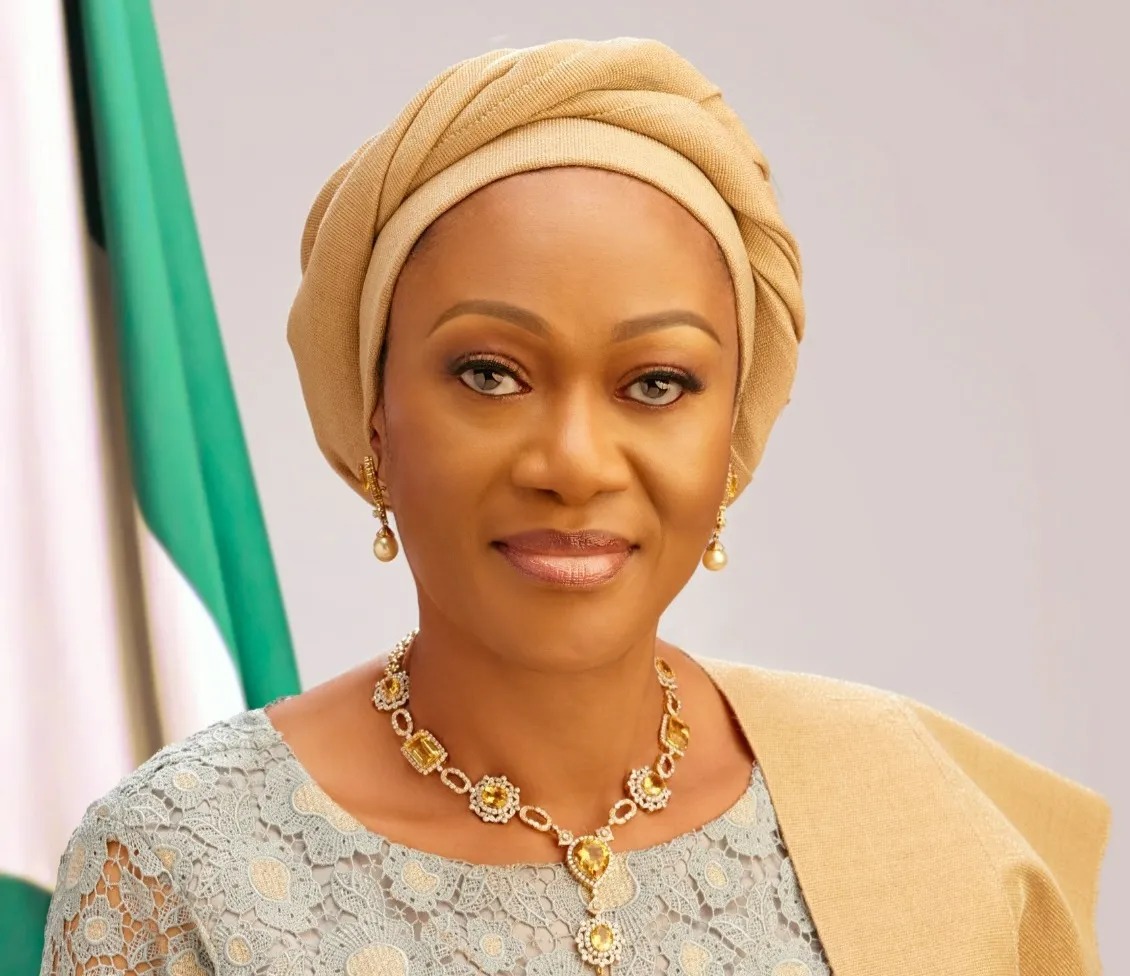
Marking World Elder Abuse Awareness Day, the First Lady delivered a powerful address at the national advocacy summit, calling on lawmakers, community leaders, and families to strengthen legal protections and social safety nets for the nation’s aging population.
Speaking at a national advocacy summit, she emphasized that elder abuse remains a pervasive but frequently hidden crisis, exacerbated by social isolation and a lack of public awareness.
”Our seniors spent their lives building the communities we thrive in today,” the First Lady said. “To allow them to suffer in silence from neglect, exploitation, or abuse is a profound moral failure. We must bring this issue out of the shadows and treat it with the urgency it demands.”
According to recent data, approximately 1 in 10 Americans over the age of 60 experiences some form of elder abuse each year, ranging from financial scams and psychological manipulation to physical neglect. Experts note that the actual numbers are likely much higher, as many victims are hesitant to report abuse due to shame, fear of retaliation, or cognitive decline.
The First Lady highlighted the shifting tactics of modern predators, particularly the rise of sophisticated digital financial scams targeting older adults’ life savings.
To combat these growing threats, the First Lady outlined a multi-pronged approach focused on legislative action, community policing, and increased funding for adult protective services.
The first lady Called for bipartisan support to pass tougher federal and state penalties for perpetrators of elder fraud and physical abuse and increasing resources for local social workers and healthcare providers to spot the early warning signs of abuse.
Expanding funding for community centers and outreach programs designed to keep seniors socially engaged and less vulnerable to isolation.
Closing her remarks, the First Lady urged everyday citizens to keep a closer eye on elderly neighbors and family members, reminding the audience that government intervention is only part of the solution.
”Protection begins with connection,” she stated. “A simple phone call or a regular visit can be the shield that keeps a senior safe. Let us honor their legacy not just with our words, but with our vigilance.”
The White House later announced a series of upcoming regional workshops aimed at educating seniors and their caregivers on how to identify and report financial scams and domestic neglect.