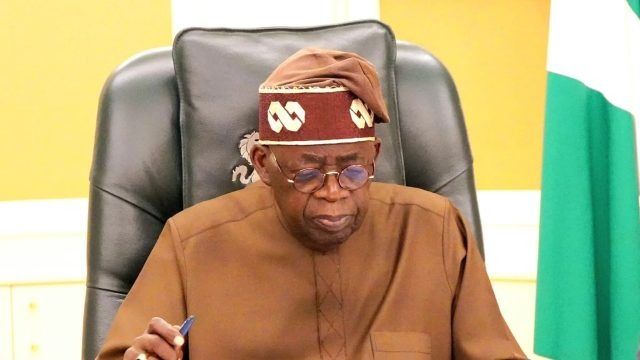
The Federal Government on Tuesday acknowledged that inflation and insecurity remain major challenges confronting Nigerians, even as it defended the economic reforms introduced by the administration of President Bola Tinubu over the past three years.
The government said although citizens are still grappling with economic hardship and security concerns, recent economic indicators show signs of gradual improvement in critical sectors of the economy.
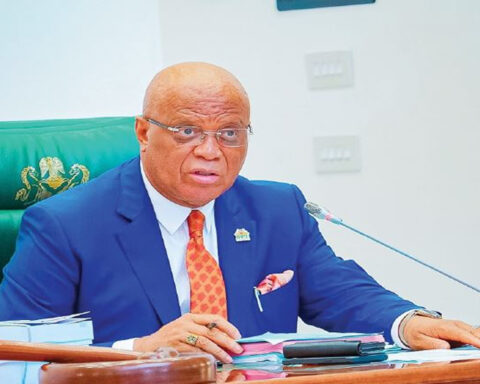
Speaking during a press conference in Abuja to mark the 2026 Democracy Day celebration, the Secretary to the Government of the Federation, George Akume, stated that the administration was fully aware of the pains experienced by Nigerians as a result of ongoing reforms.
Akume, however, maintained that the policies were necessary steps aimed at stabilising the economy and laying the foundation for long-term national growth and development.
“The government, though with all hands on deck, would never claim that every challenge has been solved,” the SGF said during the briefing attended by members of the Federal Executive Council.
“While we pursue various reforms diligently, with purpose and with compassion, the government recognises that inflation has been painful, though it is on a downward trend. Government is similarly conscious of the fact that insecurity still threatens lives and livelihoods.”
The press conference formed part of activities lined up to commemorate 27 years of uninterrupted democratic governance in Nigeria and also served as what Akume described as an accountability exercise by the administration midway into its first term in office.
According to the SGF, the Tinubu administration remains committed to implementing reforms designed to reposition the country’s economy despite the short-term difficulties associated with some of the policies.
He explained that the government inherited significant economic and structural challenges which required bold and sometimes difficult decisions to address.
Among the major reforms introduced by the administration are the removal of fuel subsidy, foreign exchange market reforms, fiscal adjustments, and efforts aimed at boosting revenue generation and attracting investment.
While these policies have attracted criticism from several quarters due to rising living costs, the Federal Government insists they are necessary for economic sustainability and national recovery.
Akume said the administration was encouraged by what he described as positive signals emerging from various sectors, including improvements in revenue performance, infrastructure development, investor confidence, and economic stability indicators.
He noted that the government was working to ensure that the benefits of the reforms gradually translate into improved living conditions for citizens across the country.
The SGF also stressed that the administration was not insensitive to the suffering of Nigerians and had continued to introduce social intervention programmes aimed at cushioning the effects of economic hardship.
According to him, efforts are ongoing to support vulnerable groups, strengthen food security, improve public transportation, and create more economic opportunities for citizens.
On the issue of insecurity, Akume acknowledged that security challenges remain a serious concern, particularly in areas affected by banditry, terrorism, kidnapping, and communal violence.
He said the Federal Government was intensifying collaboration among security agencies and investing in improved security infrastructure to tackle threats across the country.
The SGF maintained that the administration remained determined to protect lives and property while restoring peace and stability in troubled regions.
He also used the occasion to highlight what he described as the resilience of Nigeria’s democratic system over the last 27 years, noting that despite political and economic challenges, democratic governance has continued uninterrupted since 1999.
According to him, Democracy Day provides an opportunity not only to celebrate democratic progress but also to assess the nation’s journey and hold leaders accountable for their stewardship.
Members of the Federal Executive Council who attended the briefing reportedly outlined achievements recorded in their various ministries and sectors since the current administration assumed office.
Government officials at the event reiterated their commitment to transparency, accountability, and sustained reforms aimed at repositioning Nigeria for long-term prosperity.
Political observers say the government’s acknowledgment of inflation and insecurity reflects growing pressure on the administration amid widespread concerns over rising food prices, cost of living, and persistent security threats in several parts of the country.
Many Nigerians have continued to express frustration over economic hardship, while labour unions, civil society organisations, and opposition parties have repeatedly called on the government to implement stronger measures to ease the burden on citizens.
Despite the criticism, the Federal Government insists that the ongoing reforms are beginning to yield results and that the administration remains focused on building a more stable and prosperous economy.
As the country marks another Democracy Day anniversary, analysts say public expectations remain high for tangible improvements in security, economic stability, employment, and living standards in the months ahead.