A severe healthcare crisis is gripping public hospitals across Ondo, Osun, and Ekiti states, leaving thousands of patients stranded, unattended, and forced to buy basic medical supplies from expensive private pharmacies.
An investigation into state-owned specialist and general hospitals has revealed a system on the brink of collapse, driven by a massive brain drain of medical professionals popularly known as the Japa syndrome and a chronic shortage of essential medications.
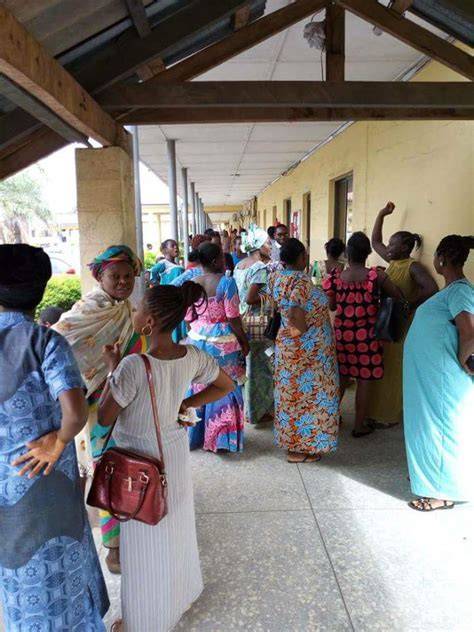
In several hospitals visited across the three states, patients and their relatives expressed deep frustration over the persistent lack of drugs. Routine medications, consumables like syringes and hand gloves, and even critical emergency drugs are reportedly out of stock in government-run pharmacies.
”You come to a government hospital expecting cheaper care, but they write everything on a piece of paper for you to buy outside,” said Mrs. Funmilayo Adebayo, whose mother is currently admitted at a state hospital in Osun State. “From hand gloves to drip sets and basic painkillers, the hospital pharmacy has nothing. We are spending three times what we budgeted.”
Hospital sources, speaking on the condition of anonymity, revealed that government revolving-drug funds have been depleted, leaving management unable to restock essential medicines.
Beyond the empty pharmacy shelves, a crippling shortage of manpower has stretched the remaining healthcare workers to their breaking points.
At the State Specialist Hospital in Akure, Ondo State, and the Ekiti State University Teaching Hospital (EKSUTH) in Ado-Ekiti, waiting times have skyrocketed. Patients routinely arrive as early as 5:00 AM, only to see a doctor late in the afternoon—if they are seen at all.
”We are working under intolerable conditions,” a resident doctor in Ekiti shared. “More than half of our colleagues have left for the UK, Canada, or Saudi Arabia in the last two years. Those of us left behind are doing the work of four people. We are exhausted, and the patients are bearing the brunt of our fatigue.”
Civil society organizations and medical unions are warning that if immediate action is not taken, the mortality rate in the region will spike as vulnerable citizens can no longer afford private healthcare alternatives.
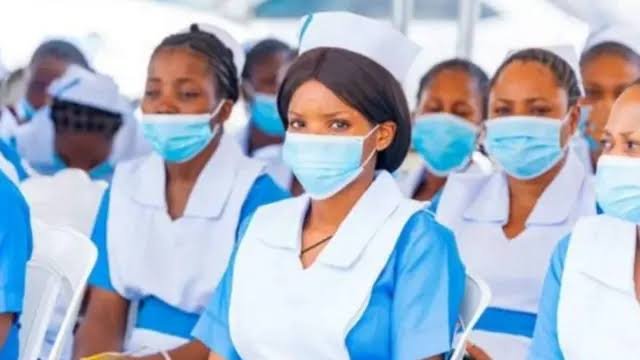
The National Association of Nigerian Nurses and Midwives (NANNM) and the Nigerian Medical Association (NMA) have repeatedly called on the governors of Ondo, Osun, and Ekiti states to implement better welfare packages, hazard allowances, and aggressive recruitment drives to replace departed staff.
Until those structural changes are made, the hallways of these apex hospitals remain filled with weary patients, waiting for drugs that aren’t there and doctors who have already left.