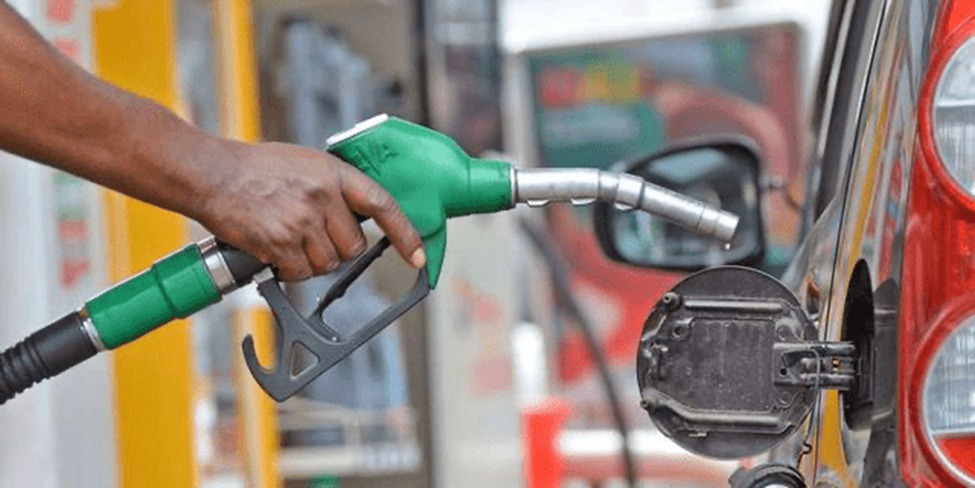
A damning new economic report detailing a staggering 643% increase in petrol prices over the last three years has ignited a firestorm across Nigerian social media platforms, pushing citizens past the brink of economic frustration into a state of collective, dark humor.
The report, which tracks the astronomical rise of Premium Motor Spirit (PMS) since the historic removal of the fuel subsidy, has become the number one trending topic on X (formerly Twitter), Instagram, and TikTok. For millions of Nigerians already battling hyperinflation, the numbers have merely quantified the daily financial exhaustion they feel at the pumps.
According to data circulating online, the average price of a liter of petrol has mutated from a pre-2023 average of roughly ₦185 to prices now hovering between ₦950 and ₦1,200, depending on the state and fueling station.
The ripple effect on the cost of living has been catastrophic; from transportation, food and commodities, accommodation and cost of running businesses.
Micro-businesses that rely heavily on small petrol generators (“I pass my neighbor”) to beat the country’s erratic power grid report that running costs are now completely unsustainable.
In typical Nigerian fashion, the digital space has responded to the grim reality with a wave of satire, memes, and viral videos, using humor as a coping mechanism for severe financial strain.
On TikTok, videos of citizens “praising” their bicycles and horses have garnered millions of views. One viral comedy skit depicts a man proposing to his girlfriend not with a diamond ring, but with a 5-liter jerrycan of fuel.
”We have officially transitioned from ‘Fuel is scarce’ to ‘Fuel is a luxury item,'” tweeted one prominent X user. “At 643% increase, buying a full tank is now a status symbol. If you see anyone with a full tank in Lagos, please accord them the respect due to a billionaire.”
”What we are seeing is the systemic erosion of purchasing power,” says Dr. Abiodun Sanusi, an Abuja-based economic analyst. “When energy costs rise this drastically over a short period, it triggers a chain reaction. Wages have remained largely stagnant while the primary driver of the economy—fuel—has become nearly seven times more expensive. The current social media outrage is a clear warning sign of deep economic fatigue.”
As labor unions and civil society groups hint at potential showdowns over the continuous rise in the cost of living, the government faces mounting pressure to deliver tangible palliatives. For now, Nigerians continue to navigate the grueling economic landscape, one expensive liter—and one viral meme—at a time.