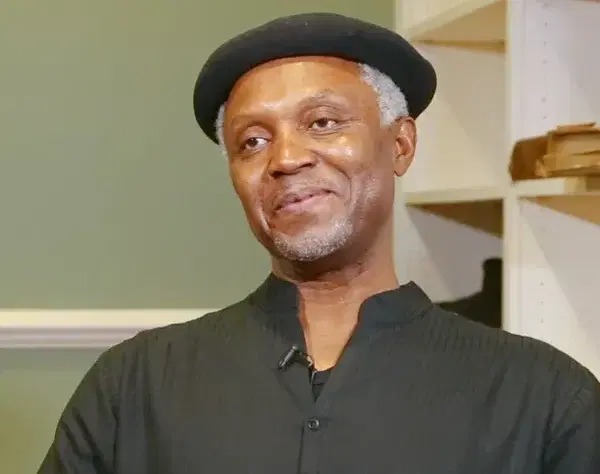
The Department of State Services has denied reports circulating on social media and some online platforms alleging that renowned writer and academic, Okey Ndibe, was arrested or detained at the Murtala Muhammed International Airport on June 1, 2026.
In a statement released on Tuesday, the secret police described the reports as inaccurate and misleading, insisting that its interaction with the scholar at the airport was part of a routine administrative process related to the review of existing security watchlists.
The statement was signed by the Deputy Director of Public Relations and Strategic Communications of the agency, Favour Dozie.
According to the DSS, at no point was Ndibe arrested, detained or subjected to any form of harassment by operatives of the Service.
“The Department of State Services hereby clarifies that it did not arrest or detain Prof Okey Ndibe at Murtala Muhammed International Airport on June 1, 2026 or any other place on that date for that matter,” the statement read.
The agency explained that the current Director-General of the DSS had, upon assuming office, directed a comprehensive review of old Watch-List Actions within the Service’s database.
It noted that some of the watchlist entries being reviewed dated back several decades, including periods under military administrations, and may no longer reflect current realities.
According to the DSS, the exercise was initiated to prevent innocent citizens from facing unnecessary embarrassment, delays or inconvenience arising from outdated security alerts.
The Service stated that the review process involves routine engagements with individuals whose names may still appear on old records, stressing that such interactions should not be interpreted as arrests or detentions.
The clarification follows public reactions and media reports suggesting that Ndibe had been apprehended by security operatives shortly after arriving in Lagos.
The reports generated widespread discussion online, with many Nigerians expressing concern over the treatment of intellectuals, journalists and public commentators by security agencies.
However, the DSS insisted that its actions were purely procedural and part of ongoing internal reforms aimed at modernising its operations and improving public confidence.
The agency further stated that the ongoing review of watchlists was intended to align security operations with democratic principles and respect for citizens’ rights.
It added that the Service remains committed to carrying out its constitutional responsibilities professionally while avoiding actions that could unfairly stigmatise law-abiding Nigerians.
Observers say the DSS statement appears aimed at calming public anxiety and correcting narratives that portrayed the encounter as politically motivated.
Ndibe, a respected academic and public affairs commentator, is widely known for his writings on governance, democracy and social issues in Nigeria and beyond.
Over the years, he has built a reputation as a vocal intellectual whose commentaries often address issues of accountability, national development and civil liberties.
The incident has once again drawn attention to the existence of long-standing security watchlists in Nigeria and the implications such records may have for citizens travelling through airports and other points of entry.
Security analysts note that while watchlists are commonly used by intelligence agencies around the world for national security purposes, outdated or improperly managed records can create controversies and lead to concerns about transparency and citizens’ rights.
The DSS, however, maintained that the current leadership is taking deliberate steps to reform outdated procedures and ensure that security measures do not unnecessarily inconvenience innocent individuals.
The agency also called for responsible reporting and urged the public to avoid spreading unverified claims capable of generating panic or misunderstanding.
As reactions continue to trail the development, many Nigerians are closely watching the ongoing reforms within the DSS and the broader relationship between security agencies and civil society in the country.