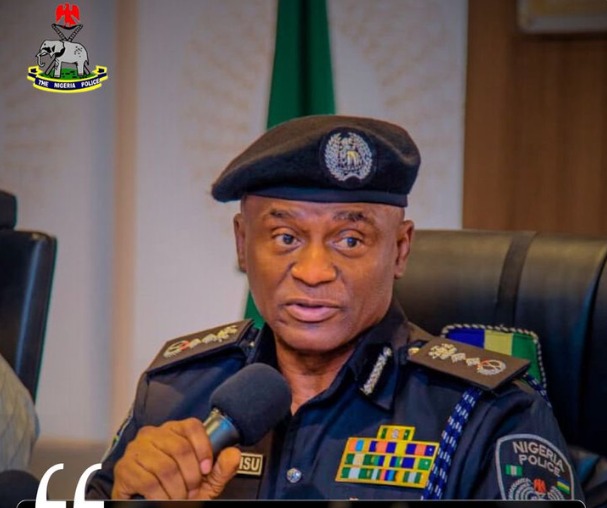
The IGP cautioned content creators, social media users, and the general public against the indiscriminate recording and sharing of police-related videos. He emphasized that posting such footage online out of context or recycling manipulated, older videos can undermine national security, mislead the public, and demoralize officers operating in high-risk environments.
When law enforcement officials issue warnings about filming, they typically point to a few specific concerns; Live-streaming or posting ongoing security operations can inadvertently tip off suspects, compromise tactical positions, or put officers and bystanders in physical danger.
Short, edited, or highly localized clips shared on social media often lack context. This can lead to rapid misinformation, unnecessary panic, or the unfair vilification of an officer acting lawfully within a high-stress situation.
A major concern for police departments is the “recycling” of old footage presented as a new, breaking incident, which can artificially spike community tensions.
Agencies like the Nigeria Data Protection Commission (NDPC) have also clamped down on content creators who film unsuspecting citizens or officers in public spaces purely for entertainment or social media “clout” without consent.
Civil rights advocates, journalists, and legal frameworks strongly defend the right to record in public. Publicly recorded videos have historically been crucial tools for exposing police misconduct, ensuring transparency, and protecting citizens’ civil liberties.
In many jurisdictions, courts have repeatedly affirmed that citizens have a constitutional right to record public officials, including police officers, while they are performing their duties in public spaces. As long as the person filming is not physically obstructing or interfering with law enforcement actions, the act of recording itself is generally legal.