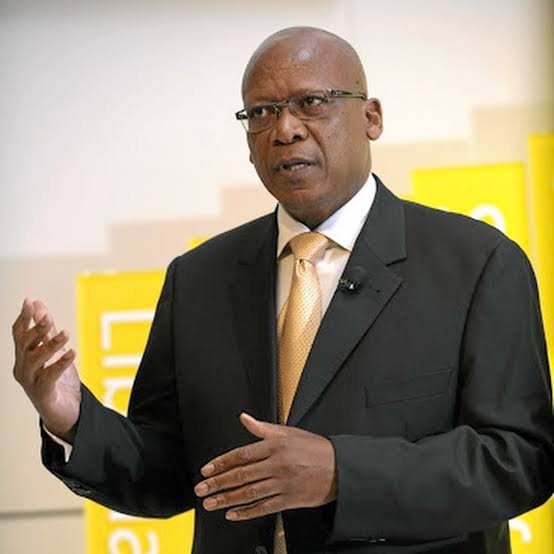
Former Minister of Science and Technology, Prof. Barth Nnaji, says industrialisation in Nigeria is achievable through innovation, indigenous technology and active involvement of academics in solving societal problems.
Nnaji, Founder of Geometric Power Ltd., said this at the inauguration of the Science, Technology and Innovation Forum (STIF) held at the Nnamdi Azikiwe University, Awka on Friday.
The theme of the lecture was “Development of Aba Integrated Power Project: Challenges and Success”.
He urged professors and researchers not to restrict themselves to classrooms, but to engage in industrialisation and innovation capable of addressing societal challenges.
Nnaji noted that the STIF, should be made vibrant to enable it lobby and engage federal and state governments on policies relating to science, technology and innovation development.
“It is very difficult to get top academics to form a forum to look at critical policies for Nigeria and push them forward for government consideration.
“The Aba Integrated Power Project is being used as a case study on how to navigate the Nigerian investment environment for critical infrastructure projects, especially electricity.
“My story shows that resilience and perseverance, in spite of challenges, are necessary to achieve success,” he said.
Nnaji stressed the need for academics and innovators to believe in indigenous capacity and develop innovative spirits capable of stimulating technological advancement.
He said the project also highlighted the importance of privatisation support, multilateral financing and adequate infrastructure in sustaining industries and preventing collapse.
The former minister noted that financial support remained critical to investments in science and technology.
Speaking on challenges facing the power sector, Nnaji said turbine maintenance remained difficult because major repairs known as “C-checks” could only be carried out outside Africa, particularly in Italy.
“We need to establish such maintenance facilities in Nigeria because turbines are huge machines that are difficult to move around,” he said.
He commended scientists, technologists and innovators for coming together to formulate policies that could be forwarded to government for consideration.
Also speaking, Prof. Chidi Akujor, Chairman of the STIF Scientific Steering Committee, said the South-East had a rich history of science, technology and innovation.
According to him, cities such as Aba, Nnewi and Obosi have many young people involved in local manufacturing and innovation without depending on imported products.
“Young people in these areas are solving economic problems through innovation, even without formal university education,” he said.
Akujor said the forum would establish comprehensive science, technology and innovation policies and development strategies tailored to the peculiar needs of the south east, south south and eventually, Nigeria at large.
In his remarks, Prof. Augustine Chukwude, Secretary of STIF, described the forum as a non-profit organisation aimed at bringing together scientists, technologists and innovators from the South-East and South-South regions.
He said the forum would provide opportunities for collaboration, exchange of ideas and development of strategies for regional and national transformation.
Chukwude added that membership of the forum was open to young and elderly scientists and innovators across the country.
Earlier, Prof. Theresa Obiekezie, Chairperson of the Local Organising Committee, said the inauguration of the forum would encourage science students to become more creative and innovative.
She appreciated Emeritus Prof. Alex Acholonu and Prof. Augustine Esogbue for travelling from the United States to support the forum and ensure its success.