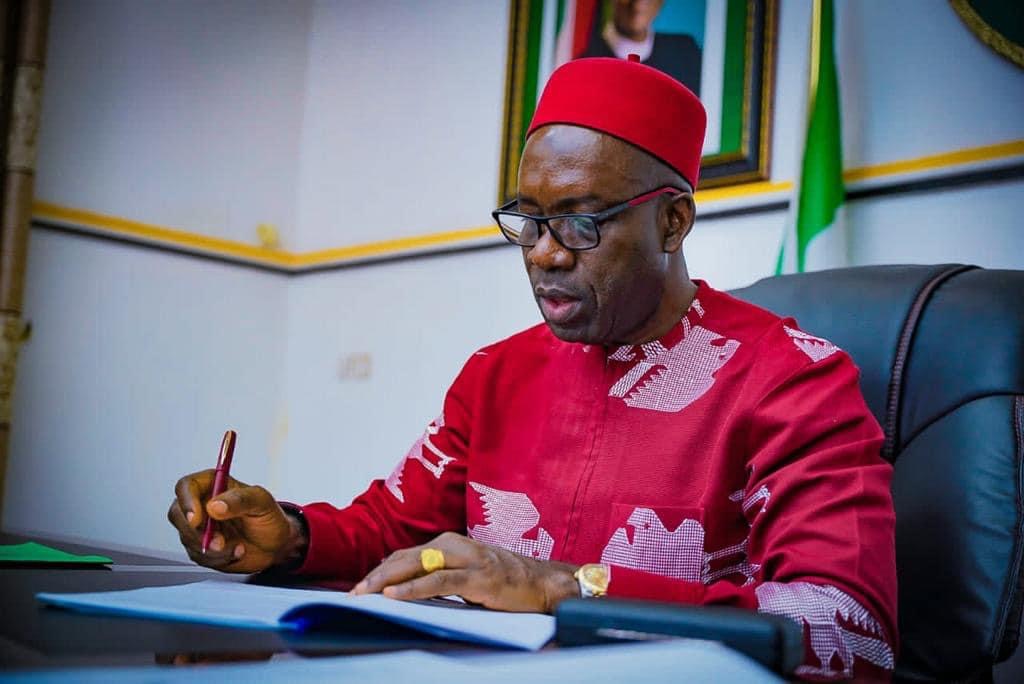
The Anambra State Government has commenced Governor Chukwuma Soludo’s second term with a strong policy direction aimed at tightening revenue collection and promoting transparency in governance, as the State Executive Council held its first meeting since the inauguration of the governor’s new administration.
The meeting, which took place on Monday at the Light House in Awka, brought together newly sworn-in commissioners and senior government officials to deliberate on major policy decisions expected to shape the administration’s agenda in the coming years.
One of the most significant resolutions reached during the meeting was the immediate enforcement of a strict cashless tax payment system across the state. The government declared that all forms of cash collection for taxes and government-related payments remain prohibited and warned that violators would face severe sanctions.
The development was disclosed in a press statement issued on Tuesday by the Commissioner for Information, Law Mefor, who explained that the move forms part of the government’s wider strategy to strengthen accountability, eliminate leakages in revenue generation, and improve transparency in public finance management.
According to Mefor, the administration is determined to end every form of illegal cash handling associated with tax collection and government transactions in the state.
He stressed that individuals or agents found collecting taxes in cash would be treated as offenders and subjected to harsh penalties in line with the government’s directive.
“The Anambra State Government reiterates that cash collection for tax payments remains prohibited. Defaulters and anyone caught violating the directive will face severe punishment,” the statement noted.
The commissioner explained that the cashless enforcement policy is designed to ensure that all tax payments are made directly through approved electronic channels in order to reduce fraud, curb extortion, and ensure accurate monitoring of government revenue.
The policy is also expected to strengthen confidence among taxpayers and investors by creating a more organised and transparent financial system within the state.
Observers say the latest move reflects Governor Soludo’s continued push toward digitisation and modernisation of government processes since assuming office. The former Governor of the Central Bank of Nigeria has consistently advocated reforms focused on technology-driven governance, economic planning, and improved public sector efficiency.
During his first term, the Soludo administration introduced several reforms targeted at boosting internally generated revenue, improving infrastructure, enhancing security coordination, and transforming urban development across major towns in the state.
Political analysts believe the fresh emphasis on cashless tax enforcement signals the administration’s intention to deepen fiscal discipline and block revenue leakages often associated with manual tax collection systems.
The government has repeatedly warned residents against making payments to unauthorized agents or individuals claiming to represent state authorities. Citizens were advised to demand official electronic payment channels and valid receipts for all transactions relating to taxes, levies, and government charges.
The Executive Council meeting also marked the formal beginning of the governor’s renewed policy drive following the inauguration of his second-term cabinet. Many of the newly appointed commissioners were sworn in recently as part of efforts to reposition the administration for another phase of governance.
Sources within the government said the council deliberated on multiple development priorities, including urban renewal projects, revenue reforms, infrastructural expansion, education, healthcare, and security initiatives expected to be rolled out during the administration’s second tenure.
Supporters of the governor have described the immediate focus on revenue transparency as a bold step toward strengthening institutional governance and preventing corrupt practices within the state’s tax administration system.
However, some residents and business operators are expected to closely monitor how the policy will be implemented, particularly in rural communities and informal sectors where electronic payment adoption remains relatively limited.
Economic experts have noted that while cashless tax systems can improve transparency and accountability, successful implementation would require widespread public sensitisation, accessible digital payment infrastructure, and strict monitoring to prevent exploitation by fraudulent agents.
As the Soludo administration settles into its second term, the latest Executive Council decisions suggest that the government intends to pursue aggressive reforms aimed at modernising governance structures and strengthening financial accountability across Anambra State.