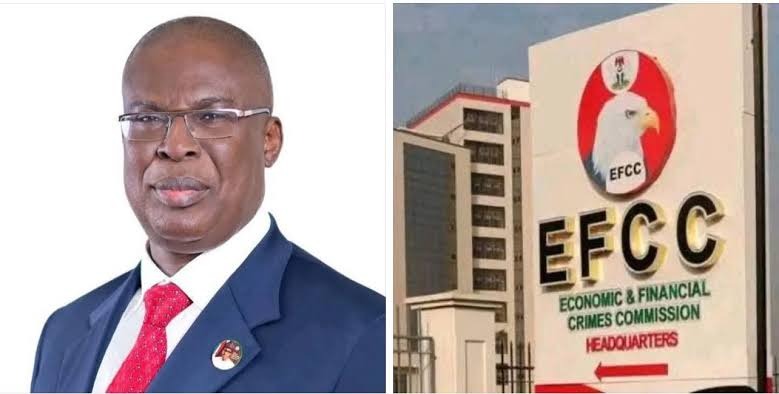
A Federal High Court sitting in Abuja has adjourned further hearing in the case filed by the Economic and Financial Crimes Commission seeking the forfeiture of nine properties allegedly linked to former Bayelsa State Governor, Timipre Sylva.
Justice Obiora Egwuatu adjourned the matter till July 16 after counsel to the EFCC, Oluwaleke Atolagbe, informed the court that the commission had not yet filed a report of compliance with an earlier interim forfeiture order granted by the court.
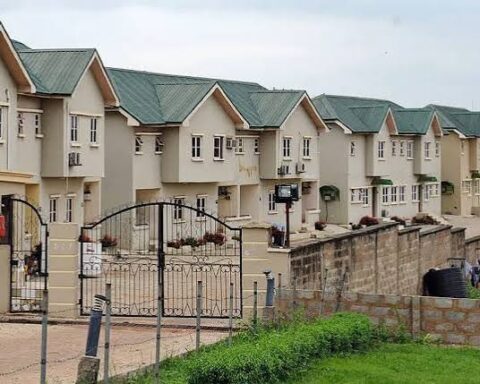
The anti-graft agency is seeking the permanent forfeiture of nine buildings located in high-value areas of Abuja, which it alleged are connected to the former governor.
The case, marked FHC/ABJ/CS/607/2026, is part of the EFCC’s ongoing efforts to recover assets suspected to have been acquired through unlawful means.
At the resumed proceedings yesterday, Atolagbe told the court that the commission required more time to comply fully with the directives earlier issued by the court regarding publication of the interim forfeiture order.
Following the submission, Justice Egwuatu subsequently adjourned the matter to allow the commission complete the required processes before further proceedings can continue.
The judge had earlier, on April 24, granted an ex parte application filed by the EFCC seeking an interim order forfeiting the nine properties to the Federal Government pending the final determination of the suit.
The court had also directed the anti-corruption agency to publish the interim forfeiture order in two national newspapers within seven days after obtaining the Certified True Copy of the ruling.
According to the order, the publication was intended to notify any interested persons or parties connected to the properties to appear before the court within 14 days and show cause why the assets should not be permanently forfeited to the Federal Government.
Legal analysts explained that interim forfeiture orders are usually temporary measures designed to preserve disputed assets pending the conclusion of investigations or legal proceedings.
Under Nigerian law, anti-corruption agencies such as the EFCC are empowered to seek court orders for the seizure and forfeiture of assets suspected to be proceeds of crime.
The properties at the centre of the case are reportedly located in upscale districts of Abuja, although details of the specific locations and estimated values were not fully disclosed during proceedings.
The case has continued to attract public attention because of the high-profile status of the individuals involved and the growing focus on anti-corruption enforcement in Nigeria.
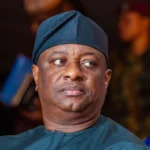
Timipre Sylva, who previously served as governor of Bayelsa State and later held ministerial positions at the federal level, has remained a prominent figure in Nigerian politics over the years.
The EFCC has intensified efforts in recent years to trace and recover assets allegedly linked to corruption, financial crimes, abuse of office, and money laundering.
Observers note that the use of civil forfeiture proceedings has become one of the major legal strategies employed by the commission in pursuing suspected illicit assets.
Meanwhile, legal practitioners say the adjournment does not amount to a determination of guilt or liability, stressing that the court process is still at the preliminary stage.
They explained that interested parties would still have the opportunity to challenge the forfeiture request or provide explanations regarding ownership and acquisition of the properties.
The matter is expected to resume on July 16 when the court will review the EFCC’s compliance with its earlier directives and consider any responses from interested parties.
The outcome of the case could further shape ongoing debates about transparency, accountability, and the recovery of allegedly illicit assets in Nigeria’s anti-corruption campaign.
As the proceedings continue, attention will remain focused on whether the anti-graft agency can secure a final forfeiture order against the properties or whether legal challenges from affected parties may alter the course of the case.