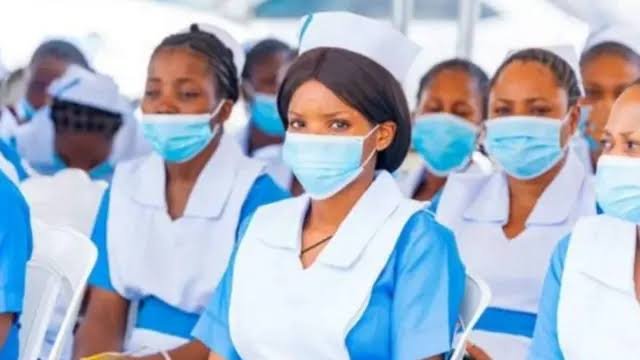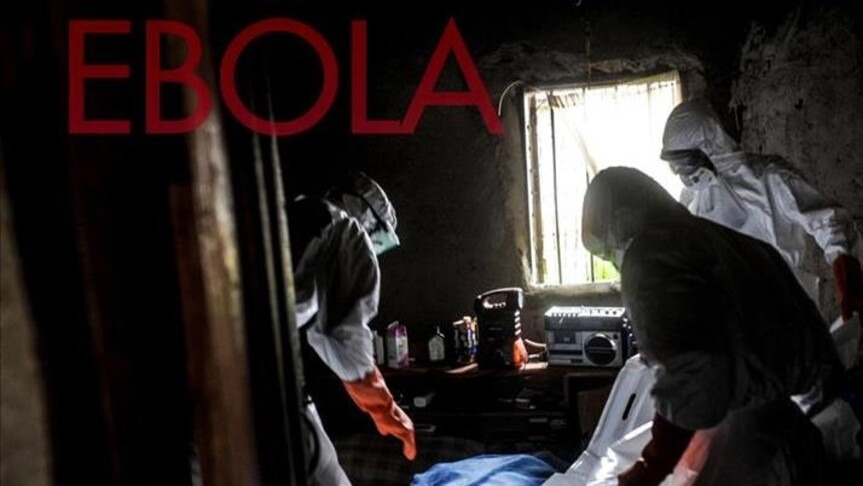
The UN says social dynamics driving Ebola transmission could leave women disproportionately affected, as they have in previous Ebola outbreaks.
“Women are more likely to be infected in the first place,” Sofia Calltorp, UN Women’s Chief of Humanitarian Action, said.
During the 2018 to 2019 Ebola outbreak in the Democratic Republic of the Congo (DRC), women and girls accounted for roughly two-thirds of reported cases.
“This is because Ebola transmission follows social realities,” Calltorp said.
“The virus spreads along the lines of caregiving, domestic labour, frontline health work, and burial practices.”
Pregnant women face particular risks, she added, while quarantines can increase gender-based violence.
Amid the fast-growing Ebola outbreak spread, the World Health Organisation (WHO) said it had deployed 22 international staff to the field and released 3.9 million dollars from its contingency fund.
The global health body also announced that a continental incident management team is being established with the Africa Centres for Disease Control and Prevention.
The agency and its partners are also accelerating work on experimental vaccines and therapeutics for the Bundibugyo strain, it said.
WHO Secretary General Tedros Ghebreyesus said the agency’s research advisory group had recommended prioritising two monoclonal antibodies for clinical trials.
This is in addition to testing the antiviral drug obeldesivir for high-risk contacts.
The WHO chief also underscored the importance of restoring confidence.
“Building trust in the affected communities is critical to a successful response, and is one of our highest priorities,” he said.
Multiple UN agencies are responding simultaneously to contain the spread of the disease.
WHO has raised Ebola risk in DRC to “very high” while regional risk remains “high” and global risk “low”
WHO health teams are also supporting contact tracing, treatment centres, risk communication and community engagement.
The UN Children’s Fund has also sent emergency response team to support field operations.
The UN relief agency has allocated up to 60 million dollars for the response in DRC and neighbouring countries.
The UN Organisation Stabilisation Mission in DRC (MONUSCO) has freighted nearly 30 tons of emergency supplies, including medicines, tents, and protective equipment.
The UN peacekeeping mission also runs an air bridge and deploys vehicles to strengthen logistics.
The Red Cross volunteers are also conducting door-to-door awareness campaigns and mobilising for safe and dignified burial procedures.