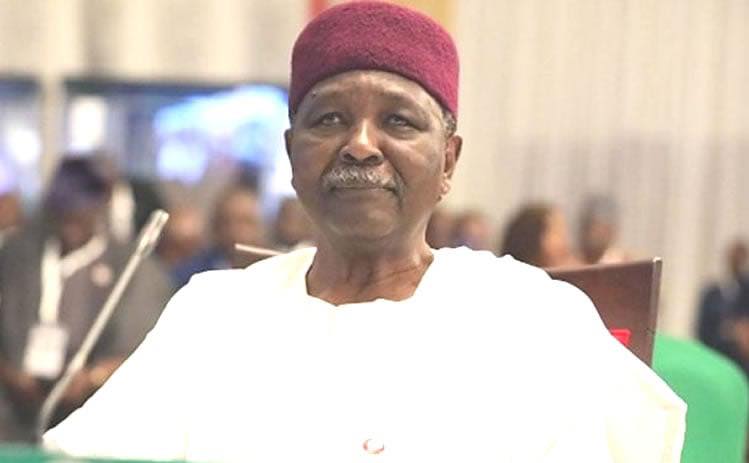
The release of General Yakubu Gowon’s autobiography, “My Life of Duty and Allegiance,” in May 2026 has sparked significant debate across Nigeria. While the book was intended to “set the record straight” and provide a first-hand account of his leadership, several specific revelations have reignited old tensions.
The Aburi Accord & the “Misled East”: One of the most contentious claims in the book is Gowon’s assertion that the people of the Eastern Region were “misled” by Chukwuemeka Odumegwu Ojukwu regarding the terms of the Aburi Accord. This has drawn sharp criticism from those who view the Accord’s failure as a result of the Federal Government’s reneging on agreed terms.
Gowon claims that Ojukwu secretly “pawned” the mineral wealth of the Eastern Region to the Rothschild banking family in exchange for $10 million to fund the secessionist effort. This allegation of a “secret deal” with foreign financiers has been met with skepticism and calls for archival evidence from historians.
The book provides new details on how an arms embargo by the US and Britain forced Nigeria to turn to the Soviet Union and black-market Lebanese businessmen (specifically mentioning one Ali Jamal) to procure MiG fighter jets and bombers.
While Gowon reaffirms his commitment to his famous post-war reconciliation policy, critics argue that the book glosses over the economic marginalization of the Igbo people (such as the £20 policy) and the long-term trauma of the war, which they feel contradicts the “humane” image he portrays.
The controversy is amplified by the massive political and financial support the book received at its Abuja launch on May 19, 2026.
The event was attended by the highest levels of the Nigerian government, including Vice President Kashim Shettima (representing President Tinubu) and former President Goodluck Jonathan.
Significant donations were made to distribute the book, including ₦3 billion from former Defence Minister Theophilus Danjuma and ₦500 million from Aliko Dangote.
The timing of the book released 60 years after the 1966 coups is seen by many as an attempt by the “old guard” of the military era to solidify their version of history before the 2027 general elections. While Bishop Matthew Kukah and others have praised the book as a “masterclass in stewardship,” many younger Nigerians and activists view it as a selective memory that avoids accountability for the harsher realities of military rule.