By Agbafo Ijeoma
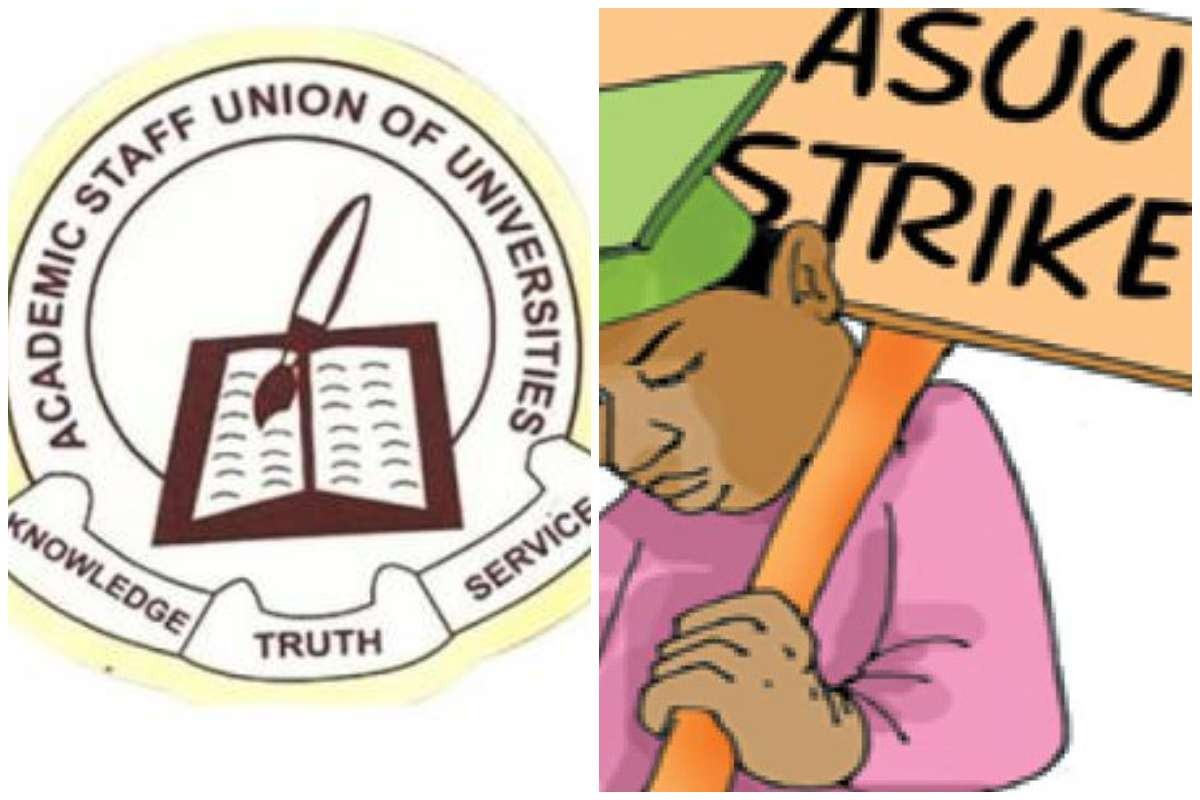
ASUU strikes have gradually become an annual festival in Nigeria’s educational sector, with students not surprised and shocked whenever another strike is announced. Nigerian students are forced to experience it almost every year.
Students have been the major victims of these recurring strikes for years. A four year course would stretch to five or even six years because of repeated disruptions in the academic calendar. These students watch their counterparts in private universities graduate on time and move on with their lives.
Some Nigerians believe the timing of the latest strike threat is politically significant, especially with the 2027 general elections approaching. In Nigeria, periods leading up to elections often come with increased pressure on the government from various sectors demanding accountability and the fulfillment of promises. As a result, many see ASUU’s renewed confrontation with the federal government as more than just another disagreement over unpaid entitlements and welfare.
Whether the case is intentional or merely coincidental, the tension between ASUU and FG once again shows how the unresolved educational issues can quickly become political matters. Millions of students and Parents/ Guardians are directly affected by every strike.
The government may face backlash if another nationwide shutdown occurs close to an election period. Some may interpret this timing of strike threat as a strategic move by ASUU to place additional pressure on the federal government, knowing that public dissatisfaction during an election season could force quicker actions and response from the Federal Government.
Parents and guardians are often forced to bear additional financial burdens they never planned for due to prolonged academic delays caused by strikes. From extra accommodation costs to transportation and daily expenses, the situation becomes increasingly difficult for many families. Students who sponsor themselves through jobs or small businesses also suffer greatly, as repeated disruptions affect their financial stability, mental health, and future plans.
Students also suffer from frustration and emotional exhaustion as a result of repeated academic disruptions. In many cases, long breaks from school cause them to forget parts of what they have already learned, making it difficult to adjust when academic activities eventually resume. For some others, the uncertainty becomes discouraging enough that they eventually lose interest in continuing their education or are forced to explore alternative paths outside the university system.
In the end, the recurring ASUU strikes reflect a deeper crisis in Nigeria’s education system, one built on unresolved agreements, weak accountability, and repeated disruptions. Until lasting solutions are found, students will continue to bear the greatest burden of a conflict they did not create, yet constantly suffer from.