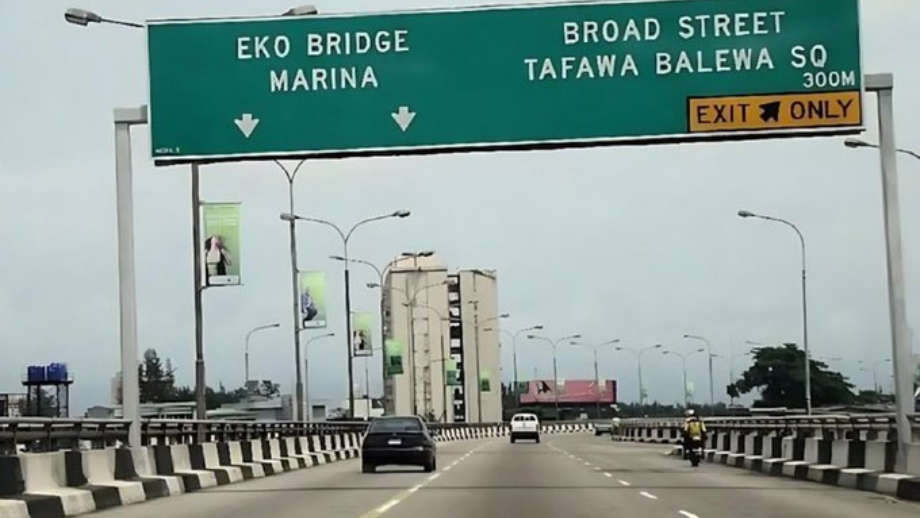
The Federal Government has announced that it will no longer shut down the Eko Bridge in Lagos State following a fresh technical assessment ordered by President Bola Tinubu which reportedly confirmed that the bridge remains safe for continued use for the time being.
The Minister of Works, Dave Umahi, disclosed the development yesterday, explaining that the earlier decision to close the bridge was prompted by concerns over visible structural cracks discovered during inspections. According to Umahi, the bridge, which was constructed between 1965 and 1975, had initially been scheduled for closure about two weeks ago to allow engineers conduct detailed structural interventions and prevent possible deterioration.
However, the minister said President Tinubu directed the ministry to carry out a fresh technical reevaluation of the bridge after considering the potential hardship the closure would impose on millions of commuters and businesses in Lagos. Umahi stated that the President was deeply concerned about the impact prolonged closure of the bridge could have on traffic movement, economic activities and daily transportation within the commercial capital.
“We directed that this bridge be closed about two weeks back, but our caring President Bola Tinubu is very much concerned about the closure of this Eko Bridge,” the minister said while explaining the government’s latest decision. He noted that engineers and technical experts subsequently conducted another round of comprehensive structural assessments on the bridge to determine its current level of safety and operational stability.
According to him, the outcome of the evaluation indicated that while certain structural concerns remain, the bridge is still safe for public use under close monitoring and controlled maintenance measures. Umahi stressed that the decision not to proceed with immediate closure does not mean the government has abandoned plans for maintenance and rehabilitation works on the aging infrastructure. Rather, he explained that authorities would adopt a phased and carefully coordinated approach that allows repair works to continue without completely shutting down the bridge and paralysing transportation activities.
The minister acknowledged that the Eko Bridge remains one of the most critical transportation corridors in Lagos, connecting major parts of the city and serving thousands of motorists daily. He said the ministry understands the strategic importance of the bridge to economic and commercial activities in the state and therefore seeks to balance public safety with the need to minimise disruption.
Umahi further assured Nigerians that the Federal Government remains committed to maintaining all major road and bridge infrastructure across the country to prevent structural failures and improve transportation safety. He stated that routine inspections and engineering assessments are being intensified nationwide, especially on older bridges and highways constructed decades ago. The minister also appealed to road users to remain patient and cooperate with traffic management authorities whenever maintenance activities become necessary.
Transportation experts have long warned about the aging condition of several major bridges and road infrastructure in Nigeria, particularly in heavily populated urban centres such as Lagos. The Eko Bridge, one of the busiest bridges in the country, has over the years undergone several rehabilitation and maintenance interventions due to wear and tear associated with heavy traffic usage. The possibility of shutting down the bridge had earlier generated anxiety among commuters, transport operators and business owners who feared that closure could worsen traffic congestion in Lagos.
Residents and motorists had expressed concerns that redirecting traffic from the bridge could place additional pressure on already congested routes within the metropolis. Analysts say the government’s decision to keep the bridge open reflects attempts to strike a balance between infrastructure safety and the economic realities of a densely populated commercial city. Infrastructure stakeholders have also emphasised the importance of continuous monitoring and preventive maintenance to avoid emergency situations that may require total shutdowns in the future.
Some experts argue that Nigeria must significantly increase investment in bridge maintenance, structural rehabilitation and modern transportation systems to address growing pressure on existing infrastructure. The Federal Government reiterated that safety remains the top priority and assured the public that authorities would continue monitoring the condition of the Eko Bridge closely. Umahi maintained that any future decision regarding restrictions or rehabilitation measures would be based strictly on technical recommendations and public safety considerations.
For now, commuters in Lagos have been assured that the bridge remains operational, even as government engineers continue to monitor its structural condition and plan long-term maintenance interventions.