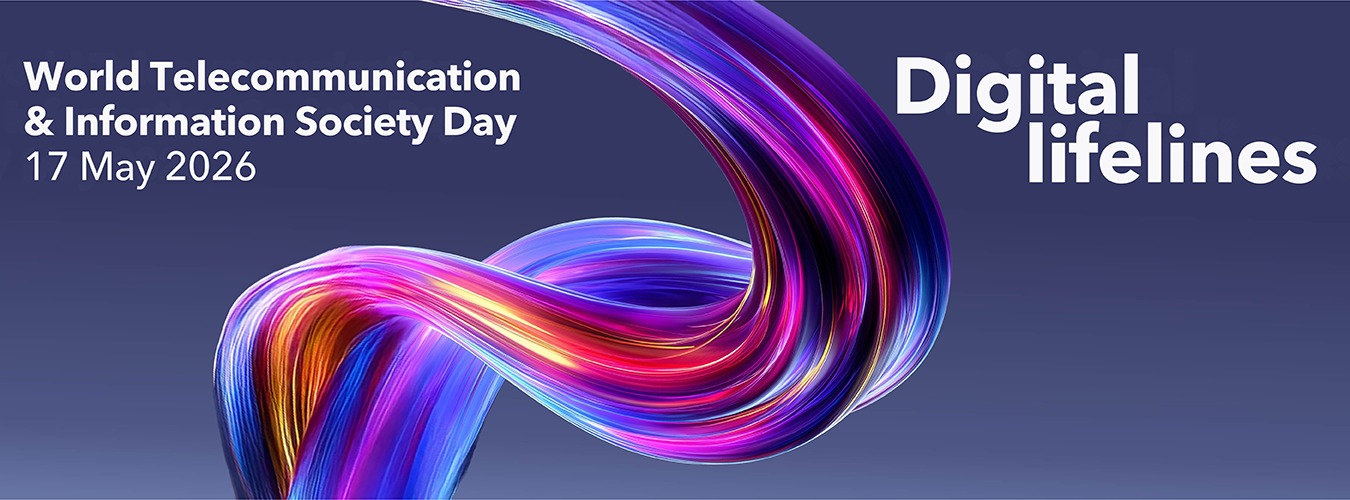
Celebrated annually on May 17, this day marks the anniversary of the founding of the International Telecommunication Union (ITU) in 1865. This year, the focus is specifically on how our digital infrastructure acts as a critical backbone for society.
The theme highlights that connectivity is no longer a luxury but a necessity for stability. “Digital Lifelines” refers to the physical and virtual systems that keep the world running, especially during crises.
Submarine cables carry over 99% of international data traffic, while satellites provide essential navigation and connectivity to remote areas.
Using mobile networks to alert communities before natural disasters strike, potentially saving thousands of lives.
Ensuring distress signals at sea or in remote areas are always received and acted upon.
Protecting the digital frameworks that manage e-commerce, public services, and financial systems from ever-evolving threats.
The ITU is calling on governments and the private sector to move from “reactive” to “resilient” infrastructure. This means building networks that can resist cyberattacks, physical damage, or climate-related disasters like extreme weather or earthquakes.
Meaning that if a network goes down, there are redundancies (like satellite backups or rerouting protocols) to restore service immediately, Ensuring the billions of people still offline aren’t left further behind during global emergencies.
The first International Telegraph Convention was signed in 1865, creating the ITU.World Telecommunication Day was first celebrated in 1969.
The UN General Assembly merged it with World Information Society Day to create the modern WTISD, reflecting the growing significance of the Internet.
This year’s theme is a timely reminder that while being “connected” is great for daily convenience, its true value lies in its ability to protect lives and maintain social order when the unexpected happens.