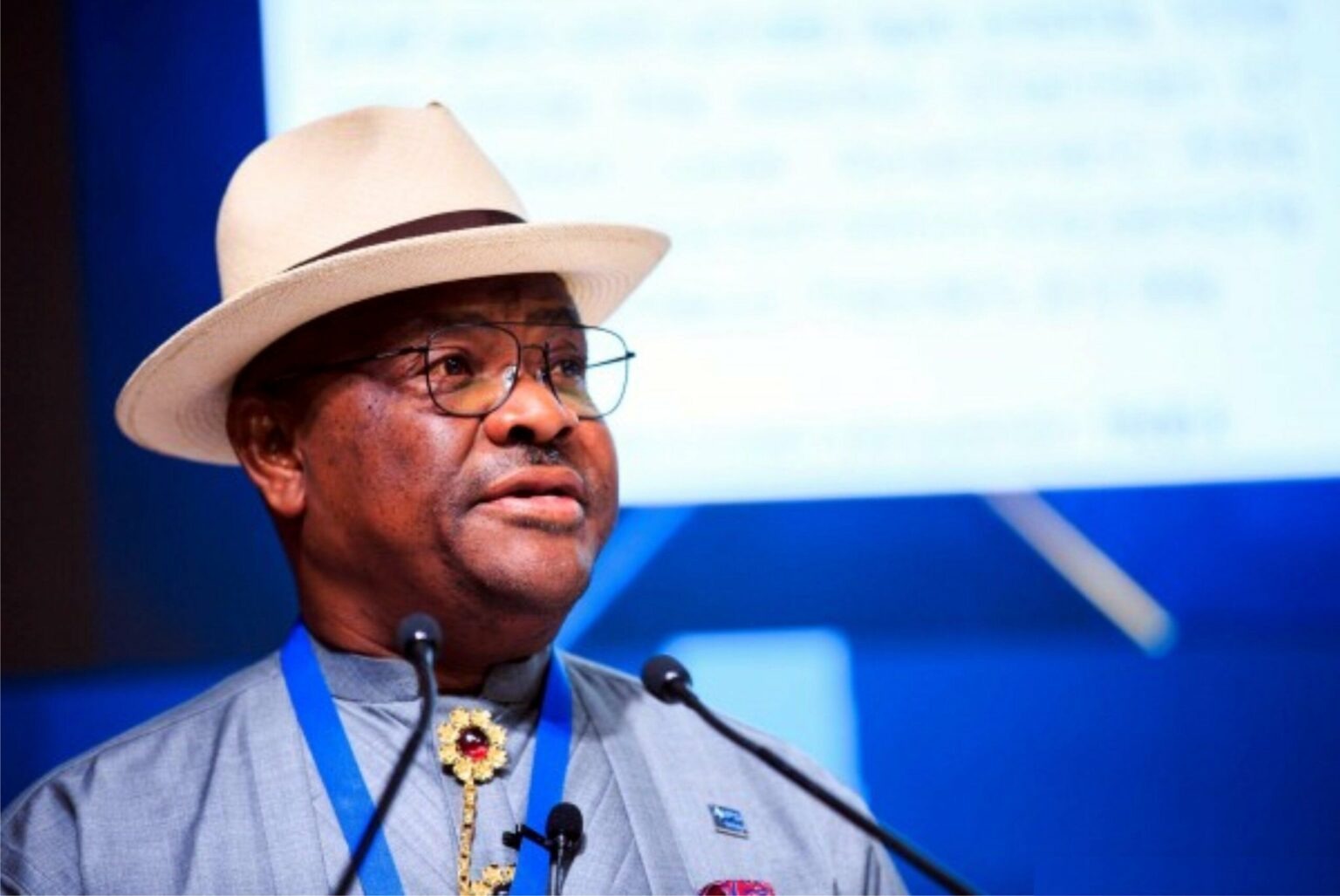
The Minister of the Federal Capital Territory, Nyesom Wike, has called on professional bodies and their leaders across Nigeria to channel more energy toward attracting meaningful development and reforms for their members instead of concentrating primarily on public criticism of government policies.
Wike made the remarks on Tuesday in Abuja while hosting delegates of the Body of Benchers, led by its Chairman, Albert Akpomudje, during a courtesy visit to his official residence in Life Camp.
The FCT minister used the occasion to reflect on leadership, legacy, and the responsibilities of those occupying positions within professional associations and institutions, stressing that impactful leadership should be measured by tangible achievements rather than frequent appearances in the media criticizing government actions.
According to Wike, leaders of professional organizations should prioritize initiatives capable of improving the welfare of their members and strengthening the institutions they represent.
He argued that history tends to remember leaders for projects completed, reforms implemented, and opportunities created rather than for repeated public commentary against authorities.
“What is leadership all about? At the end of your tenure, what will you say is your legacy?” Wike asked during the meeting.
The minister emphasized that leadership positions offer an opportunity to influence growth and development, noting that office holders should focus on building lasting structures and creating value for future generations.
He suggested that professional associations can play a more strategic role in national development by engaging constructively with government institutions and advocating policies that bring direct benefits to their members and the wider society.
Wike further stated that constant criticism without practical contributions does little to improve institutions or address societal challenges.
According to him, while criticism remains part of democratic engagement, leaders should also demonstrate capacity for problem-solving, innovation, and collaboration.
The former Rivers State governor noted that professional bodies possess enormous influence and intellectual capacity that can be deployed toward attracting infrastructure, educational advancement, policy reforms, and investment opportunities for their members.
Observers at the meeting said Wike’s comments appeared aimed at encouraging a shift from confrontational public discourse toward more result-oriented institutional engagement.
The visit by the Body of Benchers delegation also highlighted the growing interaction between key government officials and professional institutions in discussions surrounding governance, legal reforms, and national development.
The Body of Benchers remains one of Nigeria’s most influential legal institutions, responsible for the formal call to the Bar and the regulation of professional conduct within the legal profession.
Legal practitioners and analysts have continued to debate the role of professional associations in national affairs, particularly regarding their responsibility to speak on governance, constitutional matters, and public policy.
While some argue that such institutions must consistently hold governments accountable, others believe professional bodies should balance criticism with practical contributions and developmental partnerships.
Wike’s remarks have already generated conversations in political and legal circles, especially given his reputation for outspoken political commentary and strong views on governance.
Supporters of the minister say his position reflects the need for leaders to focus more on measurable accomplishments that directly impact their constituencies.
Critics, however, argue that public criticism remains an important democratic tool for promoting accountability and transparency in governance.
Nonetheless, the minister maintained that the true test of leadership lies in the ability to leave behind visible improvements and sustainable reforms.
He urged leaders across different sectors to think beyond media visibility and instead focus on initiatives that would positively transform their organizations and communities.
According to Wike, people entrusted with leadership positions should constantly ask themselves what legacy they intend to leave after completing their tenure.
The meeting ended with discussions centered on institutional development, leadership responsibilities, and the importance of collaboration between government and professional bodies in advancing national progress.
Political observers say the minister’s comments may continue to spark broader debate about the balance between constructive criticism and developmental leadership in Nigeria’s public and professional space.