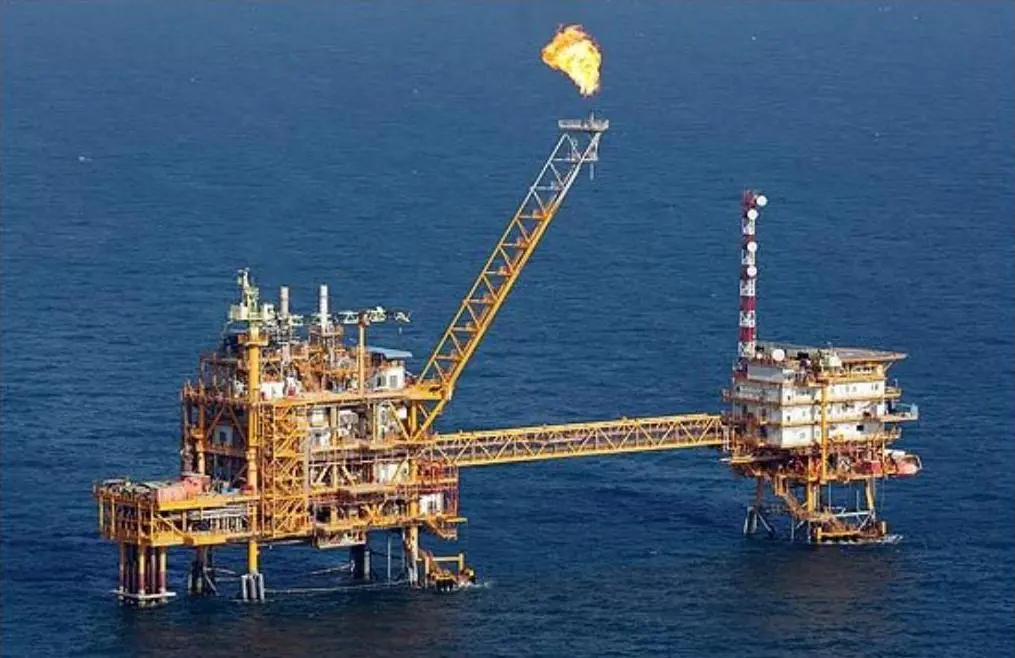
The 300 firms competing for 50 oil blocks marks a significant milestone in Nigeria’s efforts to revitalize its energy sector. This 2025/2026 licensing round, managed by the Nigerian Upstream Petroleum Regulatory Commission (NUPRC), is the largest of its kind since the enactment of the Petroleum Industry Act (PIA) in 2021.
The fact that 300 companies applied for just 50 blocks signals a strong return of investor confidence. The NUPRC has noted that this “impressive” turnout is a direct result of clearer regulatory frameworks and the “drill or drop” provision, which prevents companies from “squatting” on assets without developing them.
The blocks are strategically spread across various terrains to attract a mix of local and international players aimed at rapid production increases.
To ensure only “serious” contenders move forward, the NUPRC has set high bars for the pre-qualified firms.
For Deep Offshore blocks, firms need a minimum average annual turnover of $100 million. For Onshore/Shallow water, the requirement is $40 million. These have been rationalized to between $3 million and $7 million lower than historical rounds to encourage entry while ensuring the government still captures value.
Bidders must commit to the Host Community Development Trust (HCDT), remitting 3% of their operating expenses to host communities.
This is the most critical change in the new regime. Under the PIA. Operators can no longer hold licenses for 20 years without activity and if a winner fails to start work within the initial 3-year (onshore) or 5-year (deepwater) window, the license is automatically revoked.
The licensing round is currently in the data-access phase. Shortlisted firms are leasing geological data to prepare technical and commercial bids. The Commercial Bid Conference is expected to take place in July, until the final ministerial approvals and award of licenses in October.
Nigeria is targeting an ambitious $10 billion in new investment from this round, with the goal of adding 2 billion barrels to national reserves and boosting daily production by 400,000 barrels.