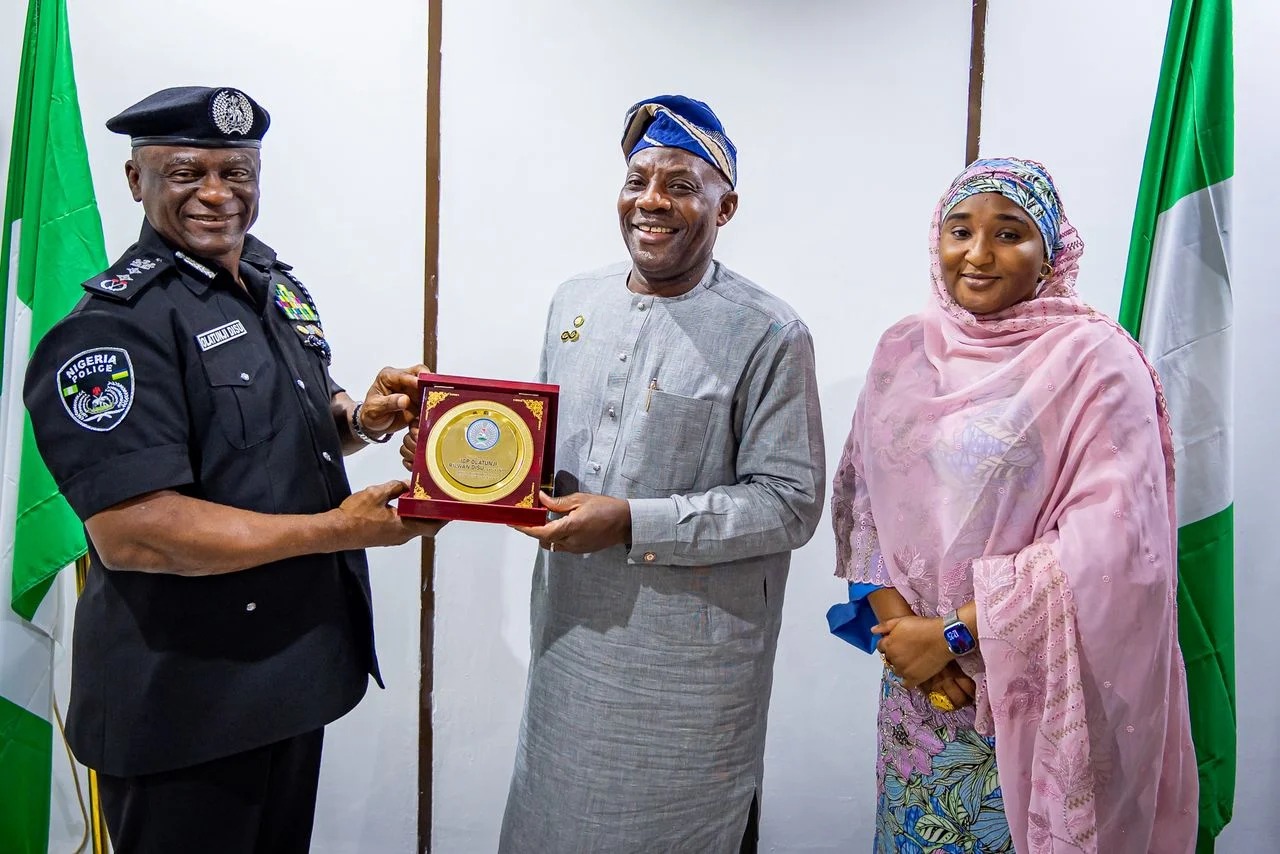
The Minister of Education, Tunji Alausa, has reaffirmed President Bola Ahmed Tinubu’s commitment to transforming the Nigeria Police Force through strengthened education, training, and institutional reforms.
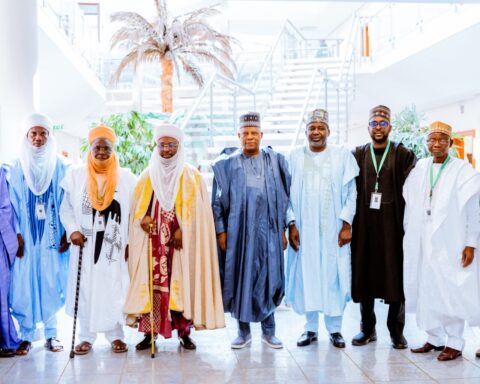
Alausa made this known on Monday in Abuja when the Inspector-General of Police, Tunji Disu, led a delegation of senior police officers on a courtesy visit to his office. The meeting, according to the minister, formed part of ongoing efforts to align the country’s education system with national security priorities.
At the centre of the discussions was a proposal to establish a southern campus of the Nigeria Police Academy in Erije, Abeokuta, Ogun State. The initiative is seen as a strategic move to expand training capacity, improve access to quality policing education, and deepen professionalism within the force.
“This meeting is in continuation of President Bola Tinubu’s agenda to reposition the police to deliver on its core mandate and improve security across the country,” Alausa said.
He emphasised that modern policing requires more than operational strength, noting that intellectual capacity, ethical standards, and continuous training are essential components of effective law enforcement in today’s complex security environment.
According to the minister, the proposed campus in Ogun State would complement existing training infrastructure while addressing regional gaps in police education. He added that the Federal Government is keen on ensuring that recruits and serving officers receive world-class training that reflects global best practices.
Alausa also highlighted the importance of collaboration between the education sector and security agencies, stressing that sustainable reforms in policing must be rooted in strong academic and professional foundations.
“The role of education in shaping a disciplined, responsive, and accountable police force cannot be overstated. Our institutions must produce officers who are not only operationally sound but also intellectually equipped to handle modern security challenges,” he said.
On his part, the Inspector-General of Police, Disu, commended the ministry for its support and expressed optimism that the partnership would significantly enhance the capacity of the police force. He noted that improved training infrastructure would translate into better service delivery, increased public trust, and more effective crime prevention.
Disu further stated that the police leadership is committed to reforms that prioritise professionalism, discipline, and respect for human rights, adding that investment in education remains a critical pillar of that vision.
Security experts have long argued that Nigeria’s policing challenges, ranging from inadequate training to poor community relations, can only be addressed through sustained institutional reforms and capacity building. The proposed expansion of the Police Academy is therefore being viewed as a step in the right direction.
If implemented, the Erije campus could also contribute to regional development by creating jobs, attracting academic talent, and fostering closer ties between the police and local communities.
As Nigeria continues to grapple with evolving security threats, the Federal Government’s renewed focus on education-driven policing reforms signals an attempt to build a more competent, accountable, and modern police force, one capable of meeting the demands of a rapidly changing society.