The Federal Government has issued a stern demand for accountability from South Africa following the deaths of two Nigerian nationals and a fresh surge of anti-foreigner protests, warning that the situation poses a serious threat to diplomatic relations and the safety of its citizens.
Nigeria’s position was made clear after authorities summoned South Africa’s Acting High Commissioner to Nigeria, Lesoli Machele, to a high-level meeting in Abuja on Monday. The envoy met with the Permanent Secretary of the Ministry of Foreign Affairs, Ambassador Dunoma Ahmed, in what officials described as a tense but necessary diplomatic engagement.
According to a statement issued by the Ministry’s spokesperson, Kimiebi Ebienfa, the Nigerian government expressed grave concern over the circumstances surrounding the deaths of two of its citizens, Nnaemeka Matthew Andrew Ekpeyong and Kelvin Chidiebere Amaramiro.
The statement revealed that Ekpeyong reportedly died on April 21, 2026, while in the custody of the Tshwane Metro Police Department. His death, allegedly linked to the conduct of security personnel, has sparked outrage among Nigerian officials and the diaspora community.
While details surrounding the death of Amaramiro remain under investigation, Nigerian authorities insist that both cases point to a troubling pattern of abuse and disregard for the rights of foreign nationals.
During the meeting, Ambassador Ahmed conveyed Nigeria’s “deep displeasure” over the incidents, stressing that the repeated targeting of Nigerians, whether by mobs or state actors, was unacceptable and could no longer be treated as isolated occurrences.
He called on the South African government to conduct a thorough, transparent, and timely investigation into the deaths, ensure that those responsible are held accountable, and implement concrete measures to prevent a recurrence.
“The safety and dignity of Nigerians abroad remain a top priority for the Federal Government,” Ahmed reportedly stated, warning that failure to address the issue decisively could strain the longstanding bilateral ties between both countries.
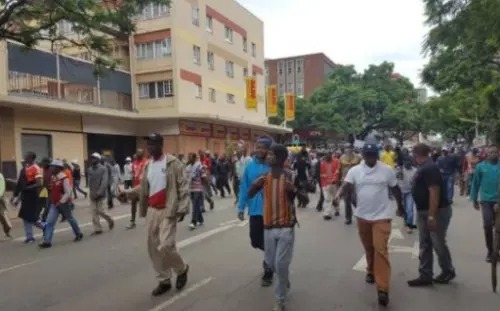
The latest developments come amid renewed anti-foreigner protests in parts of South Africa, where migrants, particularly from other African nations, have periodically faced hostility, violence, and economic exclusion.
These tensions have historically complicated relations between Nigeria and South Africa, two of Africa’s largest economies with deep diplomatic, cultural, and commercial links. Despite multiple agreements and high-level dialogues aimed at curbing xenophobia, outbreaks of violence continue to surface, often with devastating consequences.
The Nigerian government emphasised that beyond diplomatic protests, it expects concrete action from South African authorities, including improved protection for foreign nationals, stricter oversight of law enforcement agencies, and public condemnation of xenophobic rhetoric.
In response, Machele is said to have acknowledged Nigeria’s concerns and assured that the issues raised would be communicated to his government in Pretoria. He also reiterated South Africa’s commitment to investigating the incidents and maintaining cordial relations with Nigeria.
However, analysts note that assurances alone may no longer suffice, as public frustration in Nigeria continues to mount over what many perceive as a cycle of violence followed by limited accountability.
The Federal Government further indicated that it is closely monitoring the situation and may consider additional diplomatic steps if satisfactory progress is not made. It also urged Nigerians residing in South Africa to remain vigilant and adhere to safety advisories issued by the Nigerian High Commission.
For families of the victims, the demand for justice is deeply personal. For the Nigerian state, it is a test of its resolve to protect its citizens beyond its borders.
As the situation unfolds, the spotlight remains firmly on South Africa’s next steps, whether it will deliver justice and restore confidence, or risk deepening a crisis that threatens not only lives but also one of Africa’s most important bilateral relationships.