A sense of decisive movement rippled through Nigeria’s political and economic landscape on Tuesday as the nation witnessed a series of high-level appointments and removals, actions many analysts believe could shape the trajectory of key institutions in the months ahead.
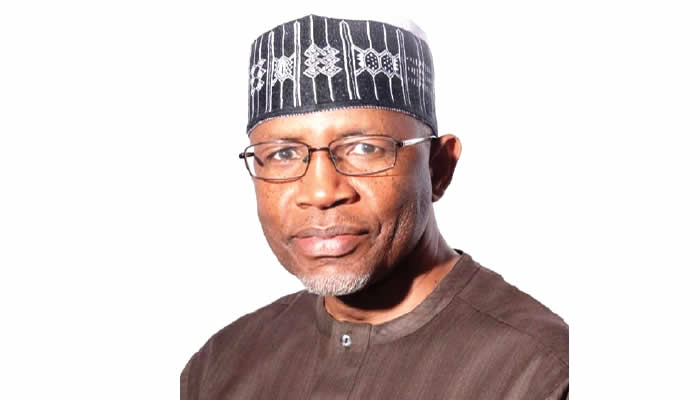
At the heart of the developments was the confirmation of Lamido Abubakar Yuguda as Deputy Governor of the Central Bank of Nigeria. The decision, endorsed by the Nigerian Senate, came after what lawmakers described as a thorough review of his credentials and experience.
Inside the red chamber, senators spoke with unusual unanimity. Describing Yuguda as “a square peg in a square hole,” they signaled strong confidence in his capacity to navigate the complexities of Nigeria’s monetary system. For many, his appointment represents not just a routine confirmation, but a calculated step toward strengthening the leadership of the apex bank at a time when economic stability remains a pressing concern.
Yuguda’s career, marked by years of regulatory and financial sector experience, was repeatedly cited during deliberations. Lawmakers noted that his understanding of financial systems and institutional governance would be critical as the Central Bank continues to grapple with inflationary pressures, currency fluctuations, and the broader challenge of restoring investor confidence.
Observers say the Senate’s endorsement reflects a broader desire for competence-driven appointments in critical sectors. In a country where economic policies often draw intense public scrutiny, the credibility of those at the helm of financial institutions carries significant weight.
But even as applause echoed in the Senate chamber, another major development was unfolding within Nigeria’s energy sector.
In a move that underscored his administration’s readiness to recalibrate leadership in strategic agencies, Bola Ahmed Tinubu approved the removal of Saidu Mohammed as Chief Executive of the Nigerian Midstream and Downstream Petroleum Regulatory Authority.
The decision, announced with little prior warning, sent ripples through the oil and gas industry, a sector that remains the backbone of Nigeria’s economy. While official reasons for the removal were not extensively detailed, insiders suggest it forms part of a broader effort to reposition regulatory institutions for greater efficiency and accountability.
Stepping into the spotlight as the nominee to replace Mohammed is Rabiu Abdullahi Umar, a figure expected to bring fresh direction to the agency. His nomination signals the administration’s intent to inject new leadership into a body responsible for overseeing critical aspects of Nigeria’s petroleum value chain, including pricing, distribution, and compliance.
For industry stakeholders, the transition comes at a crucial time. Nigeria’s energy sector has been grappling with multiple challenges, from fluctuating global oil prices to domestic supply constraints and regulatory bottlenecks. The leadership of the NMDPRA plays a pivotal role in addressing these issues, making the choice of its chief executive particularly consequential.
Political analysts view the twin developments, the Senate’s confirmation of Yuguda and the presidential reshuffle in the petroleum sector, as part of a broader pattern. Since assuming office, President Tinubu has demonstrated a willingness to make bold personnel decisions, often aimed at aligning key institutions with his administration’s economic agenda.
Yet, as with many such decisions, reactions have been mixed.
Supporters argue that decisive leadership changes are necessary to drive reform and ensure that government agencies remain responsive to national priorities. They see the appointments as evidence of a commitment to competence and performance.
Critics, however, caution that frequent changes in leadership can disrupt institutional continuity if not carefully managed. They stress the importance of clear policy direction and stability, particularly in sectors as sensitive as finance and energy.
Back in Abuja, as the day’s events settled into the rhythm of official statements and public reactions, the broader implications began to take shape. The Central Bank, with its new deputy governor, faces the task of steering monetary policy in uncertain times. Meanwhile, the NMDPRA, under impending new leadership, must navigate the complexities of a sector that remains both an economic lifeline and a source of persistent challenges.
For Nigerians, the stakes are high. Decisions made in these institutions ripple outward, affecting the cost of living, the availability of fuel, the strength of the currency, and the overall health of the economy.
As the dust begins to settle, one thing is clear: the appointments are more than administrative changes. They are signals, of direction, intent, and the ongoing effort to reshape the machinery of governance in Africa’s largest economy.
Whether these moves will deliver the desired results remains to be seen. But for now, they mark another chapter in Nigeria’s evolving story of leadership, reform, and the quest for stability.