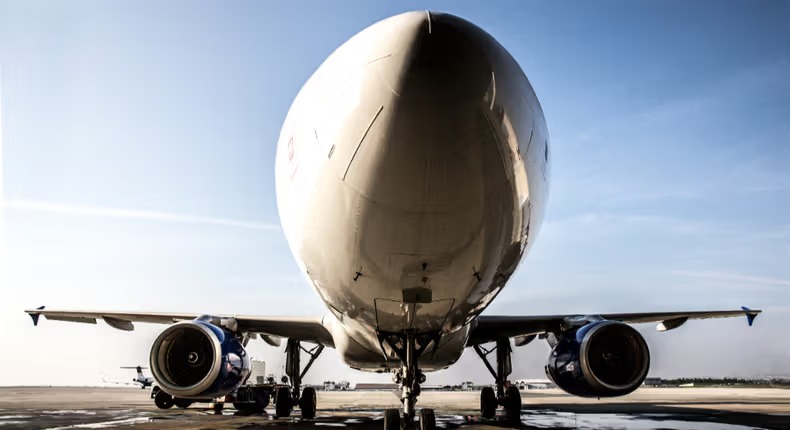
Jet fuel exports from Nigeria’s Dangote Refinery have risen sharply over the past two years, underscoring a rapid shift in global aviation fuel supply chains and the growing influence of African refining capacity in international markets.
- Dangote Refinery’s jet fuel exports have surged by 770 per cent in two years, reaching 158,000 barrels per day in April 2026.
- Growth has been driven by rising global demand and supply chain shifts triggered by geopolitical tensions.
Europe has emerged as the largest destination, while Africa continues to record strong gains in import substitution. - The expansion underscores Nigeria’s growing role in global aviation fuel trade, alongside broader energy-sector reforms.
- New shipment data from analytics firm Kpler shows that exports from the refinery increased by about 770 per cent between April 2024 and April 2026, rising from roughly 18,000 barrels per day (bpd) at the start of operations to a record 158,000 bpd by April 2026.
The expansion reflects both rising global demand for aviation fuel and a strategic repositioning of supply routes amid geopolitical tensions that are reshaping global trade flows, particularly between the Middle East, Europe, and Africa.
When exports began in April 2024, the refinery’s shipments were largely experimental, with no deliveries to Europe and a focus on regional markets. By April 2026, Europe had become the largest destination, receiving about 70,000 bpd. That marks a sharp increase from 30,000 bpd in April 2025, driven by European efforts to diversify away from traditional Gulf suppliers amid heightened geopolitical instability in the Middle East.
Industry analysts attribute much of this shift to rising security risks in key maritime corridors, including the Red Sea, which has disrupted established shipping routes.
The result has been a reconfiguration of supply chains, with European buyers increasingly favouring West African cargoes due to shorter and less exposed transit routes.
Europe leads demand shift
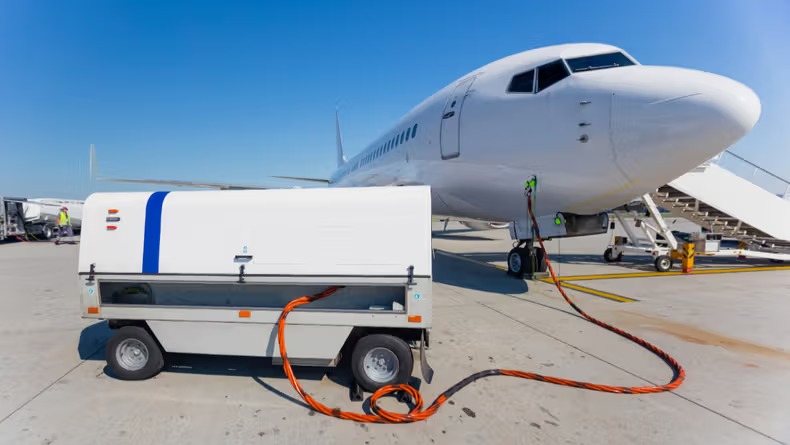
From Lagos, shipments to Europe now take significantly less time than from the Persian Gulf to Rotterdam, reducing exposure to contested waters and lowering logistical risk for airline fuel suppliers.
Africa has also emerged as a strong growth market for the refinery. Regional exports increased from 18,000 bpd in April 2024 to 69,000 bpd in April 2026, representing a 283 per cent rise over the period. Within the last year alone, shipments to neighbouring African markets more than doubled, increasing by about 115 per cent.
This growth has been linked to the refinery’s role in reducing Africa’s reliance on imported aviation fuel from Europe, the Mediterranean, and Asia. By supplying a regional source of jet fuel, the facility has helped stabilise prices and reduce the impact of global freight volatility on African airlines.
The Americas have shown a more volatile pattern. Early shipments stood at 19,000 bpd in June 2024 before peaking at around 55,000 bpd in February 2025. However, by April 2026, volumes had eased to about 14,000 bpd as the refinery redirected more supply to higher-margin European markets.
Geopolitics reshapes trade flows
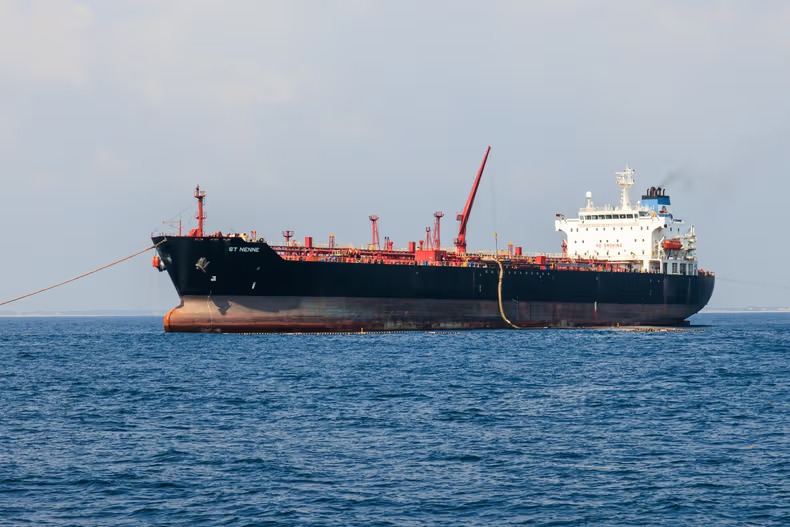
Despite the decline from its peak, exports to the Americas still reflect overall growth compared to the initial stages of operation, indicating the region remains an important, albeit flexible, outlet for surplus production.
Kpler data also points to growing diversification beyond traditional markets. Shipments categorised under “Others”, which include emerging destinations in South America and parts of Asia, increased from virtually zero in early 2024 to 19,000 bpd by April 2026.
Overall, total exports nearly doubled in just four months between December 2025 and April 2026, rising from about 81,000 bpd to 158,000 bpd. Analysts say this rapid scaling demonstrates the refinery’s ability to respond quickly to global supply disruptions and shifting demand patterns.
Alongside Dangote’s export growth, the Nigerian National Petroleum Company Limited (NNPC) reported its strongest crude oil trading performance in five years, reaching 1.71 million bpd over the past year.
According to its One-Year Mandate Report covering April 2025 to April 2026, the company also recorded several operational milestones across production, gas infrastructure, and governance reforms.
In upstream operations, NNPC subsidiary NEPL achieved a production peak of 365,000 bpd in December 2025. The company also confirmed progress in resolving the long-standing OPL 245 dispute, converting the asset into a Production Sharing Contract designed to attract further investment.

Gas infrastructure development also advanced, with the completion of the Ajaokuta-Kaduna-Kano pipeline River Niger crossing in July 2025. Total gas supply was reported at 7.5 billion standard cubic feet per day for the period under review.
NNPC also highlighted its continued partnership with the Dangote Refinery, including participation in the crude-for-naira arrangement and the consolidation of a 7.25 per cent equity stake in the facility.
Chief Executive Officer Bayo Ojulari described the performance as part of a broader effort to improve transparency and operational discipline.
“Over the past year, we have delivered steady progress against our mandate, with measurable results across production, financial performance, infrastructure, and organisational culture. But this is more than a report on targets met. It is a statement of accountability to every Nigerian,” he said.
The report also noted internal restructuring efforts, including the recruitment of 1,000 employees and the introduction of a women-focused leadership programme to improve inclusion within the organisation.
Together, the developments at both Dangote Refinery and NNPC point to a broader transformation in Nigeria’s energy sector, as domestic refining capacity and upstream output increasingly position the country as a more influential player in global petroleum and aviation fuel markets.