The Emir of Kano, Muhammadu Sanusi II, has raised fresh concerns about Nigeria’s economic direction, cautioning that the Federal Government’s continued reliance on borrowing could undermine the gains expected from recent reforms, including the removal of petrol subsidy and the liberalisation of the foreign exchange market.
Speaking in an interview shared by News Central TV on Friday, the former Governor of the Central Bank of Nigeria delivered a pointed assessment of the country’s fiscal trajectory, blending economic insight with a sense of urgency about what he described as missed opportunities and systemic inefficiencies.
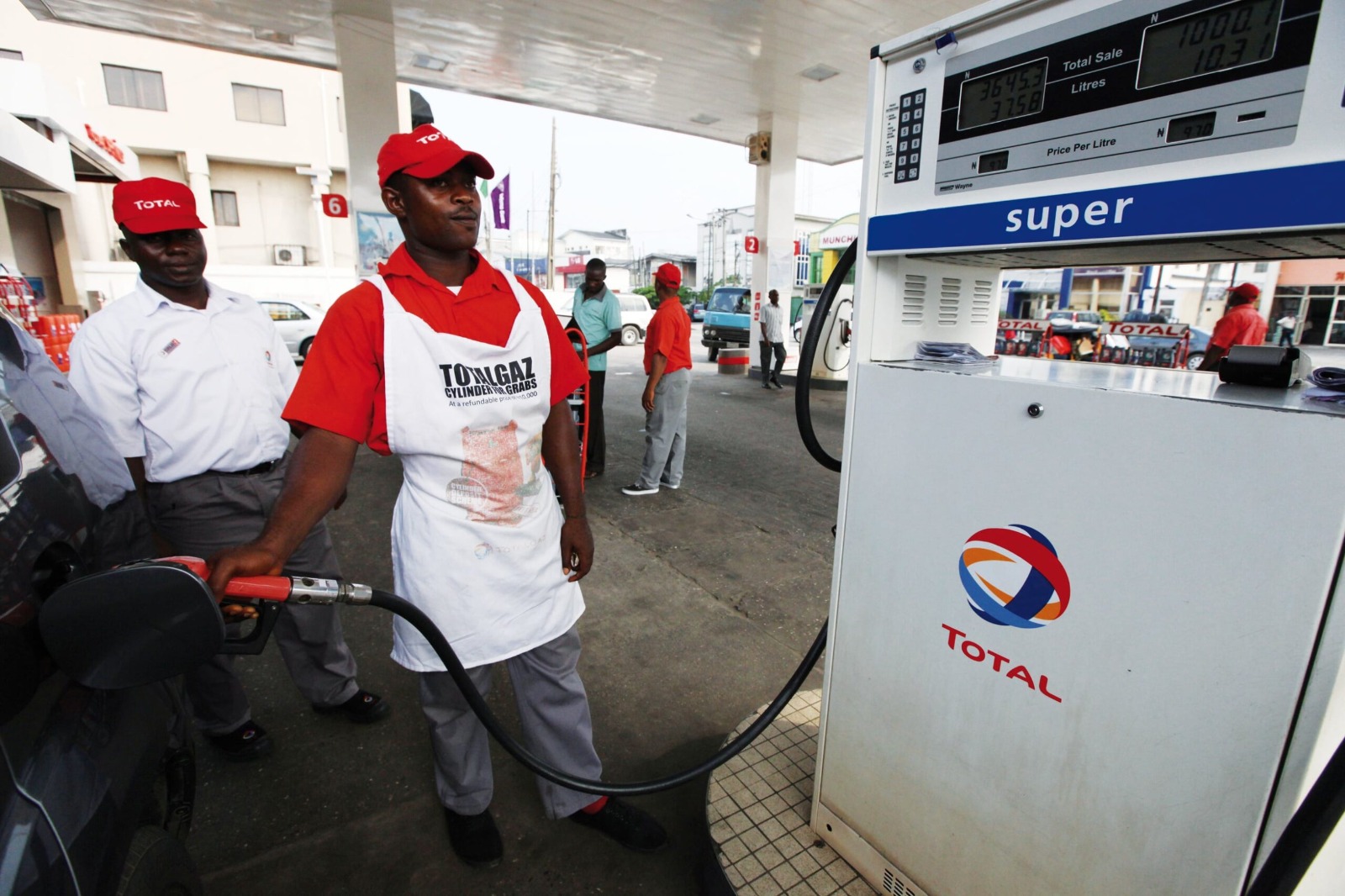
Sanusi, long regarded as one of Nigeria’s most outspoken economic thinkers, acknowledged that the decision to remove fuel subsidies was both necessary and inevitable. For years, economists had warned that the subsidy regime was draining public finances, distorting the market, and disproportionately benefiting a narrow segment of the population.
“I have always said the subsidy regime was unsustainable,” he reiterated, emphasizing that reform was not the issue—but rather how it was implemented and what followed afterward.
According to him, the real concern lies in the government’s fiscal behavior after the reform. The expectation, he noted, was that funds saved from subsidy removal would ease budgetary pressures, reduce deficits, and ultimately lessen the need for borrowing. Instead, he argued, Nigeria appears to be continuing along a path of heavy debt accumulation.
This, he warned, could erode whatever economic benefits the reforms were meant to deliver.
“The timing and lack of fiscal discipline are threatening to erase the potential gains,” Sanusi said, pointing to what he sees as a disconnect between policy decisions and financial management.
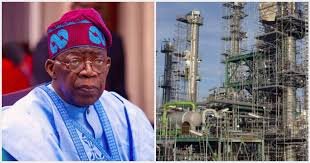
Beyond borrowing, the Emir also took aim at what he described as a longstanding structural flaw in Nigeria’s oil sector: the paradox of an oil-producing nation relying heavily on imported refined petroleum products. For decades, Nigeria has exported crude oil while importing refined fuel, a cycle that has placed enormous pressure on foreign exchange reserves and public finances.
Sanusi described the situation as a systemic failure, arguing that it reflects deeper issues in governance, planning, and accountability.
“We cannot continue supporting foreign refineries,” he said. “We’re an oil-producing country. Keeping refineries open abroad while we’re not doing our own.”
His remarks highlight a critical contradiction in Nigeria’s economic model. While the country possesses significant crude oil resources, its domestic refining capacity has historically remained underutilized due to a combination of poor maintenance, policy inconsistencies, and investment gaps.
The result has been a heavy dependence on imported fuel, often subsidized at great cost to the government, despite the country’s natural advantage in oil production.
Sanusi’s critique comes at a time when Nigerians are grappling with the immediate consequences of economic reforms. The removal of fuel subsidy has led to higher transportation costs, which in turn have driven up the price of goods and services. Similarly, exchange rate liberalisation has contributed to currency volatility, affecting everything from import costs to inflation.
While policymakers argue that these reforms are necessary steps toward long-term stability, critics like Sanusi insist that without strict fiscal discipline and structural adjustments, the benefits may never fully materialize.
Economists note that his concerns reflect a broader debate within Nigeria’s policy space: how to balance reform with social impact, and how to ensure that difficult decisions translate into tangible improvements for citizens.
The issue of borrowing is particularly sensitive. Nigeria’s debt profile has grown significantly in recent years, prompting questions about sustainability and the capacity to service obligations without crowding out essential public spending.
Sanusi’s intervention adds a respected voice to these concerns, drawing attention not just to the numbers, but to the underlying choices that shape them.
Observers say his comments also carry symbolic weight. As both a traditional ruler and a former central bank governor, Sanusi occupies a unique position—bridging the worlds of policy, tradition, and public discourse. His views often resonate beyond economic circles, influencing broader national conversations.
For many Nigerians, his message is a call for coherence: that reforms must be matched with responsible fiscal management, and that structural problems, like the neglect of domestic refining, must be addressed if the country is to achieve genuine economic independence.
As the interview continues to circulate, it has reignited discussions about Nigeria’s economic priorities and the path forward. Whether policymakers will heed these warnings remains to be seen, but one thing is clear: the stakes are high, and the margin for error is narrowing.
In the complex landscape of Nigeria’s economy, Sanusi’s words serve as both critique and caution, a reminder that reform, without discipline and follow-through, risks becoming an unfinished promise.