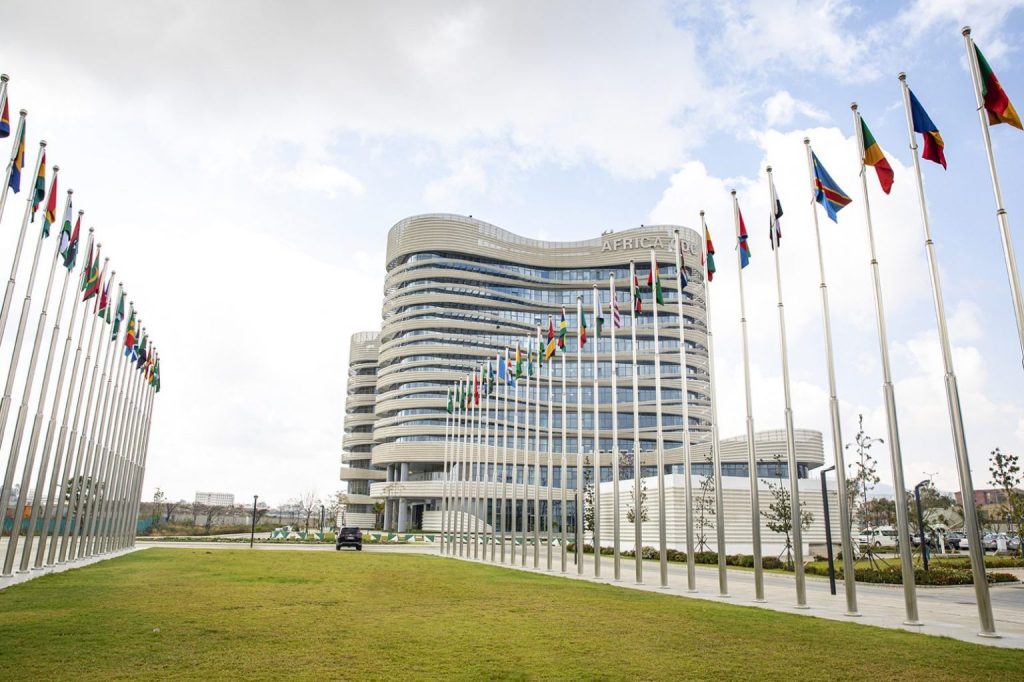
The African Centres for Disease Control and Prevention (Africa CDC) says cholera, mpox and measles continue to pose public health challenges across the continent, even as vaccination campaigns and surveillance systems expand in several countries.
In its weekly webinar press briefing on Thursday, Africa CDC officials said outbreak trends show mixed progress, with declining transmission in some settings but persistent hotspots driven by flooding, displacement and weak sanitation systems.
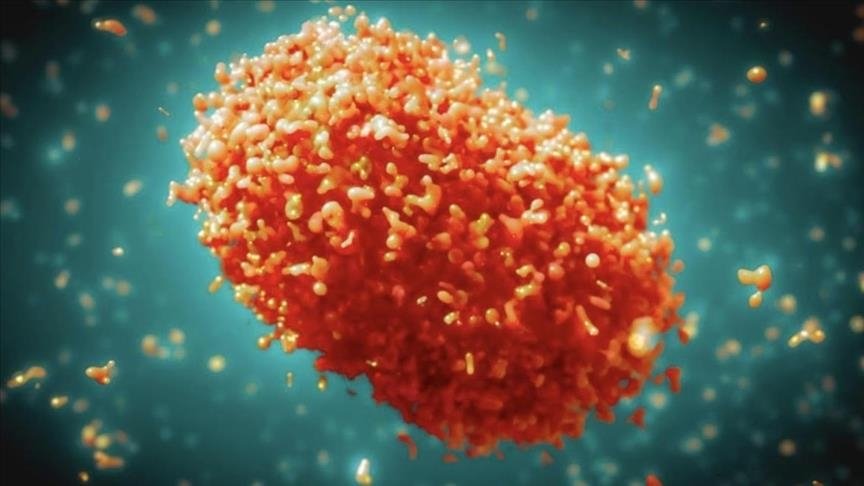
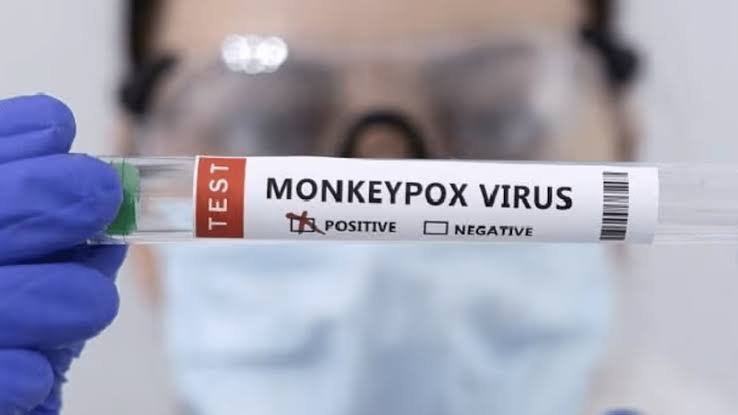
On mpox, Dr Tolbert Nyenswah, Director for Pandemic Prevention, Preparedness and Response, Africa CDC, said transmission remains well below the 2024 peak, with 15 active Member States reporting cases.
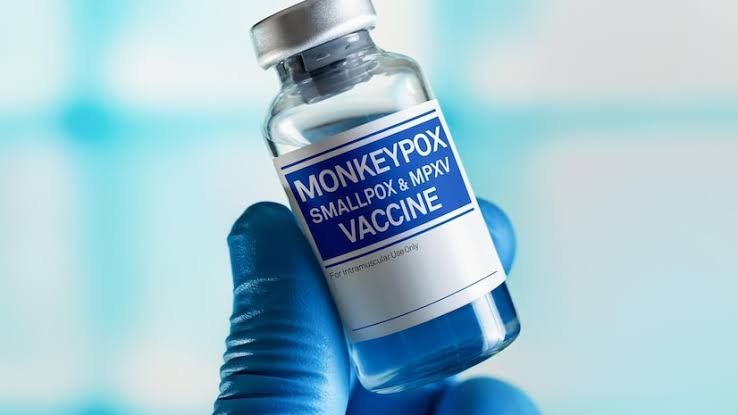
Nyenswah noted that Madagascar, Nigeria and Kenya account for about 81 per cent of confirmed cases in the last six weeks, while more than 5.08 million vaccine doses have been delivered and 2.97 million people vaccinated across the continent.
He said the disease is increasingly being integrated into routine surveillance systems as countries scale up decentralised response efforts.
On cholera, Prof. Yap Boum I, Deputy Incident Manager, Africa CDC Incident Management Support Team (IMST), said outbreaks remain widespread across multiple countries, with transmission driven largely by flooding, poor sanitation and humanitarian crises.
In the Democratic Republic of Congo, Boum said cholera has reached 92,892 cumulative cases and 2,639 deaths, with Sud-Kivu, Kinshasa and Nord Kivu accounting for most infections amid mass displacement affecting more than 1.8 million people.
In Angola, he said cases rose sharply by 288 per cent in one week, reaching 365 cases and 10 deaths, while cumulative infections stand at 37,319 cases and 921 deaths.
He also reported a resurgence in Burundi, where 163 new cases were recorded in one week, driven by unsafe water use and contamination of drinking water sources, while noting that no oral cholera vaccination campaign has yet been implemented in the current outbreak.
In Mozambique, however, he said transmission has declined significantly following a mass vaccination campaign that reached 1.7 million people, reducing cases by about 57 per cent over five weeks, although flooding and displacement continue to pose risks.
On measles, he said cases were reported in 21 Member States as of epidemiological week 15 of 2026, with about 70 per cent of infections concentrated in a few high-burden countries, driven by low vaccination coverage and population displacement.
He said ongoing response measures, including vaccination campaigns, outbreak control teams and improved surveillance systems, are helping stabilise transmission trends in several affected countries.
He said the agency would continue to support Member States with technical assistance, vaccines and emergency response coordination as part of efforts to strengthen continental health security systems.