By Festus Adedayo
I have severally confessed my love for the South African literature. I fell in love with it early in life while gobbling up narratives of heroic travails of liberation struggle fighters, represented in the works of Mazisi Kunene, Ezekiel Mphalele, Peter Abrahams, Alf Wannenburg, Alan Paton, Alex La Guma and many others. I must have read La Guma’s A Walk In The Night and virtually all his works innumerable times. Of the lot, one South African author whose works equally spellbound me is Can Themba, perhaps because of the self-inflicted tragedy of his early passage.
The intense psychological torment this tripod has been inflicting on Nigeria must be a result of an unpardonable adultery we committed.”
This morning, as I drew my laptop close, I asked AI how frequently “Festus Adedayo” had cited Themba’s works in his column. Its reply was: “Festus Adedayo… has frequently referenced Can Themba’s famous short story to illustrate political and social issues in Nigeria. He uses the story’s themes of betrayal, cruel punishment, and psychological torment to analyse Nigerian leadership, corruption, and societal behaviour.
Indeed, in my piece of September 8, 2019 with the title, ‘What Soured South Africa’s Umqombothi’, I said “If the number of times citations are made of a dead artist’s work approximates the invocation of the spirits of the dead, my frequent intrusion into Themba’s graveyard, especially in citing his short story, The Dube Train, should have worn his spirit out by now.”
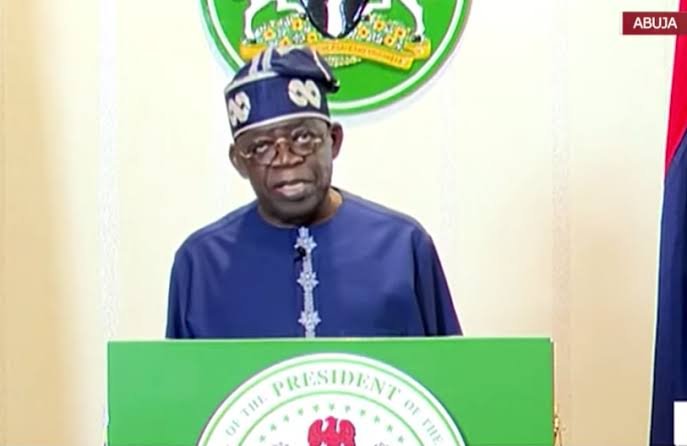
So, when I watched viral videos of the duo of the Nigerian president (twice last week), and the senate president, engage in broadsides against perceived enemies of their government and political party, Themba hopped up my mind like a malevolent viper. Real name Daniel Canodoce, he was popularly known as Can Themba. Can was a young Marabastad-born writer, a drunk of renown, literary prodigy and journalist. He was one of the Drum magazine collectives of the 1950s.
Alongside another kindred spirit named Nat Nakasa, they were two South African writers who blended journalism with creative writing. Can and Nakasa were also part of the young black writers of the Apartheid era who lived by the weird dictum, “Live fast, die young and have a good-looking corpse.” Can died on September 8, 1967, aged 43, official cause of death being coronary thrombosis, but widely attributed to a combination of heavy alcohol abuse and profound despair.