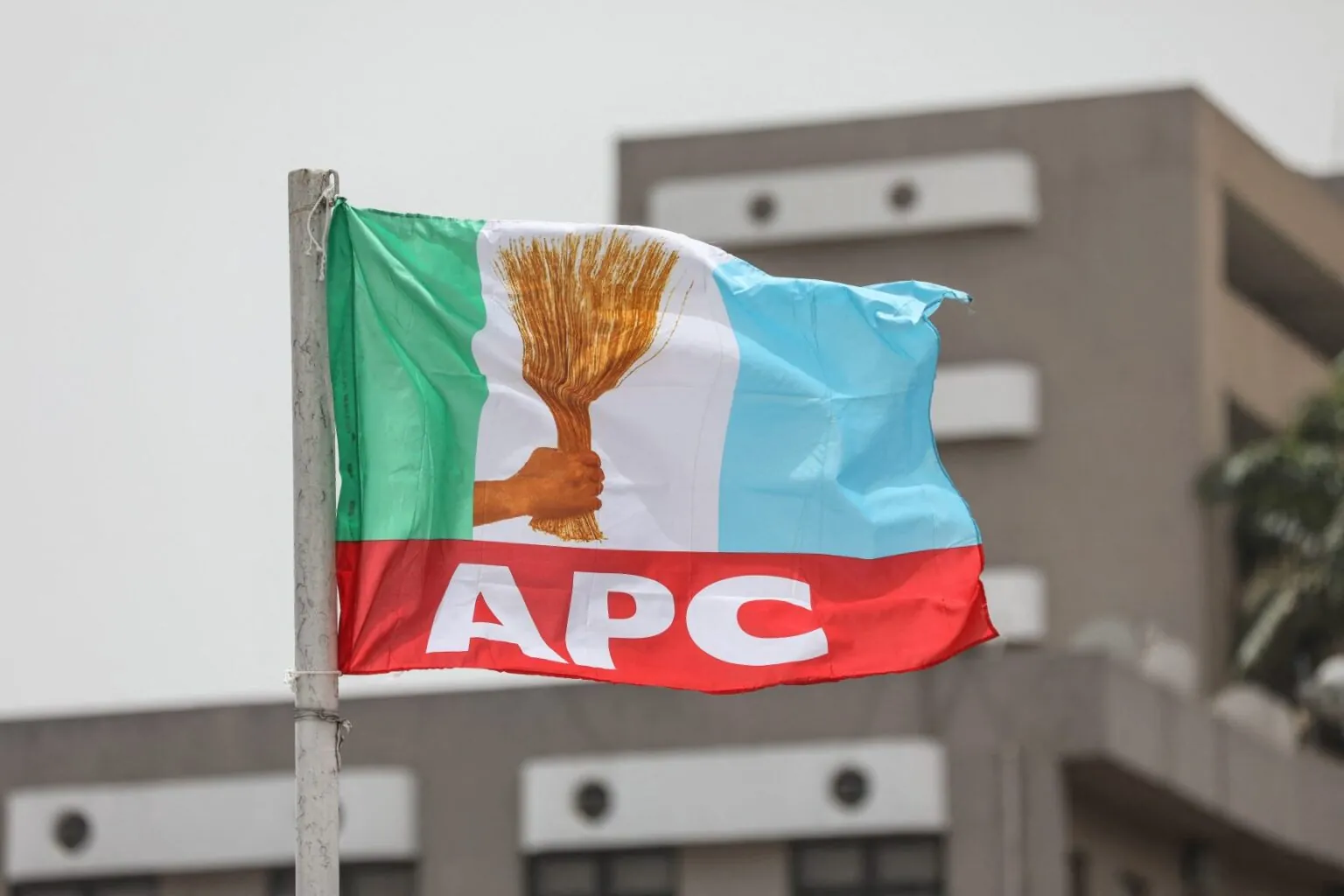
The All Progressives Congress in Lagos State has pushed back strongly against allegations of candidate imposition, describing claims of a prearranged list for upcoming legislative primaries as “false, misleading, and deliberately provocative.”
In a political climate already charged with anticipation ahead of the primaries for the House of Representatives and the Lagos State House of Assembly, the party leadership moved swiftly on Thursday to address concerns raised by a group calling itself “Concerned Members of the Lagos State chapter of the APC.”
At the center of the rebuttal was the Lagos State APC Chairman, Cornelius Ojelabi, who issued a statement reaffirming the party’s commitment to internal democracy. He maintained that no candidate had been preselected and that the party would adhere strictly to its established procedures.
Ojelabi explained that while consensus remains the preferred method for selecting candidates, it would only be adopted after “broad consultation and mutual agreement among stakeholders.” Where such agreement proves impossible, he emphasized, the party would resort to direct primaries allowing registered party members to vote and determine their candidates.
“The insinuation that a list already exists is entirely unfounded,” Ojelabi said, noting that the party leadership had not deviated from its guidelines. “Our processes remain transparent, participatory, and in line with democratic principles.”
The controversy was sparked by allegations from the concerned group, led by Tunde Samson. The group had accused key figures within the Lagos APC of secretly compiling a list of preferred candidates, thereby undermining the credibility of the forthcoming primaries.
Among those named in the allegations were the Deputy Governor of Lagos State, Obafemi Hamzat; a prominent member of the House of Representatives, James Faleke; Ojelabi himself; and party chieftain Mutiu Aare.
The group claimed that these individuals were working behind closed doors to determine candidates for both federal and state legislative positions, effectively sidelining grassroots participation and disenfranchising loyal party members.
However, party insiders have dismissed the accusations as the handiwork of disgruntled elements seeking to sow discord within the ranks. A senior party member, who spoke on condition of anonymity, suggested that such claims often emerge during election cycles, particularly when competition intensifies and political ambitions collide.
“There is always tension during primaries,” the source said. “But the party has mechanisms to ensure fairness. These allegations are not new, and they are often driven by fear or misinformation.”
Observers note that Lagos, being a strategic stronghold of the APC, often witnesses heightened political maneuvering ahead of elections. The stakes are particularly high, as the state plays a pivotal role in shaping national political outcomes.
Despite the denials, the allegations have sparked conversations within party circles about transparency, trust, and the balance between consensus-building and open competition. Some party members have quietly expressed concerns about the influence of powerful figures, even as they acknowledge the need for unity ahead of general elections.
Political analysts argue that the situation reflects a broader challenge within Nigerian political parties, how to manage internal democracy while maintaining cohesion. The use of consensus arrangements, though efficient, has sometimes been criticized for lacking inclusiveness.
Still, Ojelabi insisted that the Lagos APC would not compromise on its principles. He called on party members to disregard what he described as “baseless accusations” and instead focus on strengthening the party.
“We remain one family,” he said. “Our goal is to emerge stronger, united, and prepared to deliver good governance to the people.”
As the primaries draw closer, all eyes will be on the Lagos APC to see how it navigates the competing interests within its ranks. Whether through consensus or direct primaries, the process will serve as a test of the party’s commitment to fairness and a preview of the political battles ahead.