Starting April 15, 2026, the Ministry of Justice is shifting the gears of the legal system from a purely “lock-them-up” mentality toward one focused on healing and practical resolution.
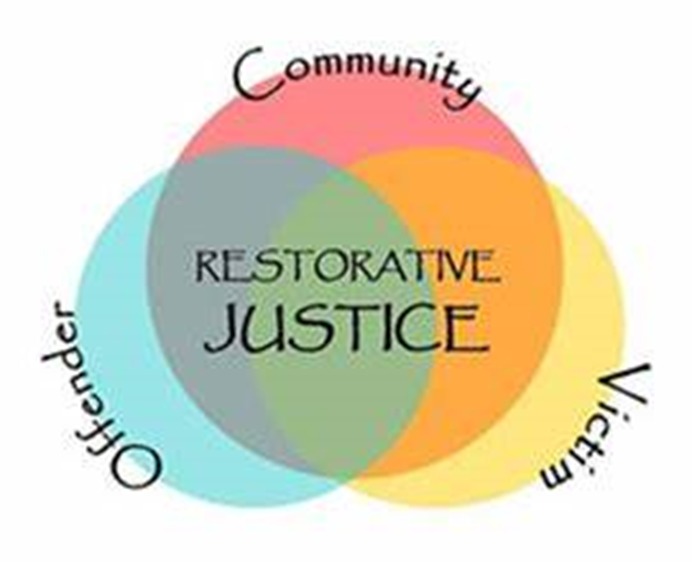
With over 81,000 inmates currently squeezed into facilities designed for 60,000, the system is at a breaking point. Traditional justice is often a battle between the State and the Offender. Restorative Justice (RJ) brings the human element back into the room. It focuses on three key pillars.
Victims have a voice in the process, allowing them to seek closure and direct reparation rather than just watching a trial from the sidelines.
Instead of sitting idle in a cell, offenders must actively “make it right” through community service, financial restitution, or direct apologies. It will treat crime as a wound to the community that needs to be mended, rather than just a broken rule that needs a penalty.
This isn’t just a policy on paper; it’s a structural overhaul. The launch includes The National Minimum Standards; A set of uniform rules to ensure a case in Lagos is handled with the same restorative integrity as one in Kano.
Judges and lawyers are being retrained to identify which cases, typically non-violent or minor offenses should be diverted away from the courtroom and into mediation. By moving minor cases out of the “overcrowded” column, the Ministry hopes to reduce the massive backlog of over 500,000 pending cases.
The goal is to turn the “prison-first” approach on its head. Currently, many people are held for years in pre-trial detention for minor infractions. Under the new program minor offenders are diverted to RJ programs before they ever enter a cell. While a trial can drag on for years, a restorative circle or mediation can often reach a binding agreement within weeks.
Evidence shows that offenders who participate in RJ are less likely to commit crimes again because they’ve had to face the human impact of their actions.
This reform isn’t about being “soft on crime.” It’s about being smart on justice. It prioritizes fixing the harm done over simply adding more bodies to an already overflowing prison system.