The Nigerian Communications Commission (NCC) has reiterated the importance of strategic collaboration and capacity building in accelerating broadband expansion and digital transformation.
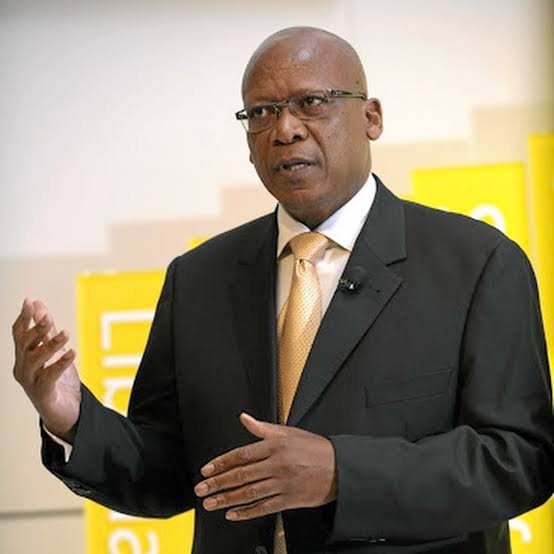
The Executive Vice Chairman (EVC) of NCC, Dr Aminu Maida, made this known in a goodwill message delivered at a Strategic Fibre Optics Training Workshop in Abuja.
The five-day intensive training was organised by the International Telecommunication Union (ITU), in collaboration with Digital Bridge Institute (DBI) with support from the European Union.
It is expected to strengthen digital knowledge and support policy development in participating countries.
Maida was represented by NCC’s Executive Commissioner, Technical Services, Abraham Oshadami.
He described the training, with the theme, “Strategic Fibre Optics Infrastructure Deployment and Regulatory Management” as timely.
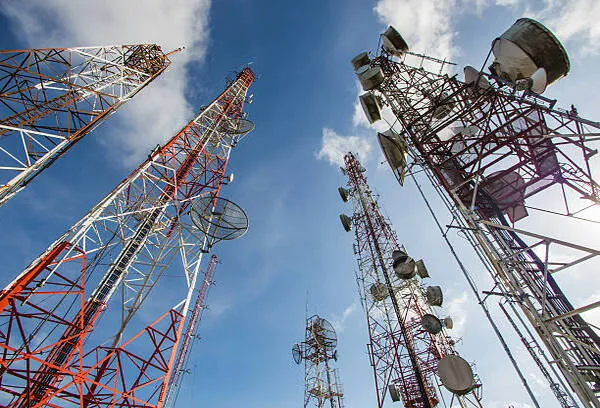
He said that robust and well-regulated fibre infrastructure remained critical to any digital transformation agenda.
“As a nation committed to bridging the digital divide and accelerating broadband penetration, we recognise that strategic fibre deployment is a catalyst for economic growth, financial inclusion, education, healthcare, agriculture and efficient public service delivery.”
He said the Federal Government, through Project BRIDGE (Building Resilient Digital Infrastructure for Growth) under the Ministry of Communications, Innovation and Digital Economy, would deploy an additional 90,000 kilometres of fibre optic cable nationwide.
According to him, Project BRIDGE is aimed at expanding connectivity and deepening digital inclusion across all the 774 Local Government Areas (LGAs) in the country.
The NCC boss, however, identified high cost of Right of Way (RoW) charges and bureaucratic bottlenecks at subnational levels as major constraints to broadband expansion, alongside infrastructure vandalism.
“In response, the commission has prioritised strategic collaboration with sister regulatory agencies, subnational governments and security institutions to facilitate seamless deployment and protection of telecom infrastructure.”
Maida said that 13 states had so far waived RoW charges following sustained advocacy by the commission.
He said that the move was already attracting increased investment from telecom operators.
He said that coordinated efforts by the ministry, the Office of the National Security Adviser and NCC led to a 2024 presidential order.
According to him, the order designated telecommunications infrastructure as Critical National Information Infrastructure (CNI), to enhance its protection nationwide.
The EVC said that sustained collaboration remained a central pillar of the commission’s regulatory approach to drive infrastructure deployment and sectoral growth.
He also reaffirmed NCC’s commitment to human capital development, adding that a well-trained workforce was essential to achieving a fully connected and digitally empowered nation.
Maida expressed optimism that the five-day training would equip participants with the knowledge and tools required to improve regulatory efficiency, enhance stakeholder engagement and accelerate fibre rollout.
Earlier, in her goodwill message, Ms Inga Stefanowicz, Head of Section, Green and Digital Economy, Delegation of the EU, said the EU’s global strategy prioritised key sectors.
Stefanowicz listed the sectors to include digital infrastructure, transport, energy, renewable energy, health and education.
She said that the approach had been widely implemented across African countries, including Nigeria.
According to her, the strategy is designed to guide funding, mobilise access to finance and expertise, and support investments in critical sectors through close collaboration with the private sector.
“As we realise, whether it is donor funding or government budgets, the infrastructure needs are too vast to be funded solely by public resources.
“That is why we promote solutions that allow the private sector to play a greater role in bridging these gaps.”
Stefanowicz cited the EU’s digital economy package for Nigeria, launched in 2022, as a major intervention, with investments amounting to 820 million euros, including 160 million euros in grants and additional development financing.
She said that the package covered a broad spectrum of the digital ecosystem.
“This includes digital skills development, support for digital businesses, innovation hubs, and digital public infrastructure, with a strong focus on fibre optic expansion.
“The initiative will further strengthen partnerships between Europe and Africa, fostering deeper collaboration at both public and private sector levels,” she said.
She said that digital infrastructure remained central to digital transformation efforts.
The EU official urged participants to actively engage in the training and take advantage of future opportunities provided by the EU and its partners.