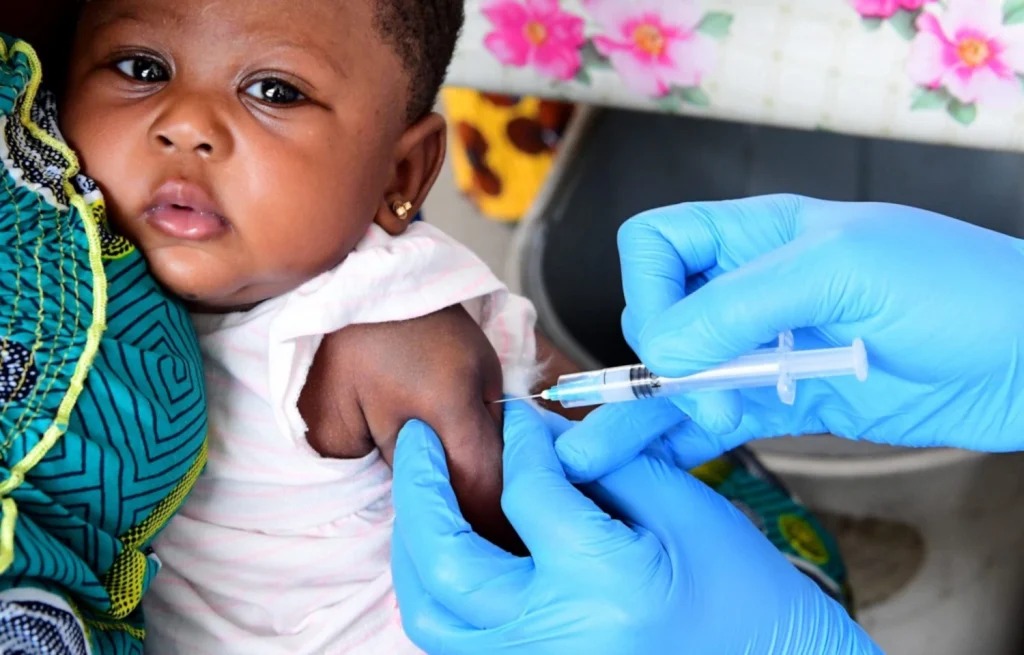
The achievement of reaching 5 million adolescent girls with the HPV vaccine since its introduction in 2023 (particularly the successful rollout in Nigeria) marks a significant step toward the global goal of eliminating cervical cancer.
By prioritizing science-based prevention, governments are not just hitting numbers; they are building a infrastructure that can be replicated for other preventable diseases.
The Human Papillomavirus (HPV) is responsible for over 95% of cervical cancer cases. By targeting girls aged 9–14, health programs are intervening at the most effective time before exposure to the virus.
Large-scale studies (such as those recently conducted in Scotland and the UK) have shown that adolescent vaccination can reduce cervical cancer rates by nearly 90%.
The shift toward a science-based single-dose schedule (instead of two or three) has been a “game changer.” It reduces the cost and logistical burden on families and the healthcare system without compromising protection.
The government’s reaffirmation of using a science-based guide suggests a shift toward evidence informed policy. This framework is crucial for future health challenges in several ways:
Multi-Age Cohort (MAC) Campaigns is using data to identify high-risk age groups and rolling out vaccinations in “phases” ensures that those most at risk are prioritized first.
The HPV rollout often happens alongside other health screenings or routine immunizations (like Measles or Polio), creating a “one-stop shop” for adolescent health.
By monitoring differences in access across various socio-economic groups, science-based models help ensure that rural or underserved communities aren’t left behind.
This success serves as a blueprint for “Evidence-to-Action.” When science guides public health, the results are measurable.
Strengthening the “cold chain” (refrigerated transport for vaccines) for HPV prepares the system for future vaccine-preventable diseases.
Reaching 5 million girls requires massive community engagement. Building this trust now makes it easier to implement future health guidelines, whether for malaria, tuberculosis, or future pandemics.