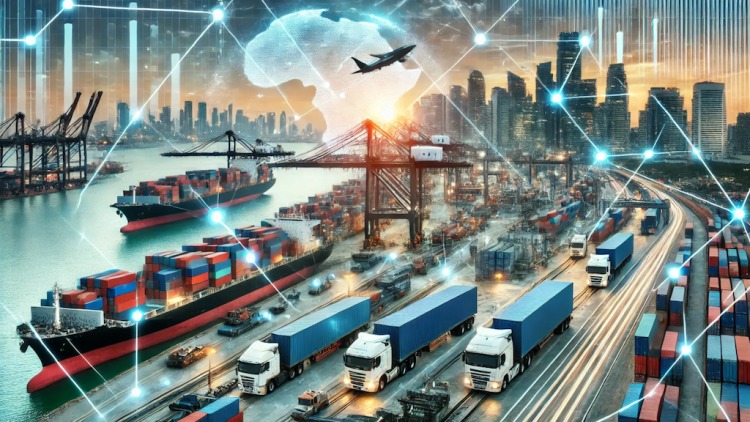
We are seeing a fundamental shift in how supply chains operate across the continent. After several years of what many experts called a “permacrisis” (pandemic shocks, port congestion, and energy instability), 2026 is marking a pivot toward resilience and regionalism.
Instead of just waiting for global routes to stabilize, many African nations are building their own “defensive” infrastructure.
Africa is moving away from isolated ports toward integrated inland networks. This is a massive game-changer for 2026. The Lobito Corridor is a 1,300km rail network linking the Angolan port of Lobito to mining regions in Zambia and the DRC. It is expected to cut freight costs by up to 40% and reduce shipping times by two weeks.
Major rail and port upgrades in Liberia are opening up new export routes for iron ore and agricultural products, reducing the reliance on older, more congested eastern corridors.
The African Continental Free Trade Area (AfCFTA) is finally hitting its stride in 2026 with major tariff cuts and new digital trade protocols.
Tariffs on 90% of goods are being phased out, which is incentivizing companies to source parts and raw materials from neighboring countries rather than overseas.
Projections show that intra-continental trade could increase by over 50% as these barriers drop, creating a “cushion” against global supply chain shocks.
Because traditional infrastructure can be slow to build, many African supply chains are using tech to bypass old bottlenecks. In countries like South Africa and Kenya, AI is being used to sense demand and model scenarios like port strikes or weather events before they happen.
To solve the “last mile” problem in dense cities like Lagos or Nairobi, companies are moving away from giant warehouses toward urban “dark stores” that use AI to position high-demand products closer to the customer.
There is a massive influx of private capital into “institutional-quality” warehousing.
Modern, automated warehouses are reducing goods turnaround times by as much as 60% for e-commerce and manufacturing firms.
New supply chain finance platforms have recently gone live, helping small and medium enterprises (SMEs) get the credit they need to move goods without waiting months for payment.
While challenges like energy reliability and currency volatility still exist, the “return” you’re seeing is largely due to these countries taking more control over their own logistics destiny. It’s a move from being a passive link in a global chain to being an active hub in a regional one.