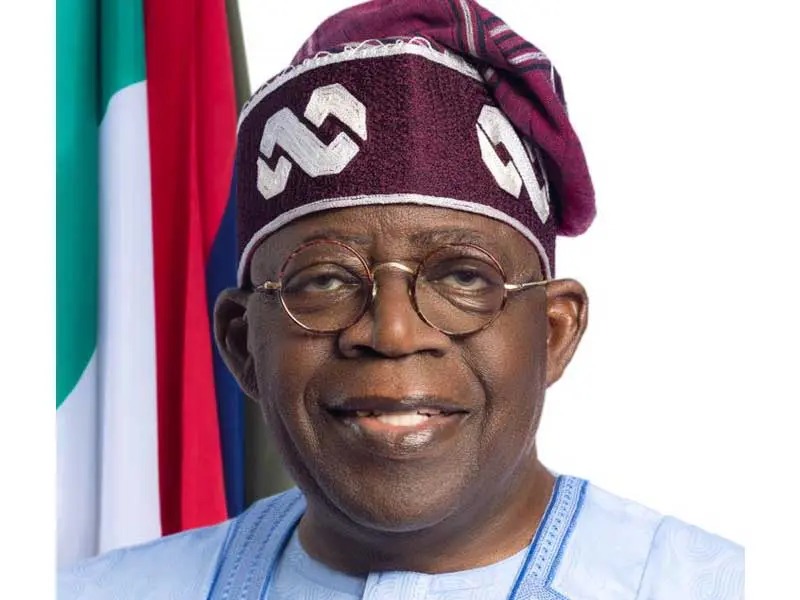
As President Bola Ahmed Tinubu approaches the three-year mark of his administration in May 2026, the Renewed Hope Agenda finds itself at a critical crossroads. While the government points to “consolidation” and emerging growth, the Nigerian public is grappling with the lingering sting of aggressive fiscal reforms.
The central tension of the last three years has been the “pain vs. gain” narrative. The administration argues that the removal of fuel subsidies and the floating of the Naira were necessary surgeries to save a dying patient, but the recovery remains slow.
Opposition parties (notably the ADC) and economic analysts have raised alarms over the 2026 Appropriation Bill. Critics argue that the record-breaking ₦58.47 trillion budget relies on unrealistic revenue projections and continues a cycle of heavy borrowing. With debt servicing costs eating a massive chunk of the national revenue, there are fears that the “Renewed Hope” is being built on a foundation of future debt.
Despite the National Bureau of Statistics (NBS) reporting a gradual decline in inflation from its 2024 highs, the “food on the table” test remains the administration’s biggest hurdle. Food inflation remains a primary concern, and the promised transition to CNG (Compressed Natural Gas) for cheaper transport has seen a rollout that many feel is too slow to offset the high cost of petrol.
The Agenda’s success is heavily tied to food security. While there have been “Renewed Hope Ward Development Programmes” aimed at empowering 10 million Nigerians, persistent insecurity in the North-Central and
North-East “food baskets” continues to hinder large-scale farming, keeping food prices artificially high.
President Tinubu and his supporters maintain that the worst of the economic “reset” is over. Their 2026 strategy focuses on continued investment in the Lagos-Calabar Coastal Highway and rail projects.
Attempting to reduce the budget deficit from over 6% to 4.5% of GDP. The 2026 budget emphasizes grassroots economic mobilization, targeting specific wards for agricultural and mining support.
As the administration enters its “pre-election” penultimate year, the scrutiny is no longer about the intent of the reforms, but their efficacy. For the average Nigerian, the Renewed Hope Agenda will be judged not by GDP percentages, but by the stability of the Naira and the price of a bag of rice.
The next 12 months will likely determine if the “Consolidation” budget actually delivers prosperity or if it simply manages the status quo.