The Defence Headquarters (DHQ) has said that Operation Safe Corridor was established as part of a broader and structured counter-terrorism strategy designed to prevent the recruitment of terrorists, encourage surrender, and promote long-term stability in the country.
The military high command explained that contrary to concerns from some quarters, the programme is not about showing leniency to terrorists, but rather serves as a non-kinetic strategy focused on rehabilitation and reintegration of what it described as “low-risk combatants.” According to the DHQ, many of those undergoing the programme were not driven by ideology but were coerced into joining terrorist groups through forced recruitment, abduction, or other forms of pressure.
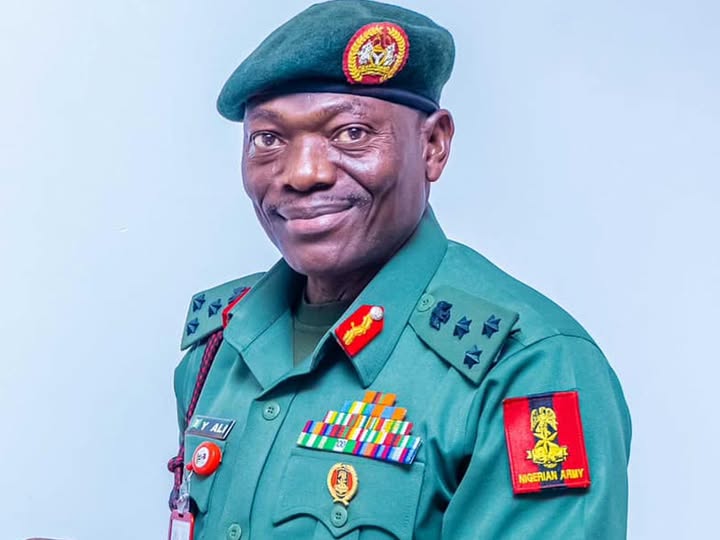
Speaking through the Coordinator of Operation Safe Corridor, Brigadier-General Yusuf Ali, in an interview with The Nation, the Defence Headquarters said the initiative is playing a significant role in curbing violent extremism in parts of the country, particularly in the North-East region which has experienced years of insurgency.
Brig.-Gen. Yusuf Ali explained that the programme was carefully designed as part of Nigeria’s broader counter-insurgency operations, combining military action with psychological, social, and economic rehabilitation strategies. He said the approach recognises that not all individuals associated with terrorist groups are hardened fighters, and that some were victims who had little or no choice in their involvement.
According to him, Operation Safe Corridor provides vocational training, psychological counselling, religious reorientation, and educational support aimed at helping rehabilitated individuals return to society as productive citizens. The ultimate goal, he said, is to break the cycle of violence by preventing former fighters from returning to insurgent groups.
The Defence Headquarters also stressed that the programme is strictly for individuals classified as low-risk after thorough screening by security agencies. Those found to have committed serious crimes or considered high-risk are not included in the rehabilitation programme but are instead prosecuted according to Nigerian law.
Military authorities noted that one of the major objectives of the programme is to encourage fighters who are willing to surrender to do so without fear, thereby reducing the number of active combatants and weakening terrorist organisations from within. By offering a pathway to rehabilitation, the government hopes to reduce the appeal of extremist groups and prevent further recruitment, especially among vulnerable youths.
Despite the military’s explanation, the programme has faced criticism from some Nigerians who believe that rehabilitating former insurgents while victims continue to struggle in displaced persons camps raises moral and security concerns. However, the DHQ insists that the programme is an internationally recognised strategy in modern counter-terrorism, where non-kinetic approaches are used alongside military force to address the root causes of insurgency.
Security experts say programmes like Operation Safe Corridor are designed to address the ideological and socio-economic factors that contribute to violent extremism, including poverty, lack of education, unemployment, and social marginalisation.
The Defence Headquarters maintained that the initiative remains an important part of Nigeria’s long-term peace and security strategy, noting that military force alone cannot end insurgency without addressing the human and social factors that sustain conflict.
As Nigeria continues to battle insurgency and violent extremism, the military believes that combining force with rehabilitation through programmes like Operation Safe Corridor will help the country move closer to lasting peace, stability, and national security.