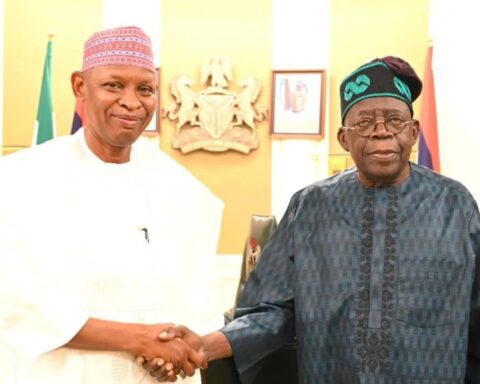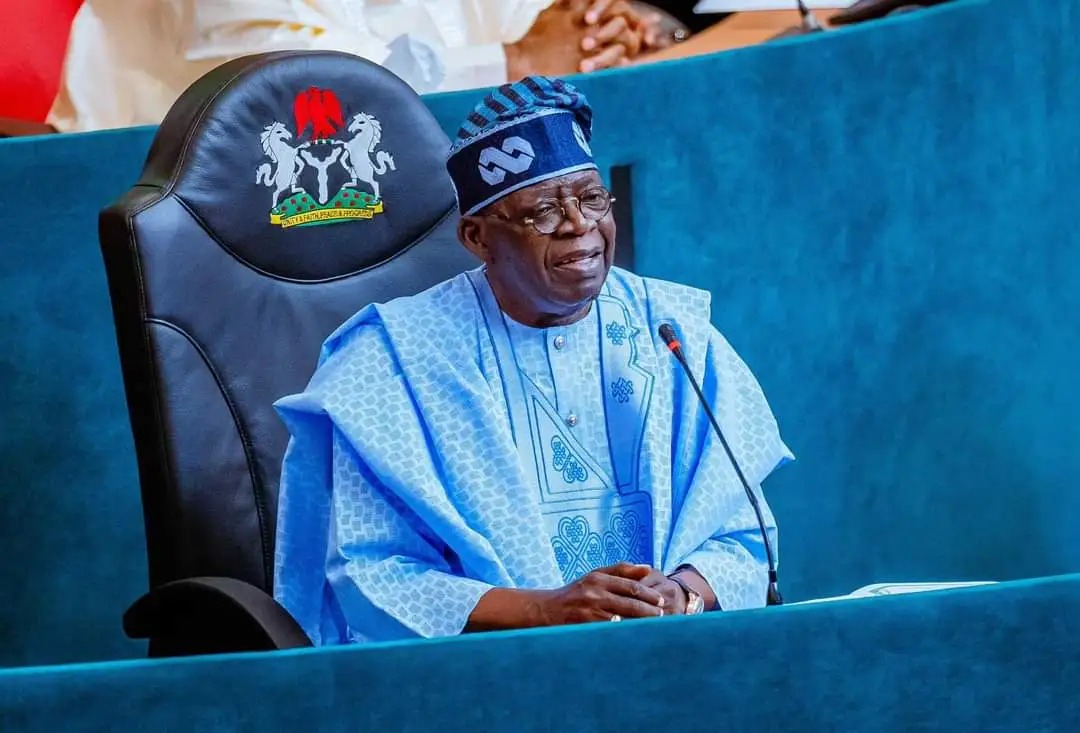
President Bola Ahmed Tinubu on Tuesday urged the Senate to consider and approve adjustments totalling about N9 trillion to the 2026 Appropriation Bill, a move aimed at regularising outstanding capital obligations and funding critical national projects across the country.
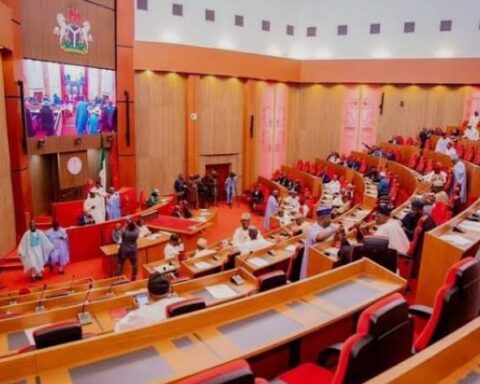
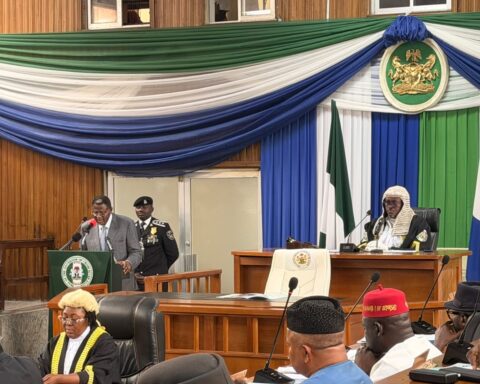
The request was formally conveyed to the upper chamber and read on the floor by the President of the Senate, Godswill Akpabio, who explained that the proposed adjustments form part of a comprehensive fiscal plan designed to consolidate legacy debts from previous budget cycles while aligning government spending with current economic realities and national priorities.
According to Akpabio, the proposed adjustment is primarily intended to address outstanding capital commitments that were carried forward from previous appropriation cycles but were not fully funded or implemented. He noted that the move is necessary to ensure that the 2026 fiscal programme is not weighed down by unresolved financial obligations from previous years.
The Senate President quoted from the President’s communication, stating that the first objective of the adjustment is to “regularise identified outstanding legacy capital commitments carried forward from previous appropriation cycles to ensure that the 2026 fiscal programme is not unduly burdened by unresolved obligations from previous years.”
The proposed N9 trillion adjustment is also expected to provide funding for ongoing critical infrastructure projects, including major road networks, rail development, power projects, healthcare facilities, and education infrastructure across the country. Government officials say many of these projects are at advanced stages and require additional funding to ensure timely completion and prevent cost escalation.
The adjustment request highlights the administration’s plan to restructure government spending in a way that prioritises capital expenditure, particularly projects that have direct impact on economic growth, job creation, and national development. By clearing outstanding obligations and completing ongoing projects, the government hopes to improve infrastructure, stimulate economic activities, and boost investor confidence.
Economic analysts say the move to consolidate legacy capital commitments into the 2026 budget reflects a broader effort by the Tinubu administration to clean up public finance records and improve budget implementation. Over the years, Nigeria’s budgets have often been burdened by rolled-over projects and unpaid obligations, leading to project delays, abandoned sites, and increased project costs.
Lawmakers are expected to debate the request in the coming days, with some senators already indicating that while the adjustment may be necessary, the National Assembly will carefully scrutinise the proposal to ensure transparency, accountability, and proper allocation of funds.
Some senators stressed that while clearing legacy debts is important, there is also a need to ensure that new projects included in the budget are realistic, properly costed, and aligned with national development priorities. They also called for improved monitoring of capital projects to ensure that funds released are properly utilised.
Financial experts note that if approved, the N9 trillion adjustment would significantly increase the size of the 2026 budget, reflecting the government’s ambitious infrastructure and development agenda. However, they also warned that the government must ensure that the additional spending does not worsen the country’s debt profile or fuel inflation.
The Senate leadership assured that the National Assembly would work closely with the executive arm of government to ensure that the budget adjustment serves the national interest and supports economic stability. Akpabio said the Senate remains committed to passing a budget that supports development, improves infrastructure, and enhances the welfare of Nigerians.
The President’s request comes at a time when the government is pushing forward with economic reforms aimed at increasing revenue, improving tax collection, boosting local production, and attracting foreign investment. Officials say the budget adjustment is part of a broader strategy to reposition the economy and address long-standing infrastructure deficits.
If approved by the National Assembly, the adjustment is expected to accelerate the completion of several ongoing projects and ensure that inherited financial obligations do not continue to slow down new development plans.
As deliberations begin in the Senate, the proposal is likely to generate intense debate among lawmakers, economists, and the public, particularly regarding how the additional funds will be sourced and how the government plans to ensure accountability in the use of the funds.
For now, the Senate has begun consideration of the President’s request, marking the beginning of what could be one of the most significant budget adjustment debates in recent years, with far-reaching implications for Nigeria’s fiscal stability, infrastructure development, and overall economic growth.