By Stephanie Shaakaa
Palm Sunday is not just a story from the past. It is the moment we see hope and misunderstanding walking side by side.
Palm Sunday is not just a date on the Christian calendar. It is a scene. A tension. A beginning that already carries its ending inside it.
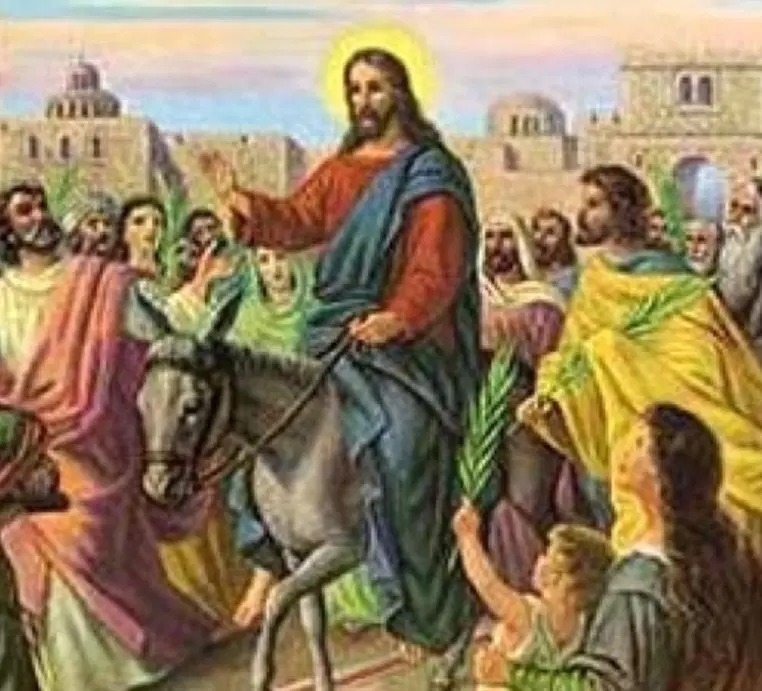
It is the day Jesus Christ rode into Jerusalem, not on a war horse like kings did, but on a donkey. Quiet. Deliberate. Almost unsettling in how simple it was.
Because kings who come to conquer do not come like that.
Horses were the symbols of war, power, and conquest in that time. Kings who came riding horses came to fight, to conquer, to show their strength. A horse announced force. It said, “I am here to dominate.”
A donkey, on the other hand, carried the exact opposite message. Donkeys were humble, common, and peaceful. They were the everyday working animals, not instruments of battle. By choosing a donkey, Jesus Christ was sending a quiet but unmistakable signal. His kingdom would not be built on violence, intimidation, or political power. He was coming as a servant king, a bringer of peace, not a military ruler.
It fulfilled prophecy too. Zechariah 9:9 says:
“Rejoice greatly, Daughter of Zion! Shout, Daughter of Jerusalem! See, your king comes to you, righteous and victorious, lowly and riding on a donkey, on a colt, the foal of a donkey.
The crowd got it half right.
The people were not confused about one thing. They knew something was happening.
They tore palm branches from trees and laid them on the road. They spread their clothes on the ground. It looked like a red carpet, but it was more than that. It was submission. It was recognition. It was hope.
They shouted:
Hosanna
And that word did not start as praise. It meant save us now.
That is the first truth about Palm Sunday.
It is not just celebration. It is desperation dressed as praise.
They were welcoming a savior. But at the same time, they were placing a demand.
In that time, palm branches were not just decoration. They carried meaning. They were cultural. They were political. Almost rebellious.
Palms stood for victory. For liberation. For a people who were tired of being under pressure. Waving them was like saying, we believe you are the one who will change everything.
But this is where it gets complicated.
They were right about who He was.
They were wrong about how He would do it.
Everything about that entry challenged what they expected.
A donkey instead of a horse.
Peace instead of force.
Silence instead of spectacle.
But gentle was not what people wanted.
They wanted immediate change. Immediate relief. Immediate victory.
And if we are honest, we still do.
This is the part that makes Palm Sunday uncomfortable.
The same voices that shouted Hosanna would, within days, shout crucify Him.
Nothing dramatic happened in between. No betrayal from Him. No failure.
Just expectations that were not met.
He did not overthrow the system.
He did not become the kind of king they had in mind.
He did not solve things the way they wanted, when they wanted.
So admiration slowly turned into rejection.
Palm Sunday becomes a mirror if you sit with it long enough.
It opens what Christians call Holy Week. It leads to the crucifixion and then to Easter.
But that is not all it is.
It is not just the beginning of events.
It is the unveiling of hearts.
It shows how quickly devotion can turn into disappointment.
How easily faith can become transactional.
How long will I follow you if you do not do what I expect
That question sits quietly inside Palm Sunday.
There is something else people often miss.
Jesus Christ knew exactly what was waiting for Him in that city.
He was not entering celebration.
He was entering suffering.
And still, He went.
No drama. No resistance. No turning back.
That kind of courage does not make noise. It just keeps moving.
Palm Sunday is not stuck in the past.
It speaks to now, especially in places where people are tired, where hope feels thin, where expectations have been broken too many times.
What kind of help are we really looking for
Do we want transformation, or just relief
Can we recognize truth when it does not come the way we imagined
Because sometimes, what saves us does not look like what we prayed for.
Palm Sunday is beautiful, but it is not soft.
It is a celebration wrapped around a warning.
It reminds us that it is possible to be close to something sacred and still misunderstand it.
It reminds us that noise is not the same as conviction.
And more than anything, it reminds us that real change rarely comes the way crowds expect it to.
Palm Sunday reminds us that what we hope for and what we need are not always the same and real change never arrives on our schedule.